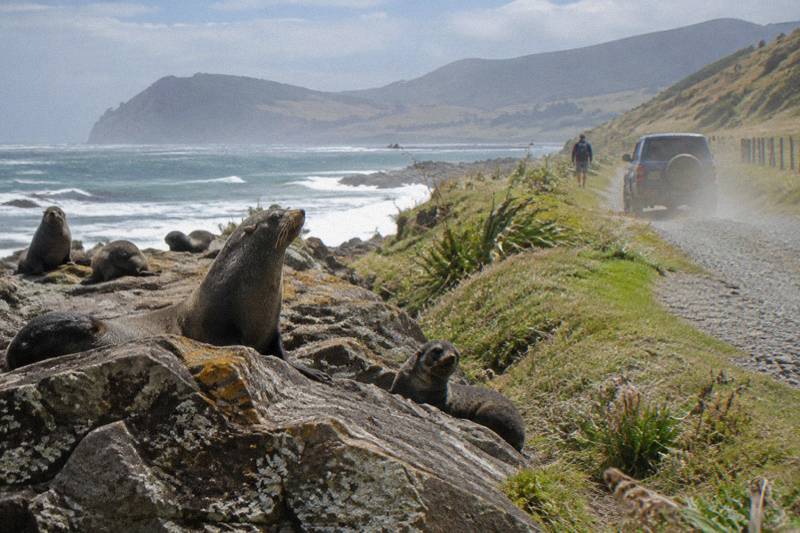
New Zealand Fur Seal Tours On The Wellington South Coast
The New Zealand fur seal, known to Maori as the kekeno, is the seal you are most likely to meet around Wellington, and five of the twelve tours on this site name seals in their itinerary. Here is what the kekeno is, which tours go looking for it, and how close you are allowed to get.
Short answer
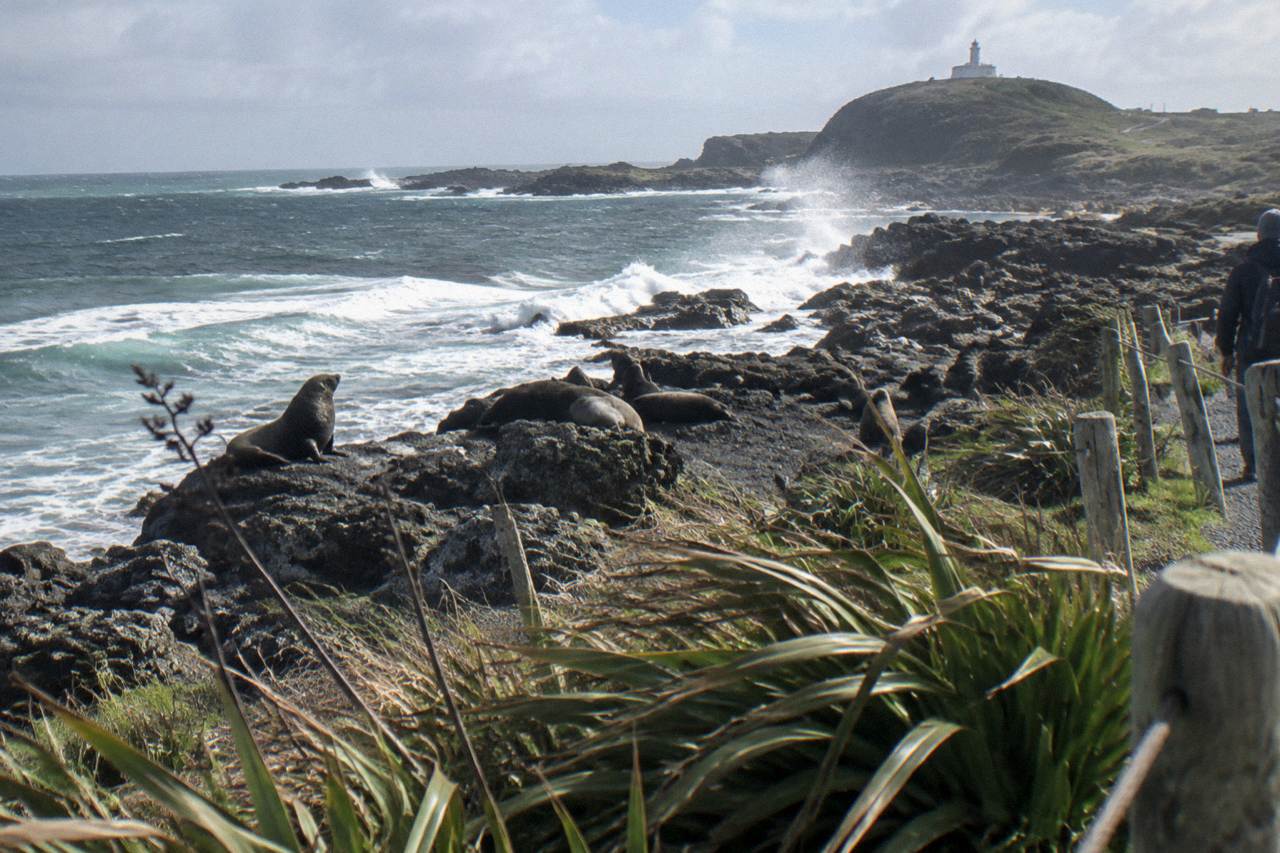
The New Zealand fur seal, or kekeno, is the most common seal in New Zealand and its population is growing, with a DOC 2026 modelled estimate of 208,536 to 251,644 animals. Five of twelve Wellington tours on this site name seals: two Seal Coast Safari trips, two Cape Palliser day trips, and one private sightseeing tour.
The kekeno, the New Zealand fur seal, hauls out along the Wellington south coast and on the wild shoreline of the Palliser Bay coast to the east, and it is the animal behind most of what this site covers. It is a genuine wildlife story, not a theme-park one. DOC's 2026 nationwide modelled estimate puts the population at 208,536 to 251,644 animals and describes it as growing, and a preliminary direct count at Cape Palliser found at least 1,000 pups in the 2025/26 breeding season, a figure DOC itself asks to be treated with caution. The numbers are moving in the seal's favour. For anyone unsure what these furry seals are actually called, the guide to kekeno names and Wellington seal tours explains the terms and where the animal's name shows up on tour itineraries.
Twelve tours are listed on this site, spread across five categories, and five of those twelve name seals in what the operator promises: the two Seal Coast Safari trips, the two Cape Palliser day trips, and one private sightseeing tour with a Red Rocks stop. The other seven make no seal claim at all, which matters if the kekeno is the reason you are booking. This guide separates the two groups, explains the animal itself, and sets out the rules that govern how close any tour or walker may go.
What Is A New Zealand Fur Seal?
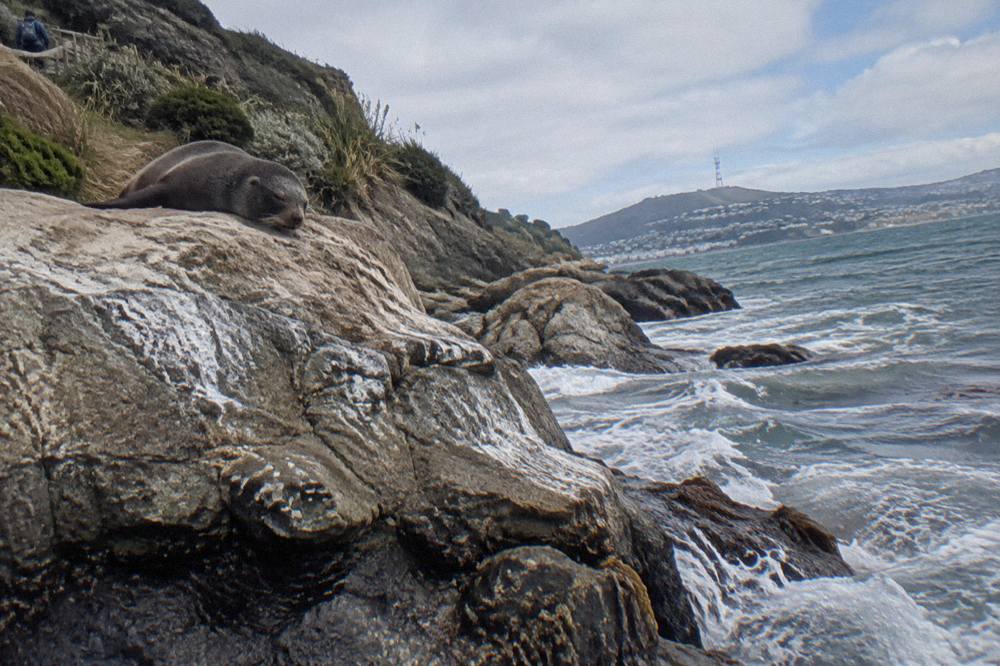
The New Zealand fur seal, or kekeno in te reo Maori, is the most common seal species in New Zealand, and DOC describes its population as growing, with a 2026 modelled nationwide estimate of 208,536 to 251,644 animals. Adult males are called bulls, females are cows, a breeding group is a harem, and immature males are known as sub-adult males or bachelors. To find the best spots for watching kekeno in the wild, the guide to seeing seals in New Zealand explains where Wellington tours go and how close you can safely get.
The vocabulary matters more than you might expect on a tour: in DOC's terms a breeding group is a harem, adult males are bulls, females are cows, and immature males are sub-adult males or bachelors.
The kekeno's recovery is one of New Zealand's quieter conservation successes. Seals, whales and dolphins are protected under the Marine Mammals Protection Act 1978, and harassing or disturbing a seal is an offence carrying a maximum penalty of two years in prison or a fine up to $250,000, as the Department of Conservation sets out in its rules around seals. That protection, held over decades, is a large part of why the numbers keep climbing. A good companion read is the site's overview of Wellington seal tours compared.
Which Wellington Tours Actually Name Seals?
Five of the twelve tours on this site name seals: the Exclusive Access Seal Coast Safari ($111.80 per person, 4.9 across 371 reviews), the Wanderlust Half Day Seal Safari ($110 per person, 4.9 across 342 reviews), two Cape Palliser day trips from $219 and $359.48, and the Private Full Day sightseeing tour from $206.40, which includes a Red Rocks stop. The other seven make no seal claim.
That split is the single most useful filter when you are choosing. The two Seal Coast Safari products are the same operator on two platforms, so they count once as a product family; both are 4WD trips of 3 hours 30 minutes with Wellington pickup, rated 4.9, one across 371 reviews and one across 342. The Cape Palliser pair are full-day trips with a seal colony stop at Ngawi plus the lighthouse. The private sightseeing tour names Red Rocks, where the operator says seals may be seen in their natural environment.
| Tour | Category | From (USD) | Duration | Seals named | Rating and reviews |
|---|---|---|---|---|---|
| Exclusive Access Seal Coast Safari | seal coast safari | $111.80 per person | 3 hours 30 minutes | yes | 4.9 across 371 reviews |
| Wanderlust Half Day Seal Safari | seal coast safari | $110.00 per person | 3 hours 30 minutes | yes | 4.9 across 342 reviews |
| Martinborough Winery, 10-Hour Day Trip | Cape Palliser day trips | $219.00 per person | 10 hours | yes | 4.8 across 24 reviews |
| Scenic Full Day, Meal Included | Cape Palliser day trips | $359.48 per person | Not stated | yes | 5.0 across 28 reviews |
| Private Full Day, Meal Included | south coast sightseeing | $206.40 per person | 7 hours | yes | 4.8 across 82 reviews |
The remaining seven, all excellent at what they do, simply do not sell seals. Three are Zealandia wildlife tours inside the Karori sanctuary, three start on the Kapiti Coast at Paraparaumu Beach or Waikanae, and one is the City to Coast sightseeing lunch tour. If the kekeno is your target, start with the five that say so.
The private full-day option is the quiet alternative in that table. It is a 7-hour private trip from $206.40 per person with lunch included, rated 4.8 across 82 reviews, and it pairs city sights like Mount Victoria and the Cable Car with a Red Rocks stop where the itinerary names seals in their natural environment. For a traveller who wants the seal experience folded into a wider day rather than as the headline, it earns its place.
Where Does The Seal Coast Safari Look For Fur Seals?
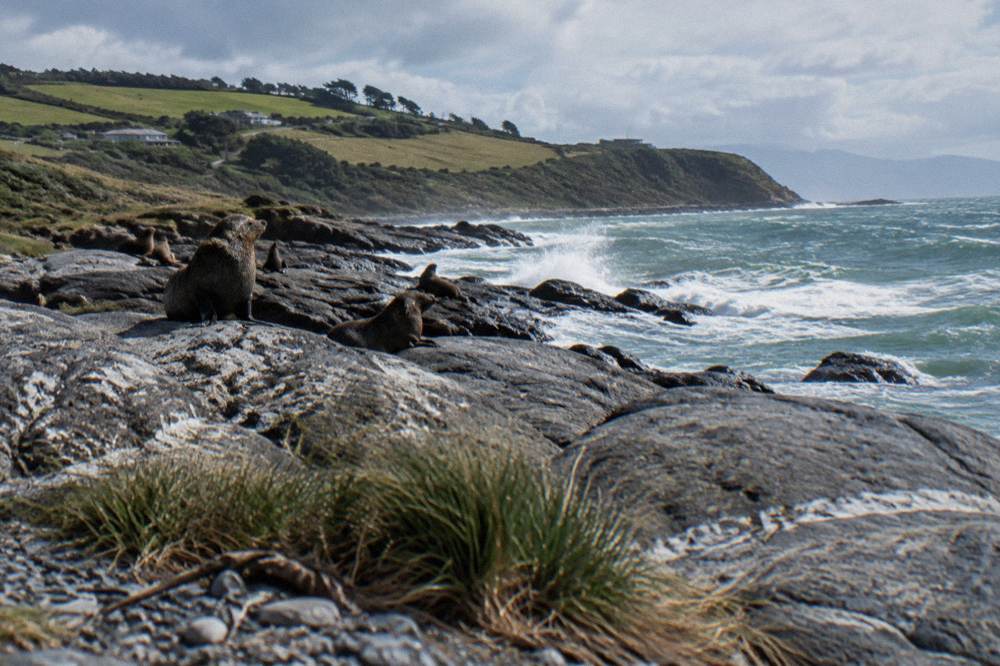
The Seal Coast Safari route runs from Wellington to Cape Terawhiti across Terawhiti Station, private farmland on the south coast, with a stop at Otari-Wilton's Bush on the way. The itinerary names seals. It does not go to Red Rocks or Sinclair Head, which are further east and reached by a separate self-guided council walk from Owhiro Bay.
This distinction trips up a lot of visitors, because the two experiences are often conflated in search results. The featured Exclusive Access Seal Coast Safari collects you from your Wellington hotel or cruise ship and drives out in a 4WD Mercedes, with a group maximum of 10, over private farmland that is closed to the general public. That exclusive access is the product: a working station road across wild country to a coastline most visitors never see. The operator does not promise a sighting, and no tour on this site does; the itinerary names seals, and that is the honest extent of the claim.
Two booking pages sell essentially this trip. The featured Exclusive Access tour is $111.80 per person, 4.9 across 371 reviews, with hotel or cruise ship pickup. The Wanderlust Half Day Seal Safari, the same product family from Wellington central pickup or the cruise terminal, is $110 per person and 4.9 across 342 reviews. Their weather wording differs, so read the terms before you choose: the featured tour says the experience requires good weather and a poor-weather cancellation brings a different date or a full refund, while the Wanderlust trip says the safari runs in all weather, routes may change, and a confirmed booking can be moved to another day at no charge with at least 24 hours notice. Both carry a full refund if cancelled at least 24 hours before the start, in the operator's own wording. The booking page also notes the trip is not recommended for travellers with back, neck or heart conditions or who are pregnant, and that it is not wheelchair accessible.
The Wanderlust twin suits a budget-conscious or cruise-tight schedule, since the headline prices are within reach of each other but the meeting points and weather terms are not.
For the full picture of the route, stops and pickup details, see the site's deep dive into the Seal Coast Safari route and stops.
How Close Can You Get To Fur Seals On A Tour?
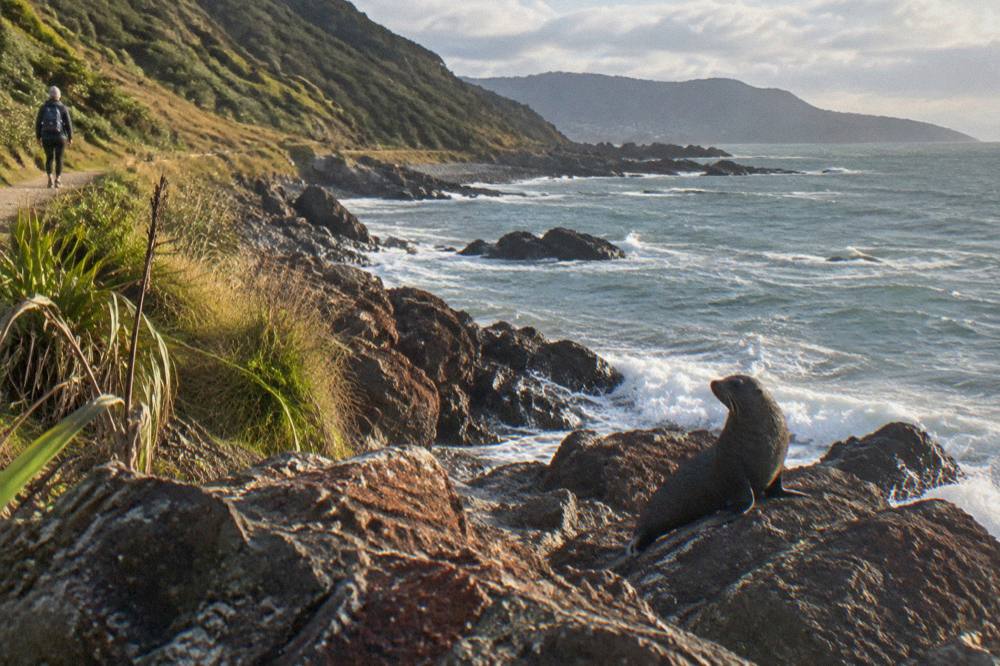
DOC's rule is at least 20 m from seals onshore where you can, never coming between a fur seal and the sea, and vehicles no closer than 50 m to a marine mammal where you can. At sea the rule is at least 20 m for vessels and 5 m for swimmers. Never touch a seal: they can be aggressive and carry disease.
These distances come from the Department of Conservation, not from any tour operator, and they apply to everyone, guided or independent. A tour vehicle stopping on a station track keeps its distance by design, because the drivers work this coast daily and the rules are the rules. Dogs must be on a leash and well away from seals, children should be kept back, and loud noise is out. Pups can be abandoned if disturbed, so the 20 m rule is a welfare measure, not an arbitrary one. The rest of the planning pages sit on Wellington Seal Safari.
| Situation | DOC minimum distance | Key condition |
|---|---|---|
| Onshore, on foot | 20 m where you can | never between a seal and the sea |
| Vehicle near a marine mammal | 50 m where you can | applies on beaches and coastal tracks |
| Vessel at sea | 20 m from the water's edge | where seals may be present |
| Swimmer in the water | 5 m | never attempt contact |
| Drones near marine mammals | DOC authorisation required | applies before any flight |
Taputeranga Marine Reserve, established in 2008, covers 855 hectares of the south coast about 6 km from the city centre, and DOC's guidance there is explicit: no feeding seals, no selfies with them, dogs on a lead, and respect for the reserve's no-fishing rule. The south coast is windy and the weather changes quickly, so the same DOC pages that set the distances also warn about changeable conditions and strong currents. If you want the fuller version of this topic, the site answers it directly in how close you can get to seals, and there is practical advice on what to bring in what to wear on a Wellington seal safari.
A fair question is what backs these rules up. The answer is the Marine Mammals Protection Act 1978, under which disturbing a seal is an offence with penalties that reach as far as prison, so the 20 m line is not a courtesy. A tour driver holding a vehicle well back is keeping you on the right side of that law as much as protecting the animals. If you spot a seal that looks harassed, injured, or entangled, call the DOC hotline on 0800 DOC HOT, 0800 362 468.
The drone row in the table is the one people most often miss. DOC authorisation is required before any flight near a marine mammal, so even a quick launch from a south coast lookout needs it in place first. The same caution applies to the water: the 5 m swimmer rule sets how close you may go, not whether going in is wise that day, because the same DOC pages warn of strong currents and weather that changes quickly on this coast.
None of this means the coast is short of seals. The kekeno, the New Zealand fur seal this whole coastline is about, has a DOC 2026 modelled nationwide estimate of 208,536 to 251,644 animals with the population growing, and the preliminary Cape Palliser count of at least 1,000 pups in the 2025/26 breeding season, which DOC asks be treated with caution, points the same way. Note that the two figures are different kinds of measurement, a modelled estimate for the country and a direct count at one colony. More animals on the coast raises the odds you will share a beach with one, which is exactly why the distances, the dog rules, and the drone rules are worth having straight before you leave the car.
What Do Fur Seal Tours From Wellington Cost?
Seal-naming tours run from $110 per person for the half-day Wanderlust Seal Coast Safari to $359.48 per person for the private Cape Palliser Scenic Full Day trip, with the featured Seal Coast Safari at $111.80, the Martinborough day trip at $219, and the private sightseeing tour at $206.40. The two private tours price per person with the group basis not stated.
Duration is the honest differentiator, not comfort. For $110 per person you get 3 hours 30 minutes on the coast. For $219 you get a 10-hour day that adds Kaitoke Regional Park, Martinborough wine country, the Ngawi seal colony and the Cape Palliser Lighthouse, with a tapas or vineyard lunch and dinner at Lake Ferry Hotel included. For $359.48 you get a private full day with lunch. Figure out how much of your Wellington stay you want to spend in a vehicle before comparing headline prices.
| Tour | From (USD) | Duration | Meal | Pickup |
|---|---|---|---|---|
| Wanderlust Half Day Seal Safari | $110.00 per person | 3 hours 30 minutes | light refreshments | Wellington central or cruise terminal |
| Exclusive Access Seal Coast Safari | $111.80 per person | 3 hours 30 minutes | Not stated | Wellington hotel or cruise ship |
| Private Full Day, Meal Included | $206.40 per person | 7 hours | lunch | Wellington hotel or port |
| Martinborough Winery, 10-Hour Day Trip | $219.00 per person | 10 hours | tapas or vineyard lunch, dinner | Wellington hotel |
| Scenic Full Day, Meal Included | $359.48 per person | Not stated | lunch | Wellington hotel or port |
Every one of these five carries a full refund if cancelled at least 24 hours before the start, each in its own wording. Weather terms vary by tour, as covered above, and the Cape Palliser trips raise one extra planning point: check the South Wairarapa District Council road alerts before driving that coast, because road conditions there change. The site's price guide compares the full ladder of Wellington seal safari prices in more detail.
Can You See Fur Seals At Red Rocks Without A Tour?
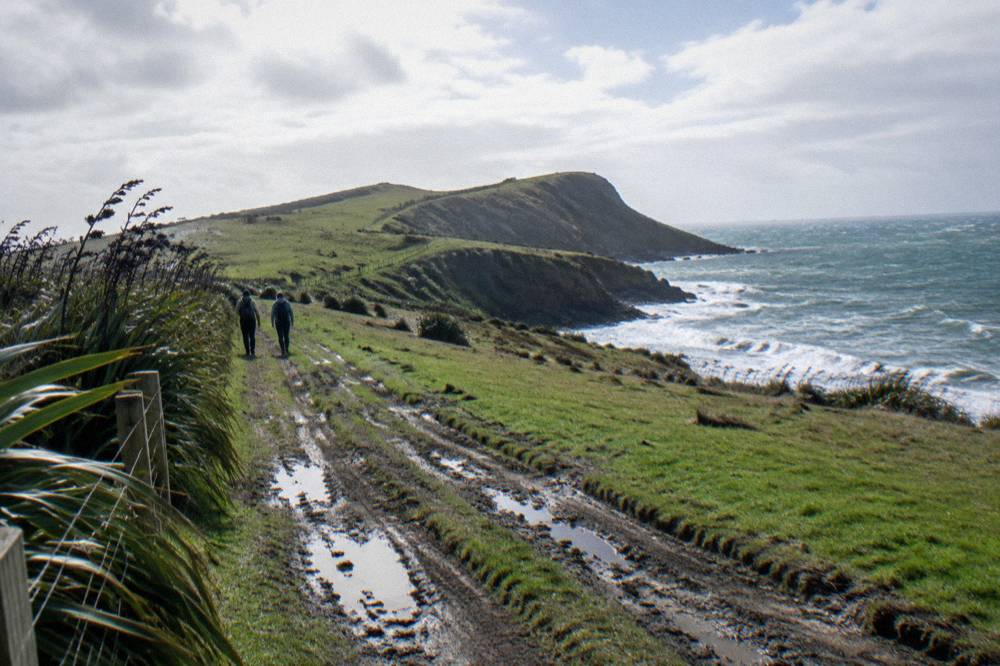
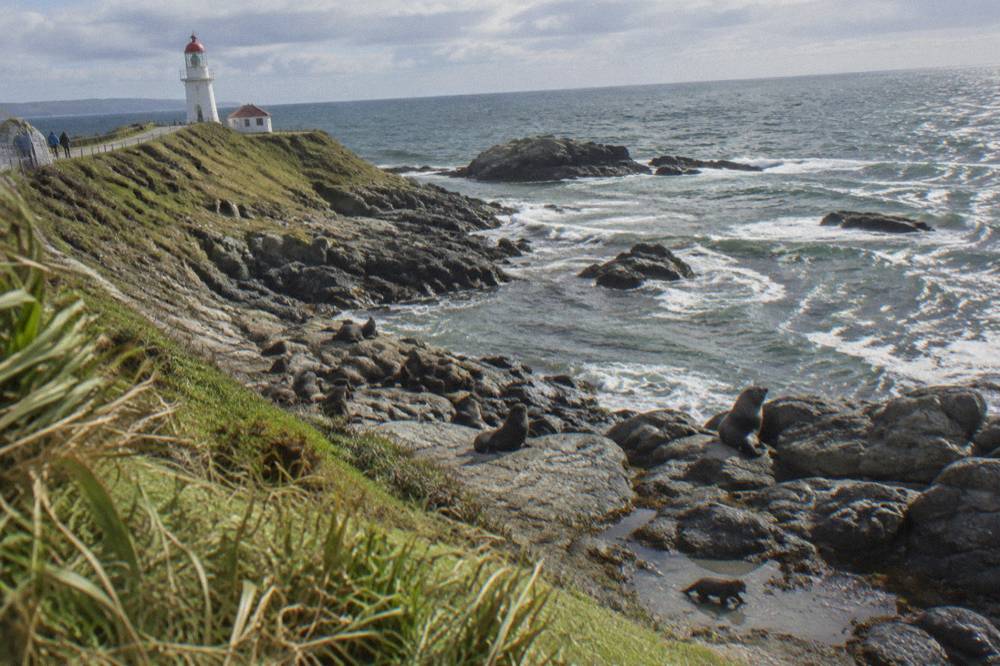
Yes, in principle: the Pariwhero Red Rocks Coastal Walk is a free, self-guided 7.4 km council track from the car park at the end of Owhiro Bay, taking 2 to 3 hours return, and Wellington City Council says you can meet the kekeno in winter just beyond Pariwhero at Te Rimurapa. No tour is needed, but the route is unsealed, uneven, and unsuitable for 2WD vehicles.
The council's own track page describes the walk: an easy, flat track past early-1900s baches to Devil's Gate at Te Rimurapa, published at Wellington City Council's Pariwhero Red Rocks walk guide. The red rocks themselves are ancient volcanic pillow lava set in greywacke, protected since the Red Rocks Scientific Reserve was created in 1972. The vehicle gate is closed to vehicles on Sundays, though walkers and mountain bikers can pass, and dogs must stay on leads and 20 m from wildlife.
Going self-guided trades convenience for cost. You need your own transport to Owhiro Bay, a 4WD, bike or your own two feet on the unsealed section, and a realistic read of the weather. For a direct comparison, see Red Rocks walk versus seal safari, and for timing, what time of year seals are at Red Rocks. The council pages publish no seal count or month range for Red Rocks and make no sighting guarantee. Winter is when the council says you can meet the kekeno there, and the safari booking pages do not mention a season. If you're weighing a colder-month visit, the guide to seeing seals in Wellington in winter covers which operators actually name the kekeno and how stormy weather can shape a day on the south coast.
What About The Tours That Do Not Name Seals?
Seven of the twelve tours on this site make no seal claim: three Zealandia wildlife tours in Karori from $40.13 to $68.80, two Kapiti Island tours starting from Paraparaumu Beach, the Ngā Manu Kiwi Night Encounter in Waikanae, and the City to Coast lunch tour. They are wildlife and scenery products in their own right, and none should be booked with an expectation of seals.
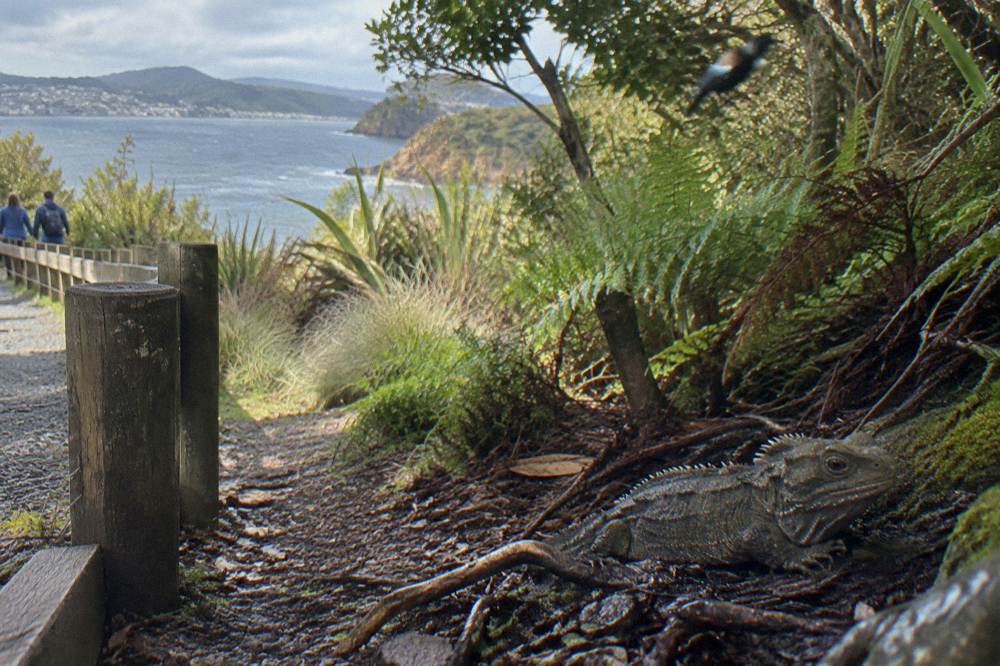
Zealandia is the capital's fenced sanctuary, open every day except Christmas Day from 9:00 am to 5:00 pm with last entry at 4:00 pm, with more than 40 native bird species recorded, 24 of them endemic, plus tuatara and Hamilton's frog. The Daytime Eco Tour is the cheapest tour on this site at $40.13 per person, 2 hours, 4.8 across 247 reviews, starting at the Zealandia Visitor Centre in Karori, with no hotel pickup. The Twilight tour ($63.07, minimum age 5) and the Night tour ($68.80, minimum age 12) run 2 hours 30 minutes each; the night one is a guided night walk in the sanctuary, not a seal trip. For the comparison that matters here, see Zealandia tour or seal safari.
Kapiti Island, reached only with approved tour operators per DOC, is home to kaka, kokako, takahe and hihi. Both Kapiti tours start on the Kapiti Coast, not in Wellington: the Classic Day Tour from $186.34 per person, 5 hours, lunch at The Lodge included, 4.8 across 576 reviews, and the overnight stay from $400.76 per person for 2 days, 4.9 across 484 reviews. The day tour is the most reviewed trip on this entire site, which tells you how beloved the island is, seals simply are not part of its story. The details are in the site's Kapiti Island tours from Wellington guide.
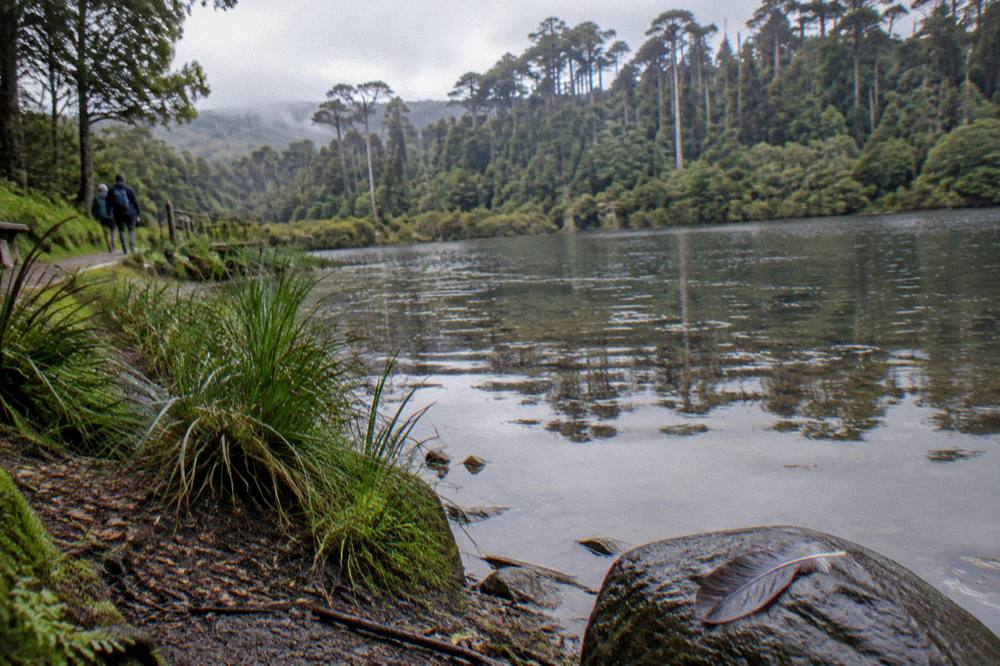
If the kekeno is the reason you are travelling, the practical summary is short. Book one of the five seal-naming tours, respect the DOC distances whichever one you take, and let the seven others earn their place on your itinerary for different reasons entirely. Wellington Seal Safari exists to keep these distinctions honest, because a seal trip and a sanctuary walk are both good days out, but they are not the same day out.
Common Questions About New Zealand Fur Seal Tours
What Is A New Zealand Fur Seal?
The kekeno is the most common seal in New Zealand and its population is growing, with DOC's 2026 modelled nationwide estimate at 208,536 to 251,644 animals. Adult males are bulls, females are cows, a breeding group is a harem, and immature males are sub-adult males or bachelors.
Which Wellington Tours See New Zealand Fur Seals?
Five of the twelve tours on this site name seals: both Seal Coast Safari trips ($110 and $111.80 per person), the two Cape Palliser day trips ($219 and $359.48 per person), and the private full-day sightseeing tour with its Red Rocks stop ($206.40 per person). No tour promises a sighting.
Where Does The Seal Coast Safari Look For Seals?
The route runs to Cape Terawhiti across Terawhiti Station, private farmland, with a stop at Otari-Wilton's Bush. It does not visit Red Rocks or Sinclair Head, which are reached by a separate self-guided council walk from Owhiro Bay.
How Close Can You Get To A Fur Seal?
DOC's rules say at least 20 m onshore where you can, 50 m for vehicles where you can, 20 m for vessels and 5 m for swimmers. Never touch a seal, never come between a seal and the sea, and never feed one.
Can You See Fur Seals At Red Rocks For Free?
Yes, in principle. The Pariwhero Red Rocks Coastal Walk is a free 7.4 km, 2 to 3 hour return council track from Owhiro Bay, and the council says you can meet the kekeno in winter just beyond Pariwhero at Te Rimurapa. The unsealed route is unsuitable for 2WD vehicles and the gate is closed to vehicles on Sundays.
Are Fur Seals Protected In New Zealand?
Yes. Seals, whales and dolphins are protected under the Marine Mammals Protection Act 1978, and harassing or disturbing a seal carries a maximum penalty of two years in prison or a fine up to $250,000. Report harassed, injured or entangled seals to 0800 DOC HOT.