What Are Furry Seals Called In Wellington?
Furry seals in New Zealand are kekeno, the New Zealand fur seal. This guide explains the names, the numbers and which Wellington tours name seals on their itinerary.
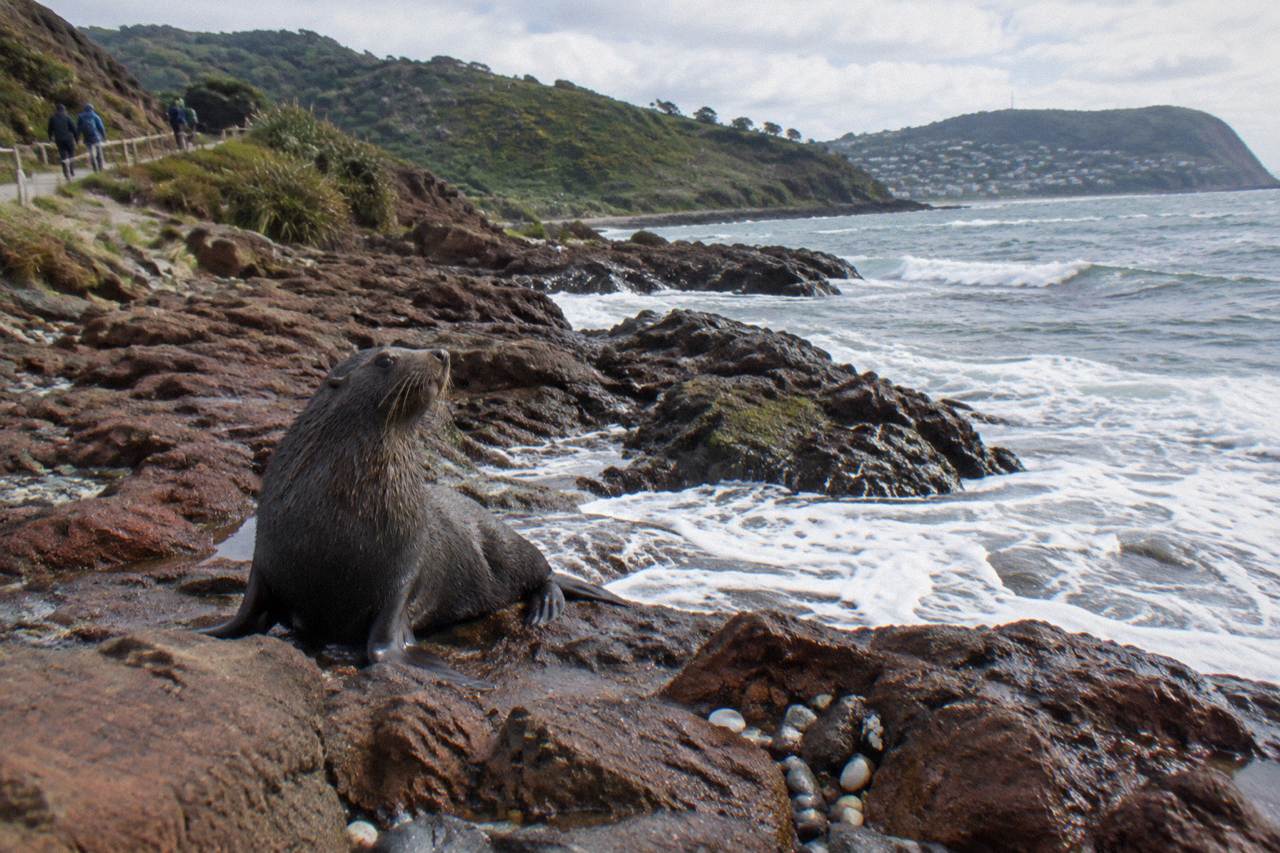
The furry seals hauled out along the Wellington south coast have a proper name, and it is not "furry seal". They are kekeno, the New Zealand fur seal, the most common seal species in the country and one whose population is growing. The Department of Conservation's 2026 nationwide modelled estimate puts them at 208,536 to 251,644 animals, and a preliminary direct count at Cape Palliser found at least 1,000 pups there in the 2025/26 breeding season. Knowing the names, the numbers and the rules around these animals is genuinely useful when you are deciding whether a seal safari is worth your travel day. If you would like to see the kekeno for yourself, the guide to the best seal watching spots in New Zealand explains where the tours go and how close you are allowed to get.
What Are Furry Seals Called?
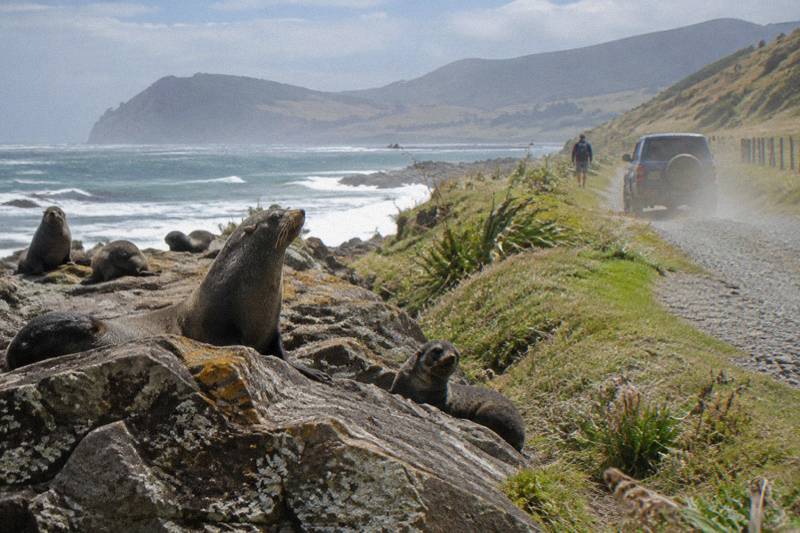
The furry seals of New Zealand are called kekeno, the New Zealand fur seal, Arctocephalus forsteri in scientific naming. Kekeno is the te reo Māori name the Department of Conservation uses for the species. They are the most common seals in New Zealand waters, and their population is growing, which is why they turn up in growing numbers around Wellington's south coast and at Cape Palliser.
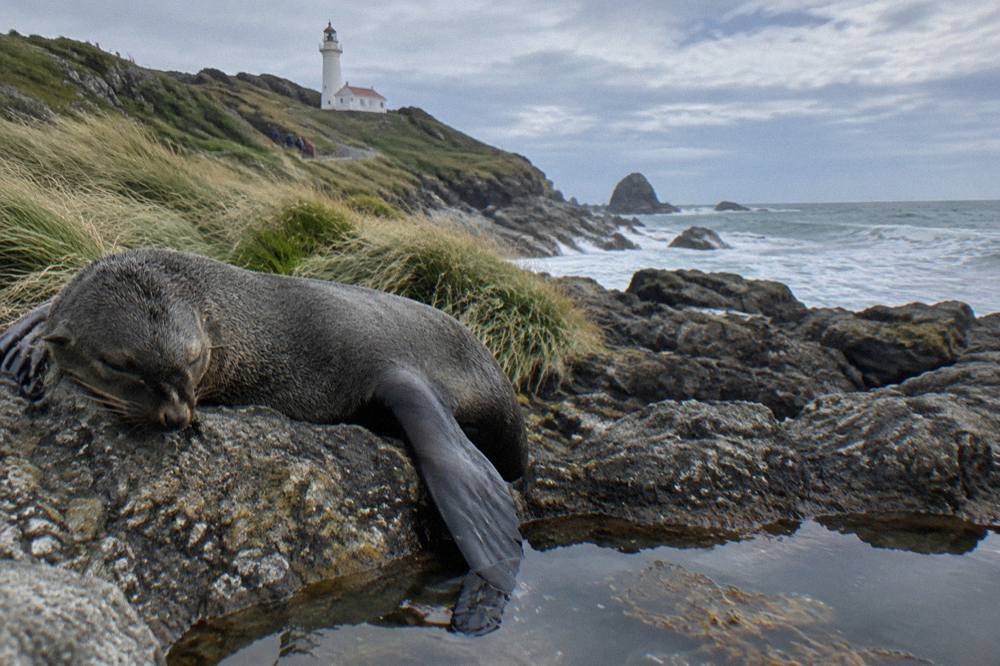
Kekeno are eared seals: they have visible external ear flaps, a dense double coat of fur, and long whiskers that give them the shaggy, "furry" look people notice first.
The naming matters for a second reason: "fur seal" is sometimes used loosely for sea lions, and the two animals behave differently. New Zealand sea lions are rarer, bulkier and found mostly further south, while kekeno are the ones breeding at Cape Palliser. When a Wellington tour itinerary names seals, it is kekeno being named.
If you are weighing up where to actually see them, the two dedicated safari products are the obvious starting point, with a private sightseeing day as a broader alternative.
The featured option, the Exclusive Access Seal Coast Safari, is the most reviewed seal tour on this site: 4.9 across 371 reviews, from $111.80 per person, 3 hours 30 minutes, with pickup from your Wellington hotel or the cruise ship terminal. Its 4WD Mercedes itinerary runs Otari-Wilton's Bush, then Terawhiti Station private farmland, then Cape Terawhiti. A fuller comparison of options sits in the Wellington seal safari tours compared guide.
What Is A Harem, And What Are Bulls, Cows And Bachelors?
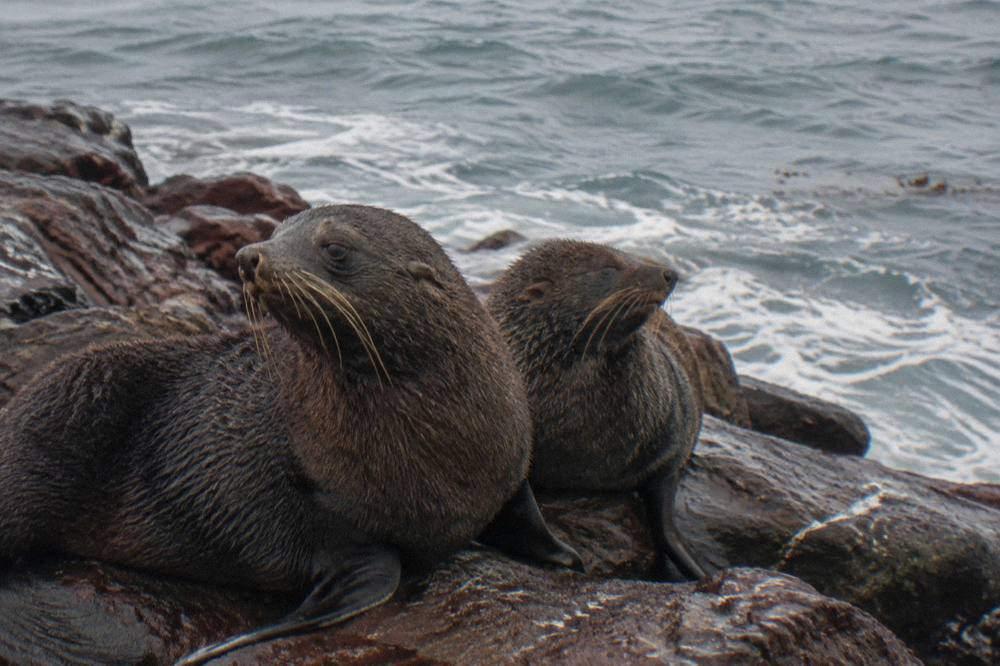
Adult male kekeno are bulls, adult females are cows, and immature males are called sub-adult males or bachelors. A breeding group, one bull with a group of cows, is called a harem. Babies are pups. The Department of Conservation uses these terms across its kekeno information, and they map neatly onto what you see from a headland: one massive bull, a cluster of smaller cows, and lone bachelors parked at the edges.
The size differences are the field guide. Bulls are much larger than cows, with a heavy muzzle and a mane of coarser guard hair around the neck, which is why they read as "shaggier" at a distance. Cows are sleeker, lighter through the shoulders, and for much of the year are the ones lying beside pups. Bachelors are the solitary animals you most often find alone on a rock shelf, and they are frequently the individuals that turn up in unexpected spots along the Wellington coast, well away from the main breeding areas.
Here is the vocabulary in one place, so a shoreline scene starts reading like a field guide rather than a wall of brown animals.
| Term | What it means | How to spot it on the coast |
|---|---|---|
| Kekeno | The te reo Māori name for the New Zealand fur seal, used by DOC | Applies to every fur seal you see around Wellington |
| Bull | Adult male | Much larger, heavy muzzle, thick neck mane, usually central to the group |
| Cow | Adult female | Smaller and sleeker, often beside a pup |
| Pup | A baby fur seal | Born small and dark, stays close to its mother |
| Harem | A breeding group, one bull with his cows | The classic cluster layout at a colony |
| Sub-adult male, or bachelor | An immature male | Usually alone, at the margins of the colony |
For readers deciding between seeing these animals on a guided trip versus walking a coastal track on their own, the Red Rocks walk versus seal safari guide breaks down that trade-off in detail, including the 7.4 km, 2 to 3 hour return council walk from Owhiro Bay.
A practical way to read a colony is to work from the centre outwards. The biggest animal in the cluster is almost always the bull, and his bulk does most of the identifying for you. Once you have found him, the sleeker, smaller animals packed tightest around him are his cows. Work outwards from there. Any small, dark animal keeping close to one of them is a pup, and that dark, close-hugging profile usually gives a pup away before anything else does. Only once you have read the centre and the cows should you let your eyes travel to the margins, because the edges belong to the bachelors: single animals, spaced well apart, often on rock shelves the main group has no use for. If the scene has no obvious giant at its heart, the simplest reading is that no bull is present, or that you are looking at a bachelor on his own, rather than a harem you have misread.
Distance changes which features you can use. Up close, the heavy muzzle and the neck mane do the work, but from a headland the reliable signals are relative size and position, which is why the centre-outwards method beats any single feature. On a hazy day, or when animals are lying in a hollow, even a big bull can hide his bulk, so give the group a few minutes: any movement, a lifted head, a shift in posture, can confirm that the animal you have picked as the bull really is the biggest one there. The same read works in poor light, when colour drains from the scene and you are left with shape and spacing alone. Binoculars or a camera zoom make all of this easier and let you settle the question from a distance rather than walking closer to do it.
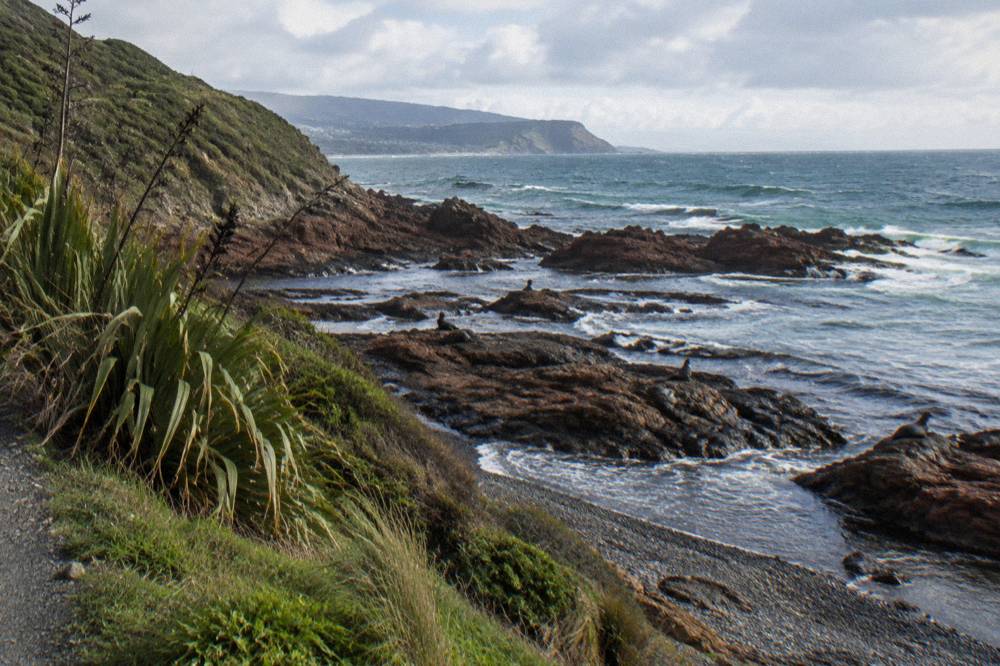
The vocabulary has a practical payoff beyond the headland, too. Because DOC uses these same terms across its kekeno information, the words you meet in its signage and published material will match the ones above, and the same vocabulary serves you whether you walk the Red Rocks track under your own steam or join a seal safari. It also sets realistic expectations for the numbers. A tally from one viewpoint will never reconcile with a nationwide modelled estimate or with a preliminary direct count, because both describe a population far larger than anything a single headland can show, and DOC itself asks that the preliminary figure be treated with caution.
How Close Can You Get To A Furry Seal In Wellington?
Stay at least 20 metres from seals onshore where you can, keep vehicles at least 50 metres away where possible, keep vessels 20 metres from the water's edge where seals may be present, and leave 5 metres if you are swimming. These are the Department of Conservation's distances, and they exist because disturbing a seal can lead pups to be abandoned. Harassing a marine mammal carries a maximum penalty of two years in prison.
The legal backbone is the Marine Mammals Protection Act 1978, which protects seals, whales and dolphins alike, and carries a fine up to $250,000 alongside the prison term for harassment. Beyond distance, the practical rules are simple: never come between a fur seal and the sea, never touch one, keep dogs on a leash and well away, skip the loud noise, and keep children back. Seals can be aggressive and carry disease, which is why the selfie-with-a-seal instinct is a genuinely bad one. If you see a seal harassed, injured or entangled, the DOC hotline is 0800 DOC HOT, 0800 362 468.
A safari handles this geometry for you. The Seal Coast Safari's 4WD route keeps to tracks across Terawhiti Station, and its booking page states the trip is not recommended for travellers with back, neck or heart conditions or who are pregnant, and is not wheelchair accessible. Full refund applies if you cancel at least 24 hours before the start. That tour's operator says the experience requires good weather; if it is cancelled for poor weather, a different date or a full refund is offered.
Which Wellington Tours Name Seals On Their Itinerary?
Five of the twelve tours on this site name seals in their own itinerary: both Seal Coast Safari options, the two Cape Palliser day trips with a seal colony stop, and one private full-day sightseeing tour with a Red Rocks stop. The remaining seven, covering Zealandia, Kapiti Island and the City to Coast sightseeing tour, make no seal claim at all, and it would be a mistake to book them expecting one.
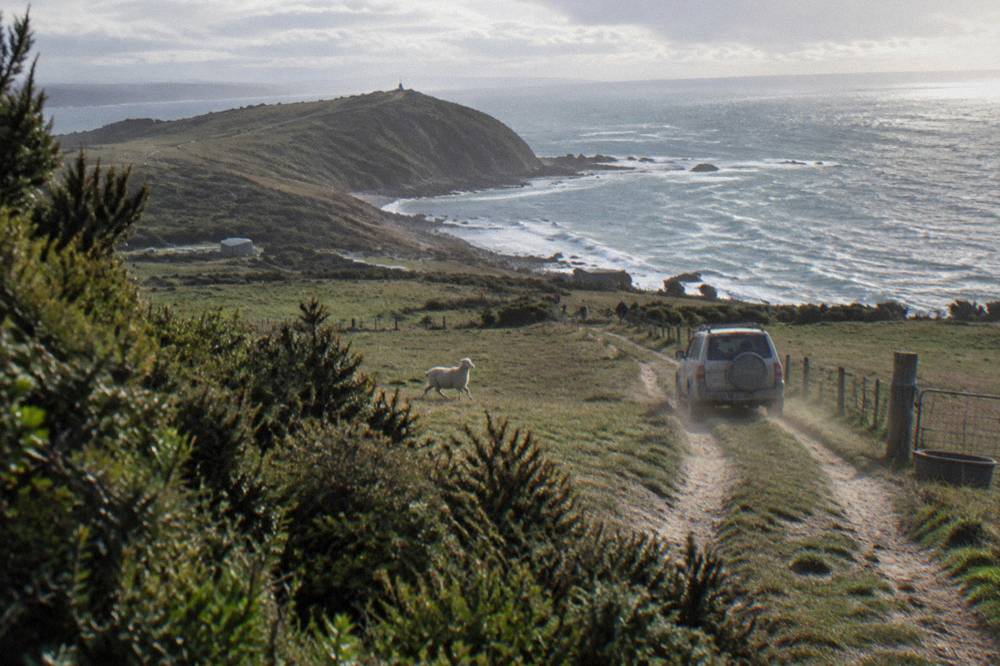
The two Seal Coast Safari products are the same operator on two platforms, so they count once as a family but differ in detail. The Exclusive Access version is from $111.80 per person, 4.9 across 371 reviews, group max 10, 3 hours 30 minutes, hotel or cruise ship pickup. The Wanderlust Half Day Seal Safari is from $110 per person, 4.9 across 342 reviews, 3 hours 30 minutes, Wellington central pickup or cruise terminal, and the operator says it runs in all weather, with routes that may change and bookings movable to another day at no charge with at least 24 hours notice.
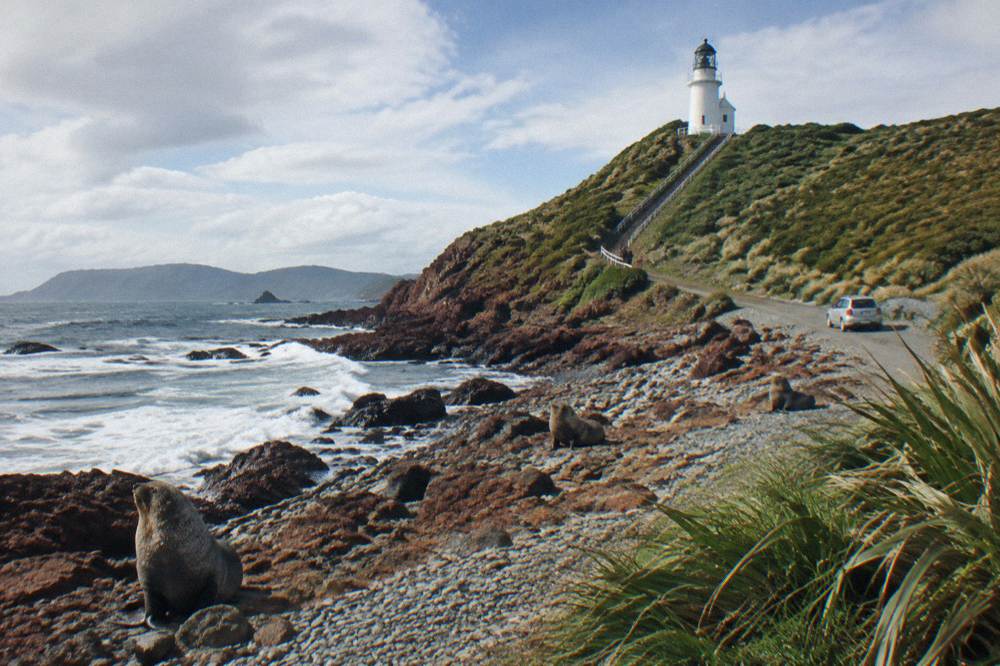
The Cape Palliser pair go further afield. Zozo Travel's Martinborough Winery, 10-Hour Day Trip is from $219 per person, 4.8 across 24 reviews, and includes a Ngawi seal colony stop plus Cape Palliser Lighthouse, with a tapas or vineyard lunch and dinner at Lake Ferry Hotel or the Royal Hotel. Kaewa Tours' Scenic Full Day is private, from $359.48 per person, 5.0 across 28 reviews, and pairs Martinborough wineries with the lighthouse and seal colony. One caution applies to any Cape Palliser plan: check the South Wairarapa District Council road alerts before driving, as road status can change.
The fifth seal-naming tour is Capital Personalised Tours' Private Full Day Sightseeing, from $206.40 per person, 4.8 across 82 reviews, 7 hours, with lunch included and a Red Rocks stop among Mount Victoria, the Weta Cave and the Cable Car. It suits travellers who want seals as one chapter of a full Wellington day rather than the whole story.
For the non-seal side of the ledger, Zealandia and Kapiti Island offer some of the strongest wildlife in the region, just not seals: kaka, kokako, takahe and hihi on Kapiti, and 40-plus native bird species, tuatara and Hamilton's frog at Zealandia. The Wellington wildlife tours compared guide covers that half of the tours here properly.
When Can You See Kekeno Around Wellington?
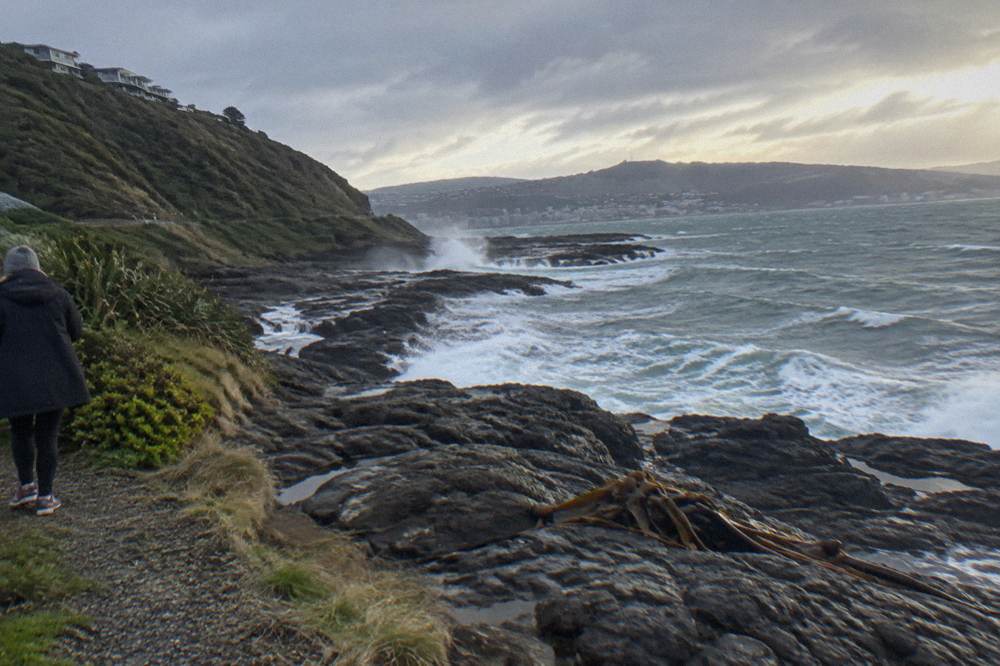
No tour here promises a sighting, and neither safari booking page names a season, so the answer is timing guidance rather than a guarantee. The Wellington City Council says you can meet the kekeno in winter at Te Rimurapa, just beyond Pariwhero on the Red Rocks walk. DOC describes Cape Palliser as a breeding site, with at least 1,000 pups counted there in the 2025/26 season.
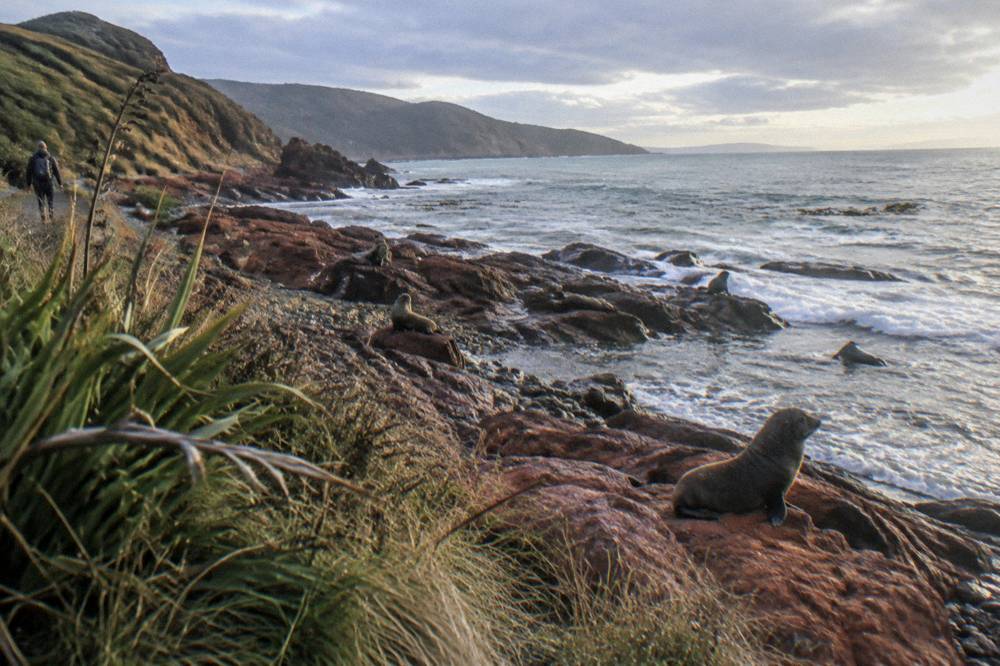
The council's phrasing deserves care: winter is when the Red Rocks colony is most often described, but that is a council description of a self-guided walk, not a season claim for any commercial tour. The distinction matters because readers often carry a "best month" expectation onto booking pages that make no such promise. Sighting language on guided tours stays in the register of "can" and "may", which is exactly how the itineraries themselves handle seals: named as a stop or a species, never as a certainty. What Time Of Year Are Seals Most Active? unpacks the broader seasonal picture.
Weather planning matters more than calendar planning on this coast. DOC describes the south coast as windy with changeable weather and strong currents, and the marine reserve at Taputeranga, established in 2008 across 855 hectares just 6 km from the city centre, bans fishing and gathering of marine life along that shoreline. Dressing for wind is the single most practical packing decision; the what to wear on a Wellington seal safari guide covers it in depth.
What Makes Kekeno Different From Other Seals?
Kekeno are eared seals, which sets them apart from true seals: they have external ear flaps, can rotate their hind flippers forward and walk on land, and their dense fur is the "furry" feature behind the common name. They are the most common seal in New Zealand and their numbers are growing, a recovery from near-elimination during the sealing era. Around Wellington they are the species at Cape Palliser and along the south coast.
The practical tells are easy once you know them. An eared seal on land props itself up on its fore flippers and can lope surprisingly fast, while a true seal hunches along like a caterpillar. Kekeno also have prominent whiskers and a pointed snout, and the bulls' neck mane gets coarser and darker with age. Pups are born with a dark woolly coat that makes them look even more literally furry than the adults, which is part of why the pup-count number at Cape Palliser draws attention each breeding season.
That preliminary count of at least 1,000 pups in 2025/26 is the kind of figure DOC attaches a caution to, because direct counts are still being assessed. Taken with the nationwide modelled estimate of 208,536 to 251,644 animals, the direction is clear: the species is recovering, and Wellington's coast is one of the places where that recovery is visible. When readers ask Wellington Seal Safari whether the animals are "the furry ones", the answer is yes, and they have a name.
Common Questions About Furry Seals In Wellington
What Are Furry Seals Called?
Furry seals in New Zealand are kekeno, the New Zealand fur seal, Arctocephalus forsteri. Kekeno is the te reo Māori name used by the Department of Conservation. Adult males are bulls, females are cows, young are pups, and immature males are sub-adult males or bachelors.
Are Fur Seals And Sea Lions The Same Animal?
No. Kekeno, the New Zealand fur seal, are the most common seals in New Zealand and the species you see around Wellington's south coast and at Cape Palliser. New Zealand sea lions are a rarer, different species found mostly further south.
How Many Fur Seals Live In New Zealand?
The Department of Conservation's 2026 nationwide modelled estimate is 208,536 to 251,644 kekeno, and the population is growing. A preliminary direct count at Cape Palliser found at least 1,000 pups in the 2025/26 breeding season, a figure DOC asks to be treated with caution.
Do Wellington Seal Tours Guarantee A Sighting?
No tour on this site promises a sighting. Seals are named on the itineraries of five of the twelve tours: both Seal Coast Safari options, the two Cape Palliser day trips, and one private full-day sightseeing tour with a Red Rocks stop. The other seven make no seal claim.
How Close Can I Get To A Seal On A Wellington Tour?
DOC's rule is at least 20 metres from seals onshore where you can, 50 metres for vehicles where possible, 20 metres for vessels, and 5 metres for swimmers. Never come between a seal and the sea, never touch one, and keep dogs on a leash well away. Report harassed or injured seals to 0800 DOC HOT.
Which Seal Tour Should I Book From Wellington?
The most reviewed seal tour is the Exclusive Access Seal Coast Safari, 4.9 across 371 reviews, from $111.80 per person for 3 hours 30 minutes with hotel or cruise ship pickup. Its platform twin, the Wanderlust Half Day Seal Safari, is from $110 per person, 4.9 across 342 reviews. Both can be cancelled for a full refund at least 24 hours before the start.
If you already know the animal and want the practical next step, the seal safari pair above is where most travellers land, with the private full-day sightseeing tour as the wider-Wellington alternative.