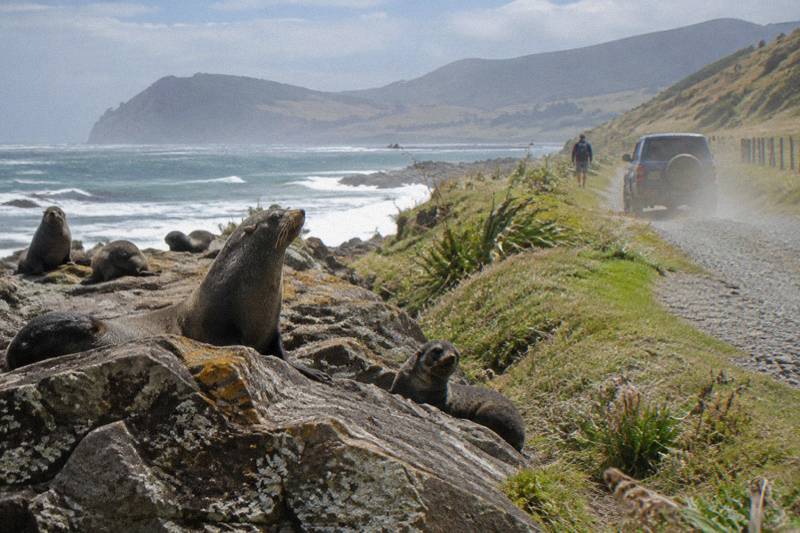
Can You See Seals In Wellington In Winter?
Winter is when Wellington's kekeno fur seals are most often described around the south coast. Here is what the council says, which tours name seals, and what winter weather means for booking.
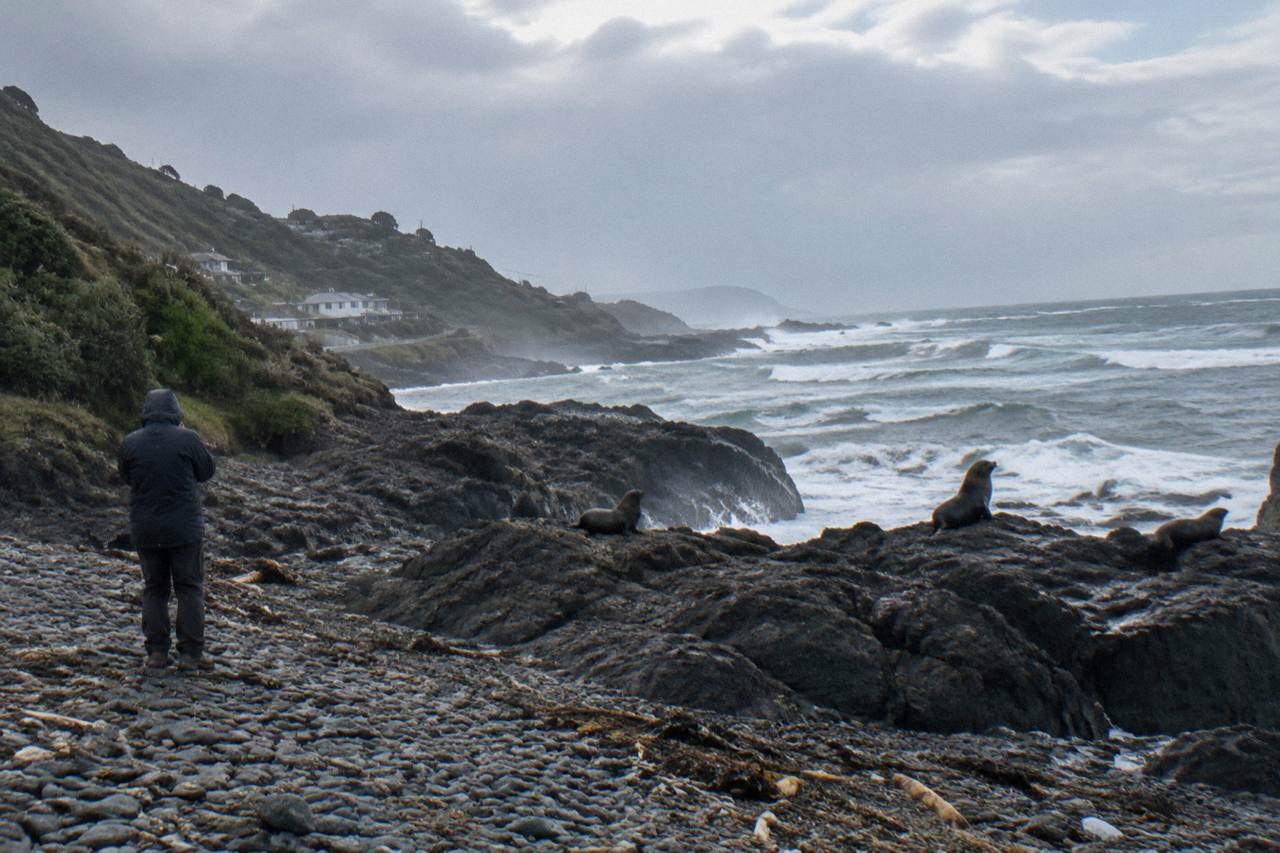
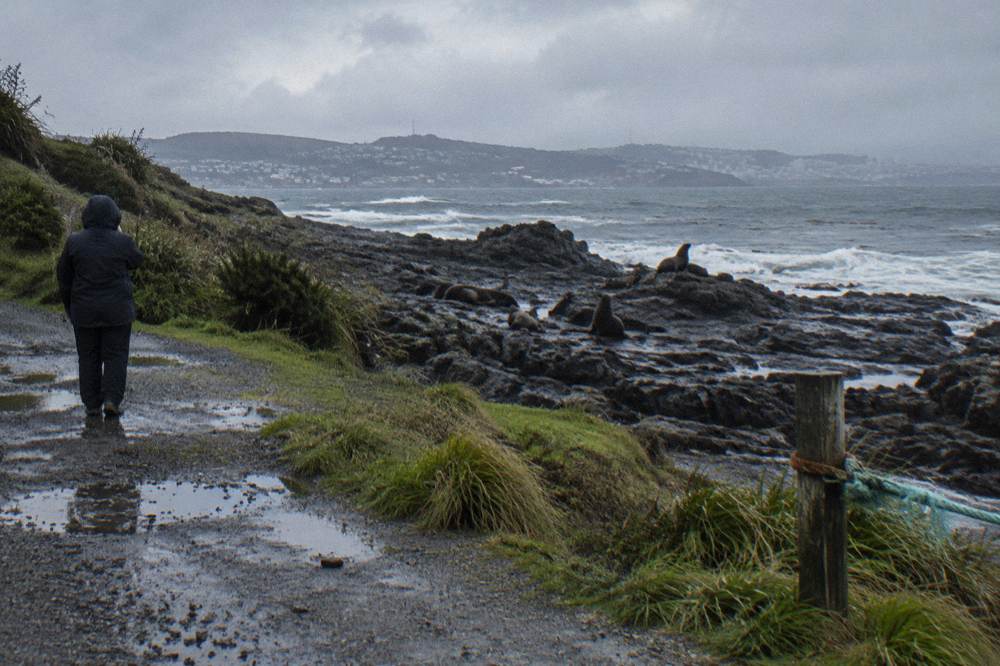
Wellington City Council says you can meet the kekeno, the New Zealand fur seal, in winter just beyond Pariwhero, the Red Rocks, at Te Rimurapa on the south coast. That is the clearest seasonal signal published by any official body for this region, and it makes winter a genuinely good time to plan a seal trip around the capital. For a fuller picture of how winter fits into the wider cycle, the breakdown of seal activity through the year compares what the Department of Conservation advises with what tour operators tell prospective visitors.
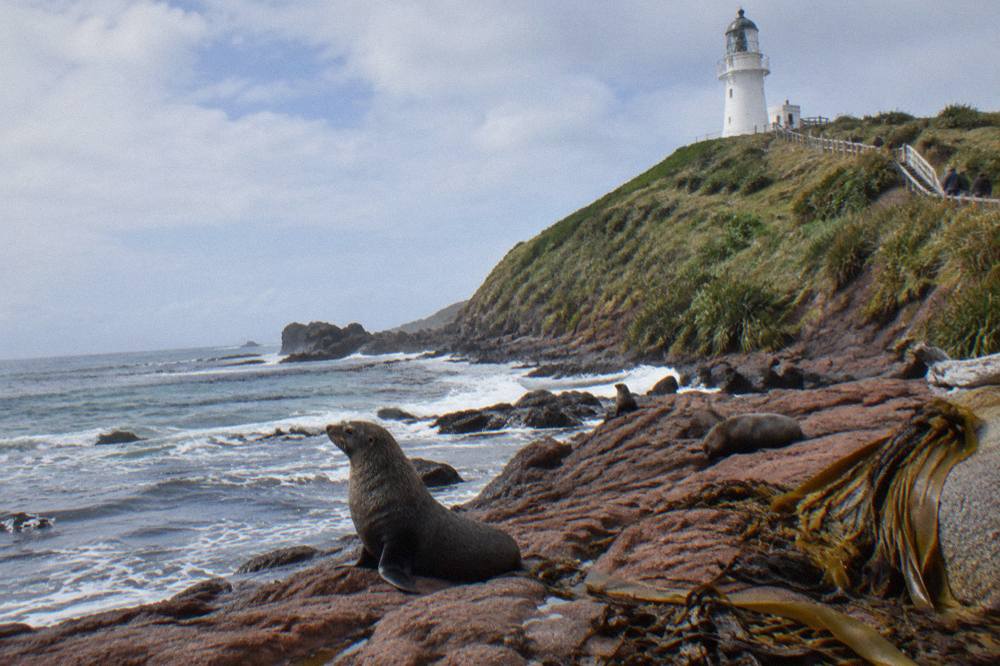
Yes. Winter is the season Wellington City Council names for meeting kekeno at Te Rimurapa, just beyond the Red Rocks, on the self-guided coastal walk from Owhiro Bay. Five of the twelve tours on this site put seals in their itinerary by name, with departures and dates shown on each booking page.
The council's own description of the Pariwhero Red Rocks Coastal Walk says walkers can meet the kekeno in winter just beyond Pariwhero at Te Rimurapa, at Devil's Gate. That is a council statement about the free, self-guided 7.4 km walk, which takes 2 to 3 hours return from the car park at the end of Owhiro Bay. It is not a promise, and no date range beyond the word winter appears anywhere official for this coast. The operators whose itineraries name seals give no season at all, which is worth knowing: a safari that names seals on its route is describing what the itinerary passes, not guaranteeing an animal at a particular hour.
What winter does change is the animals' prominence rather than their presence. Kekeno are the most common seals in New Zealand and the population is growing; the Department of Conservation's 2026 nationwide modelled estimate is 208,536 to 251,644 animals. Around Wellington the species hauls out on the south coast's rocky shelves, and winter is when the council's wording points visitors toward them. The Red Rocks seal season explained page carries the fuller picture of seal timing.
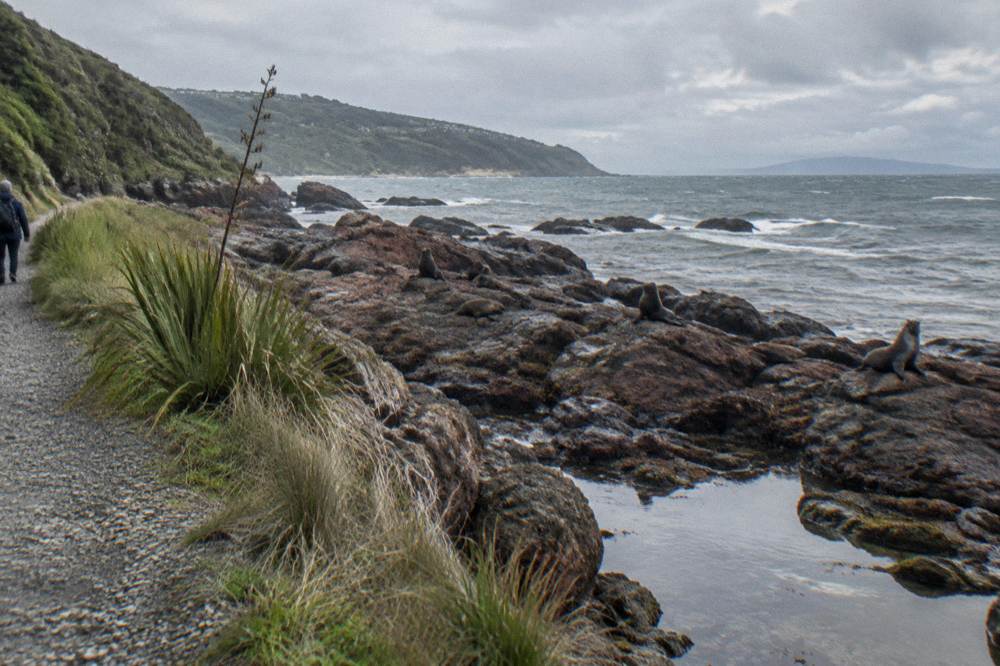
The practical winter questions are three: where the animals actually are, what the weather does to a tour, and which of the paid options name seals at all. The rest of this page works through each.
Where Do Seals Show Up Around Wellington In Winter?
Two south-coast places dominate: the Red Rocks to Te Rimurapa stretch of the council walk from Owhiro Bay, and the Cape Terawhiti coastline reached across Terawhiti Station private farmland by 4WD safari. Further afield, the seal colony near Cape Palliser anchors the two Wairarapa day trips. Each is a different kind of visit.
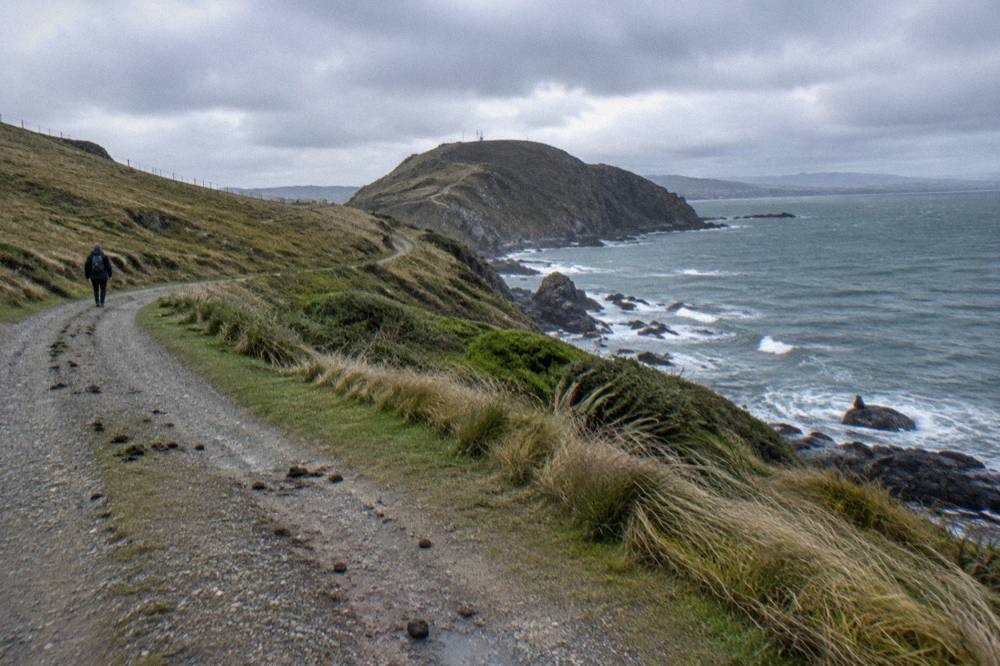
The Red Rocks walk is the free option. It is an easy, flat 7.4 km return track from the car park at the end of Owhiro Bay, at the Te Kopahou Reserve entrance, passing early-1900s baches on the way to Devil's Gate at Te Rimurapa. The unsealed route is uneven and unsuitable for 2WD vehicles, so the realistic choices are 4WD, walking or cycling, and the gate is closed to vehicles on Sundays while staying open to walkers and mountain bikers. The red rocks themselves are ancient volcanic pillow lava set in greywacke, inside a scientific reserve created in 1972. Dogs must be on leads and kept 20 m from wildlife.
The safari option reaches a different stretch of coast. The Seal Coast Safari itinerary runs from Otari-Wilton's Bush across Terawhiti Station, private farmland, to Cape Terawhiti, and its name for the trip is honest: seals are named on the itinerary. The operator's Exclusive Access tour carries a 4.9 rating across 371 reviews, runs 3 hours 30 minutes, and costs from $111.80 per person with pickup from your Wellington hotel or cruise ship. A Wellington Seal Safari in the strict sense means this product family, and the same operator's Wanderlust-branded departure costs from $110 per person, rated 4.9 across 342 reviews, with central Wellington or cruise terminal pickup for the same 3 hours 30 minutes.
The third cluster is the Wairarapa. The Martinborough Winery, 10-Hour Day Trip, from $219 per person and rated 4.8 across 24 reviews, stops at the Ngawi seal colony and the Cape Palliser Lighthouse. The Scenic Full Day private tour, from $359.48 per person, rated 5.0 across 28 reviews, also stops at the lighthouse and seal colony. DOC's preliminary count at Cape Palliser recorded at least 1,000 pups in the 2025/26 breeding season, a figure DOC itself asks to be treated with caution. If you are driving yourself rather than booking, the only road advice that holds is to check the South Wairarapa District Council road alerts before driving; status changes and nothing here should be read as saying the road is open or closed.
Choosing between the two south-coast options comes down to transport, budget, and how much coast you want to cover. Red Rocks is free and runs on your own schedule, but the unsealed surface rules out 2WD vehicles, so the realistic move for most drivers is to park at the Owhiro Bay car park and continue on foot or by bike, and Sundays, when the vehicle gate is shut, are purely walking and mountain-biking days. Cape Terawhiti works differently: the route crosses Terawhiti Station's private farmland, so that stretch of coast arrives with the safari's 4WD rather than under your own power. Both safari booking pages run the same 3 hours 30 minutes, so the practical choice between them comes down to pickup point and a small price difference.
The Wairarapa pair splits along similar lines. Both tours stop at a seal colony and the Cape Palliser Lighthouse, so the seal stop itself is common ground; what separates them is length, winery focus, and price, with the private option sitting at the top of the per-person range here. Keep expectations at Ngawi anchored to DOC's framing rather than a head-count promise: the 2025/26 figure is preliminary, DOC asks that it be treated with caution, and at least 1,000 pups is a floor, not a forecast. Self-drivers should recheck the South Wairarapa District Council road alerts on the morning of the trip, because status changes and yesterday's answer does not carry over.
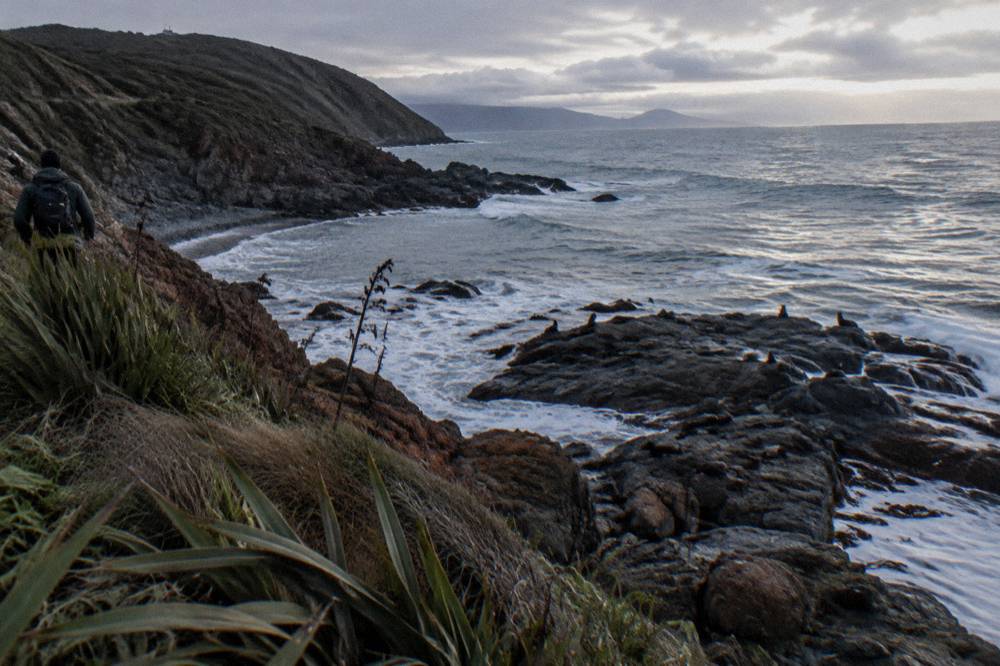
A few ground rules travel with you along all three coasts. At Red Rocks, dogs must be on leads and kept 20 m from wildlife, which matters most in winter, the season Wellington City Council names for meeting kekeno at Te Rimurapa. Anglers should map Taputeranga Marine Reserve against their plans before casting a line, because all fishing and gathering is banned inside it. Read the sources plainly and winter becomes a matter of likelihood rather than guarantee: the council names a season rather than a month, DOC supplies modelled estimates and one preliminary count, and a stop at a colony is not a promised sighting.
Is A Winter Seal Safari Worth Booking?
For most visitors, yes, because the 3 hours 30 minute format fits a winter day and the two Seal Coast Safari booking pages together carry 713 reviews at 4.9, the deepest review pool of any seal product on this site. A full refund applies if you cancel at least 24 hours before the start on both, so a winter booking is reversible.
The short-day argument matters more than people expect. Wellington's winter daylight is limited, the south coast is windy, and the weather changes quickly, conditions the Department of Conservation itself flags for the Taputeranga Marine Reserve, where strong currents and changeable weather are the norm. A half-day 4WD trip with hotel pickup spends your weather window efficiently rather than stretching a full day across it. The Exclusive Access tour caps groups at 10 and picks up from Wellington hotels or the cruise ship, from $111.80 per person; the Wanderlust booking page from $110 picks up centrally or at the cruise terminal. Both name seals on the itinerary. Since a tight daylight window makes the departure slot matter even more, the guide to choosing a seal tour departure time explains how morning and afternoon options actually compare.
The reversibility argument is the second half. Each of the two Seal Coast Safari bookings reads a full refund if cancelled at least 24 hours before the start, in each operator's own wording. That is per tour, not a blanket site policy, and it is the term that makes a winter booking low-risk: you are not gambling the fare against a forecast ten days out.
What If The Winter Forecast Turns Bad?
The two booking pages for the safari handle weather differently, and the difference is worth reading before you book. The Exclusive Access tour requires good weather to run; if it is cancelled for poor weather, you are offered a different date or a full refund. The Wanderlust booking page lists running in all weather, with routes that may change for weather and other conditions, and a confirmed booking can be moved to another day at no charge with at least 24 hours notice. The fuller planning picture is on the Wellington seal safari weather and wind page.
The private sightseeing alternative behaves differently again. The Private Full Day, Meal Included tour from Capital Personalised Tours costs from $206.40 per person, runs 7 hours, rates 4.8 across 82 reviews, and includes a Red Rocks stop described as seals in their natural environment, plus Mount Victoria, the Weta Cave, lunch and the Cable Car. Its weather terms are its own, so check the booking page for that one before committing a winter day to it.
Do You Need To Book In Advance For Winter?
Yes, for the seal safaris, because both use 4WD vehicles with a stated cap of 10 guests on the Exclusive Access booking page, and winter is the season the council itself promotes for seals. Book ahead, keep the 24 hour cancellation window in mind, and watch the forecast inside it.
The council describes the Red Rocks kekeno in winter, and the booking page shows availability by date. The practical pattern is to book the safari early in your trip's planning, then re-check the forecast as the 24 hour mark approaches, which is the point after which the full-refund window closes.
For the free Red Rocks walk, nothing needs booking, but Sunday matters: the gate is closed to vehicles that day. If you are renting a car specifically to drive the coastal track, plan that for another day of the week, walk it, or go with a safari that holds the driving for you. The comparison of those two approaches is laid out in Red Rocks walk versus seal safari.
How Close Can You Get To Winter Seals?
Twenty metres onshore is the Department of Conservation's rule where you can achieve it, and never closer by vehicle than 50 m. Do not come between a seal and the sea, keep dogs on a leash well away, and never touch one: they can be aggressive and carry disease.
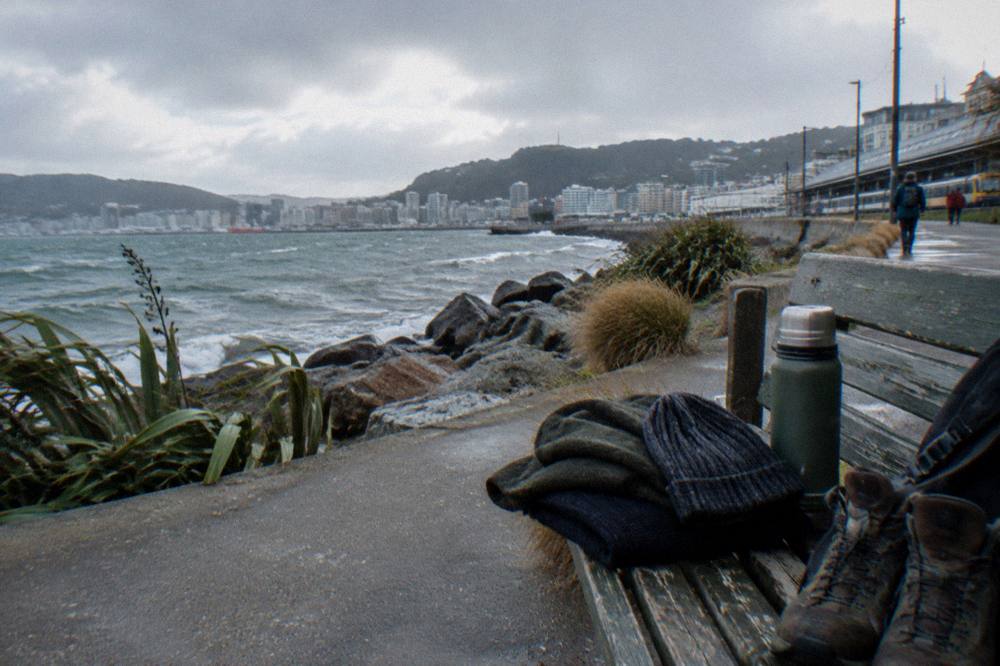
Those distances come from DOC's marine mammal protection guidance, which carries real force. Seals, whales and dolphins are protected under the Marine Mammals Protection Act 1978, and harassing or disturbing them is an offence with a maximum penalty of two years in prison or a fine up to $250,000. At sea the rule is vessels keeping at least 20 m from the water's edge where seals may be present, and swimmers at least 5 m. Drones near marine mammals need DOC authorisation. Pups can be abandoned if disturbed, so no feeding, no loud noise, and keep children back.
On the self-guided walk in winter wind, with fewer people around, the 20 m rule is yours alone to hold. If something goes wrong, the DOC hotline for harassment, injury or entanglement is 0800 DOC HOT, 0800 362 468.
What Should You Wear On A Winter Seal Trip?
Layers, real wind protection and solid shoes: the south coast is windy and the weather changes quickly, and the Red Rocks track is uneven gravel unsuitable for anything flimsy. Dark glasses help too, because low winter sun plus sea glare is punishing on the eyes.
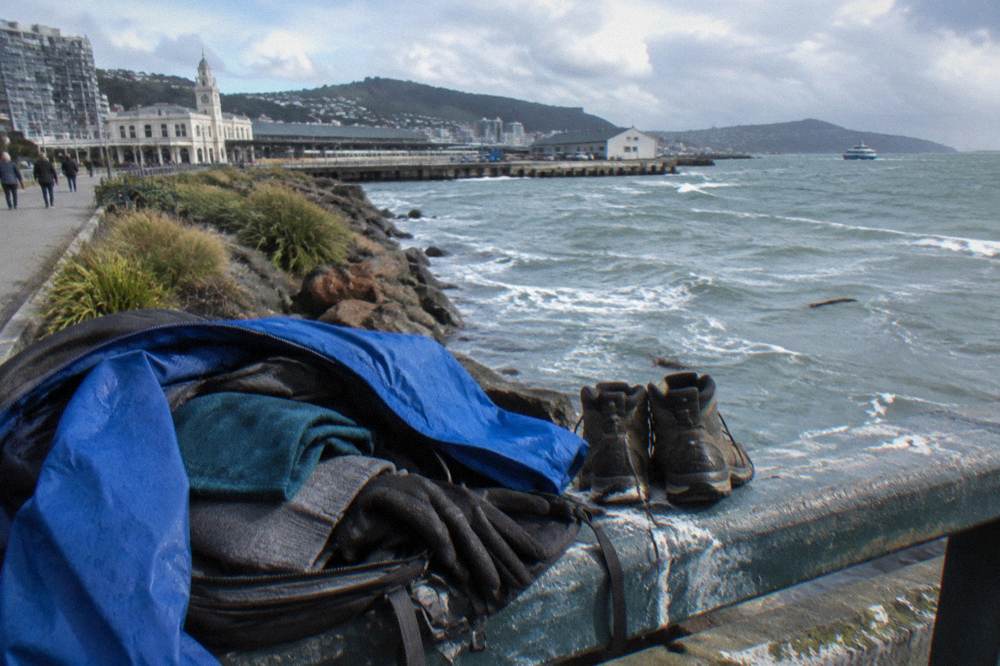
The council's own track notes flag the uneven unsealed surface, and DOC's reserve guidance flags changeable weather. Neither is winter-specific, but winter compounds both. For a 4WD safari with hotel pickup, you step from warmth to wind repeatedly at stops, so a shell you can open and close beats a single heavy coat. For the walk, waterproof shoes matter more than anything else you can buy, and the 2 to 3 hours return is long enough to get thoroughly cold in the wrong kit. The detailed kit reasoning, including what works for photography in flat winter light, sits on what to wear on a Wellington seal safari.
The one health note that is published anywhere on this site belongs to the Seal Coast Safari booking page: it is not recommended for travellers with back, neck or heart conditions or pregnancy, and it is not wheelchair accessible. For children's ages, only two Zealandia products publish minimums, 5 on the twilight eco tour and 12 on the night tour; for the safaris, the booking page is where age terms appear. The fuller discussion is on the children on a Wellington seal safari page.
What Does A Winter Seal Trip Cost?
The two seal safaris sit close together: from $110 and $111.80 per person for 3 hours 30 minutes each. The private full-day sightseeing tour with a Red Rocks stop is from $206.40 per person over 7 hours with lunch, and the free option is the council's Red Rocks walk, which costs nothing but your footwear and windproof layer.
| Option | From price (USD) | Duration | What the itinerary names | Reviews |
|---|---|---|---|---|
| Wanderlust Half Day Seal Safari | $110.00 per person | 3 hours 30 minutes | Seals, 4WD safari | 4.9 across 342 |
| Exclusive Access Seal Coast Safari | $111.80 per person | 3 hours 30 minutes | Otari-Wilton's Bush, Terawhiti Station, Cape Terawhiti, seals | 4.9 across 371 |
| Private Full Day, Meal Included | $206.40 per person | 7 hours | Mount Victoria, Weta Cave, Cable Car, Red Rocks seals, lunch | 4.8 across 82 |
| Red Rocks coastal walk (self-guided) | Free | 2 to 3 hours return, 7.4 km | Kekeno in winter per the council |
Two things the table cannot show. First, the two safaris are the same operator on two platforms, so treat them as one product family with two prices and pickup arrangements rather than as competitors. Second, the private tour's price is shown per person with the group basis unstated; the booking page is where that basis is confirmed. The wider price ladder across the tours here, from the $40.13 Zealandia day tour to the $400.76 overnight Kapiti Island trip, is unpacked on the Wellington seal safari prices page.
Winter does not change any of these figures. No operator on this site publishes a seasonal rate, and none should be assumed: the prices above are the from-prices as published, per person, USD.
Common Questions About Winter Seals In Wellington
Can You See Seals In Wellington In Winter?
Yes. Wellington City Council says walkers can meet the kekeno in winter at Te Rimurapa, just beyond the Red Rocks. The seal safaris that name seals on their itinerary also run through winter.
Are Seals More Visible In Winter Or Summer?
The council's wording for the Red Rocks coast names winter specifically, and no official source publishes a month range for Wellington. The tour itineraries name seals, and no season is singled out.
Do The Seal Safaris Get Cancelled For Winter Weather?
It depends on the tour. The Exclusive Access safari requires good weather and offers a different date or a full refund if cancelled for poor conditions. The Wanderlust booking page lists running in all weather, may change routes, and can be moved to another day at no charge with at least 24 hours notice.
Can You See Seals In Wellington Without A Tour?
Yes. The Pariwhero Red Rocks Coastal Walk is a free, easy, flat 7.4 km return track from the car park at Owhiro Bay. The gate is closed to vehicles on Sundays; the track stays open to walkers and mountain bikers.
How Close Can You Get To A Seal In Winter?
Stay at least 20 m from seals onshore where you can, never come between a seal and the sea, and never touch one. Disturbing marine mammals is an offence under the Marine Mammals Protection Act 1978.
Is A Winter Seal Safari Worth The Money?
For most visitors, yes: from $110 to $111.80 per person for 3 hours 30 minutes, with a full refund available if cancelled at least 24 hours before the start, and a combined 713 reviews at 4.9 across the two safari booking pages.