Where Can I See Seals In NZ?
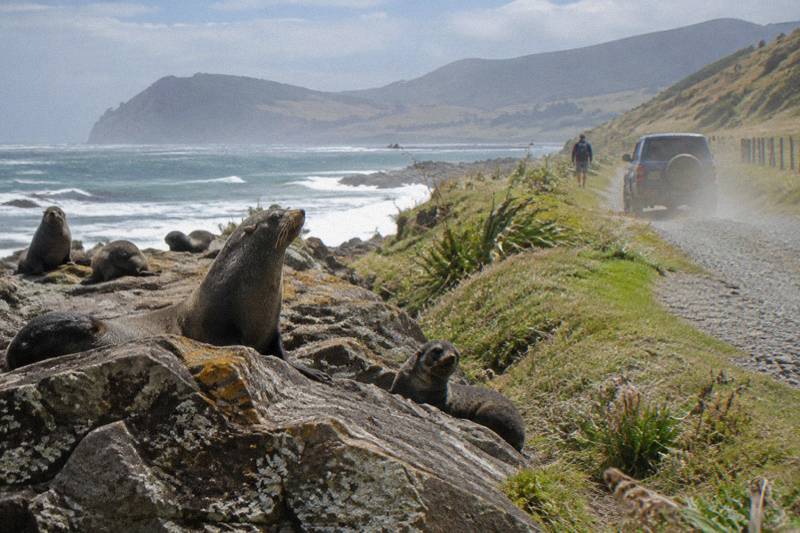
New Zealand fur seals, the kekeno, are the country's most common seal. This guide covers where the Wellington tours actually go, the distance rules, and how to choose a trip.
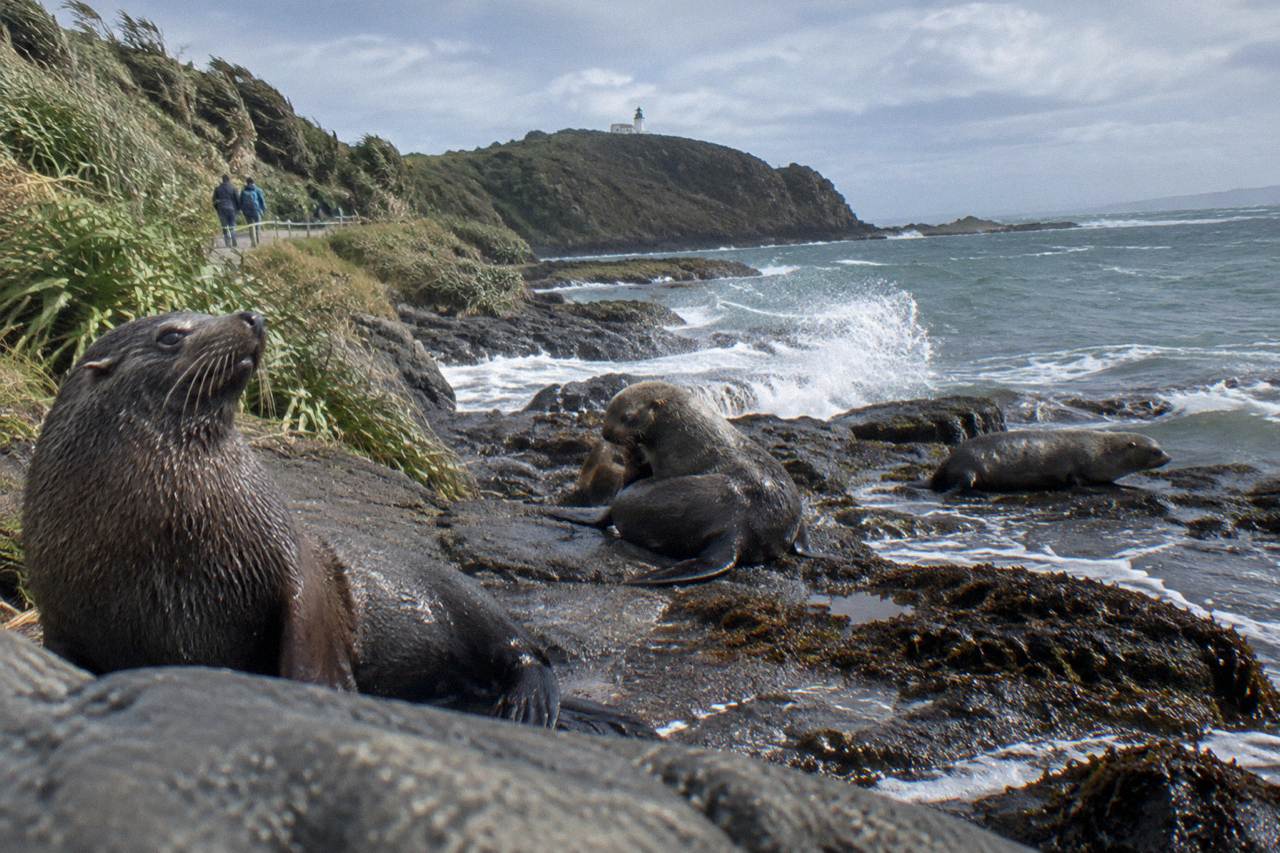
The short answer for most travellers is the kekeno, the New Zealand fur seal, which the Department of Conservation describes as the most common seal in New Zealand, with a 2026 nationwide modelled population of 208,536 to 251,644 animals. Around Wellington, the practical places to look are the south coast, Cape Palliser in the Wairarapa, and the coastline the local seal safaris drive through.
Kekeno haul out on rocky shorelines to rest, breed and moult, and they are present around much of New Zealand's coast, so the question is less about whether seals exist and more about which spots you can actually reach on a given trip. Wellington happens to be one of the better base cities for that, because the rugged coast south of the city is only a short drive from the central hotels, and several operators run tours that name seals in their itineraries. To see which operators actually deliver on the seal sightings, where each trip travels, and what you should expect to pay, the guide to kekeno tours along Wellington's south coast covers it all in plain terms.
Five of the twelve tours on this page name seals in what they sell: the two Seal Coast Safari booking pages, the two Cape Palliser day trips, and one private full-day sightseeing tour that includes a Red Rocks stop. The other seven, the Zealandia wildlife tours, the Kapiti Coast nature trips and the City to Coast sightseeing tour, make no seal claim at all, and it would be misleading to imply otherwise. Those seven are excellent wildlife tours, simply for birds and other native animals rather than seals.
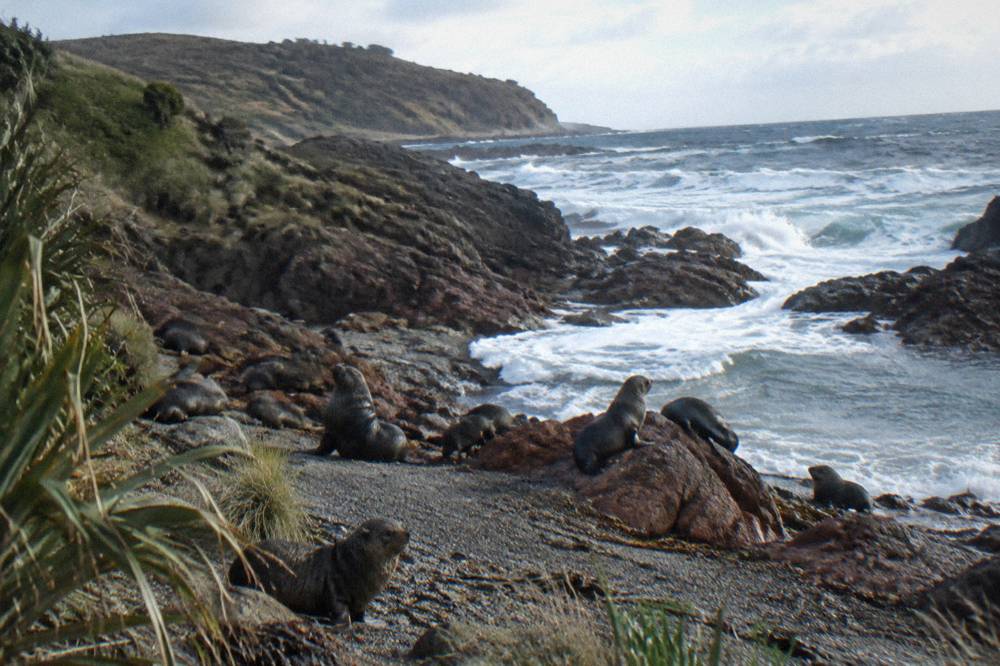
DOC's national estimate gives a sense of scale: a modelled 208,536 to 251,644 animals nationwide, and the population is growing. A preliminary direct count at Cape Palliser found at least 1,000 pups in the 2025/26 breeding season, a figure DOC itself asks readers to treat with caution. None of that guarantees a sighting on any particular day, and no Wellington tour promises one. What it does mean is that the coastlines these trips visit are genuinely part of the species' range.
Where Can You See Seals Near Wellington?
The two seal-viewing coastlines within reach of Wellington are the southwest coast at Cape Terawhiti, where the Seal Coast Safari operates, and the Cape Palliser coast in the Wairarapa, which two full-day tours visit. Both areas are part of the kekeno's range, and both are covered by tours that name seals in their itinerary, which is the clearest signal an operator gives that seal viewing is part of the day. The name kekeno may be unfamiliar at first, and the guide to what furry seals are called in New Zealand explains where that name comes from and what sets the New Zealand fur seal apart.
The Exclusive Access Seal Coast Safari picks up from your Wellington hotel or cruise ship and runs for 3 hours 30 minutes, from $111.80 per person, rated 4.9 across 371 reviews. It carries a maximum of 10 guests in a 4WD vehicle. The same operator also sells a near-identical half-day trip through a second booking channel, the Wanderlust Half Day Seal Safari, from $110.00 per person, rated 4.9 across 342 reviews, meeting at Wellington central pickup or the cruise terminal. Both are run by Seal Coast Safari, so as products they are one family with two price points.
The itineraries matter more than the price difference, so it helps to read the Seal Coast Safari Wellington route guide before booking. The key point: the safari's route runs to Cape Terawhiti via Terawhiti Station, private farmland on the south coast, after a stop at Otari-Wilton's Bush. It does not go to Red Rocks, which is a separate, self-guided council walk.
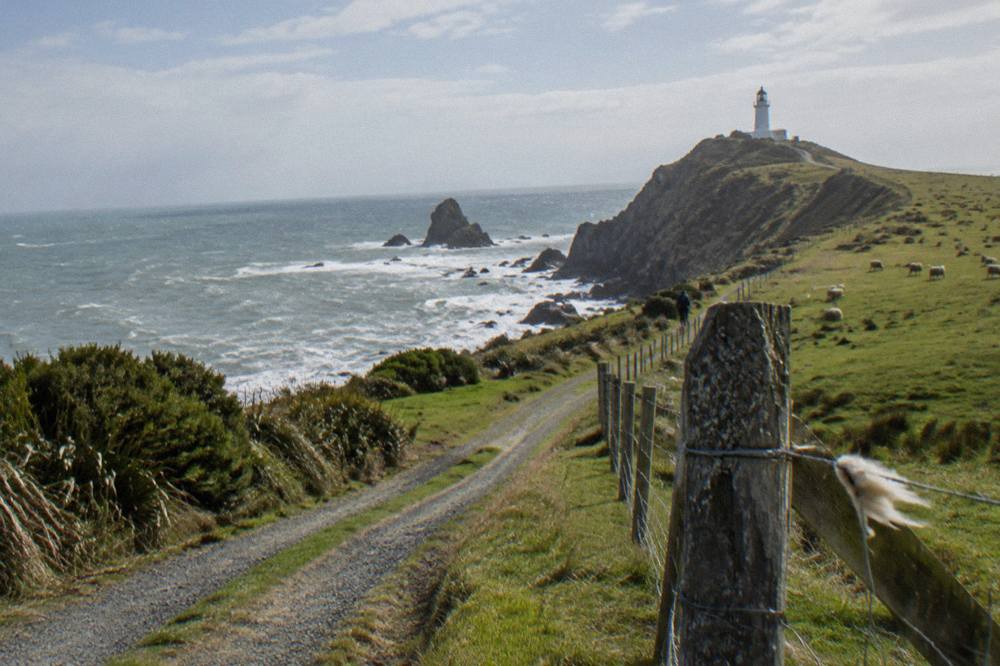
The Cape Palliser option is a different animal altogether: a full day across the Remutaka Hill into the Wairarapa, finishing at a seal colony below the 1897 lighthouse. The Martinborough Winery, 10-Hour Day Trip from Zozo Travel runs 10 hours from $219.00 per person, rated 4.8 across 24 reviews, with hotel pickup, a vineyard or tapas lunch and dinner at Lake Ferry Hotel. It is a long day, but it pairs the colony with wine country, and the price is per person with meals included.
How Close Can You Get To Seals In New Zealand?
The Department of Conservation's rule is 20 metres from seals on shore where you can manage it, never touching them, never coming between a seal and the sea, and keeping vehicles at least 50 metres away where possible. In the water, vessels must keep 20 metres from the water's edge where seals may be present, and swimmers must stay 5 metres away. These distances are law-backed guidance, not suggestions.
Seals, whales and dolphins are protected under the Marine Mammals Protection Act 1978, and harassing or disturbing a seal is an offence carrying a maximum penalty of two years in prison or a fine up to $250,000. The DOC seals and sea lions pages set out the full rules, but the short version for a coastal visitor is simple: give them room, keep dogs on a leash and well away, do not feed them, no loud noise, and keep children back. Pups can be abandoned if disturbed.
There are practical reasons behind the rules, too. DOC warns that seals can be aggressive and carry disease, so never touch one, even a pup that looks alone. If you see harassment, injury or entanglement, the hotline is 0800 DOC HOT, 0800 362 468. The longer piece on how close you can get on a seal safari works through what those distances look like on the ground, and what to do about a seal bite, which is rare but worth understanding before you stand near a wild animal.
A guided tour does not exempt you from any of this, but it does put someone familiar with the rules between you and the decision. Staying 20 metres back is easy on a vehicle-based safari, because the seals choose the rocks and the track keeps its distance.
| Rule | Distance | Applies where |
|---|---|---|
| People on shore | 20 m from seals | All coastlines |
| Vehicles | 50 m where you can | Beach and coastal track driving |
| Vessels | 20 m from the water's edge | Where seals may be present |
| Swimmers | 5 m | In the water near seals |
| Dogs | On a leash, well away | All Wellington coastal reserves |
Which Wellington Tours Name Seals In Their Itinerary?
Five of the twelve tours listed here name seals: the two Seal Coast Safari booking pages, the two Cape Palliser day trips, and the Private Full Day sightseeing tour with its Red Rocks stop. The remaining seven, three Zealandia wildlife tours, three Kapiti Coast nature tours and the City to Coast sightseeing trip, make no seal claim, and readers should not expect seals from them.
That split is worth spelling out because "wildlife tour" gets used loosely in travel search, and a visitor could reasonably book a Zealandia or Kapiti trip expecting seals. Zealandia's three tours, the 2-hour day tour from $40.13 per person, the 2 hour 30 minute twilight tour from $63.07 and the night tour from $68.80, are about forest birds, tuatara and Hamilton's frog in an enclosed Karori sanctuary. Kapiti's trips cross to an island where kaka, kokako, takahe and hihi live. Both are superb, neither sells seals.
The five that do name seals, with their headline figures, are:
| Tour | Price from | Duration | Rating | Seal content |
|---|---|---|---|---|
| Exclusive Access Seal Coast Safari | $111.80 per person | 3 hours 30 minutes | 4.9, 371 reviews | Cape Terawhiti coast via Terawhiti Station |
| Wanderlust Half Day Seal Safari | $110.00 per person | 3 hours 30 minutes | 4.9, 342 reviews | Same operator, south coast route |
| Martinborough Winery, 10-Hour Day Trip | $219.00 per person | 10 hours | 4.8, 24 reviews | Ngawi seal colony stop |
| Scenic Full Day, Meal Included | $359.48 per person | Not stated | 5.0, 28 reviews | Cape Palliser Lighthouse and seal colony |
| Private Full Day, Meal Included | $206.40 per person | 7 hours | 4.8, 82 reviews | Red Rocks stop, seals in their natural environment |
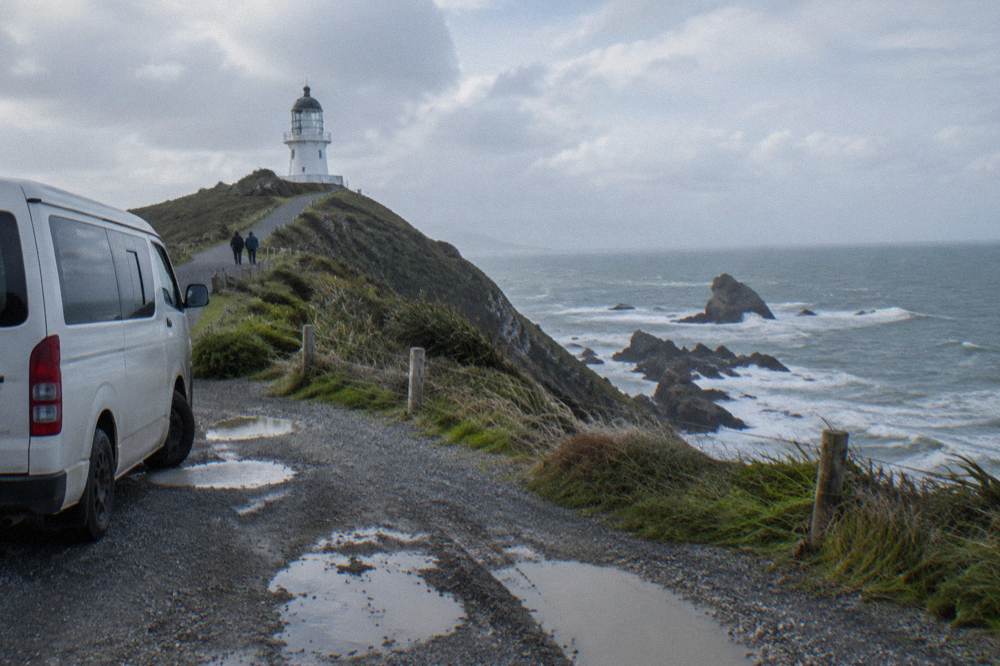
The Martinborough trip deserves its solo highlight here because it is the clearest "seals plus something else" day out of the capital: a vineyard region, a seal colony and the Cape Palliser Lighthouse, first lit in 1897 and reached by 258 steps built in 1912, in one 10-hour loop with hotel pickup. Cancel at least 24 hours before the start for a full refund, in that operator's own terms. Its weather terms are on the booking page, so check before you commit to a long Wairarapa day.
One caution for anyone driving to Cape Palliser independently: check the South Wairarapa District Council road alerts before driving.
A few comparisons help narrow the five. The Seal Coast Safari is bookable on two pages, $111.80 against $110.00, the same 3 hours 30 minutes and the same 4.9 rating, so the pick between them comes down to which page you prefer rather than value. The two Wairarapa full days also carry the thinnest review bases, 24 and 28 reviews, so the 5.0 on the Scenic Full Day deserves more caution than the half-days' 4.9s built on 342 and 371.
Geography sorts the rest. The half-days stay nearest the city on the Cape Terawhiti and south coast routes, which suits a short stay. The Martinborough and Scenic Full Day trips both pair the Cape Palliser Lighthouse with a Wairarapa seal colony, so the climb and the colony come as a package on either. The Private Full Day includes a Red Rocks stop, the better fit if you want seals without the drive out to the Wairarapa. On the no-seal side, even the priciest Zealandia option, the night tour at $68.80, costs less than either half-day safari, but no price tier here adds seals.
One small print point finishes it: the Scenic Full Day's duration is not mentioned, so confirm with the operator before you build a day around it.
When Are Seals Most Often Seen Around Wellington?
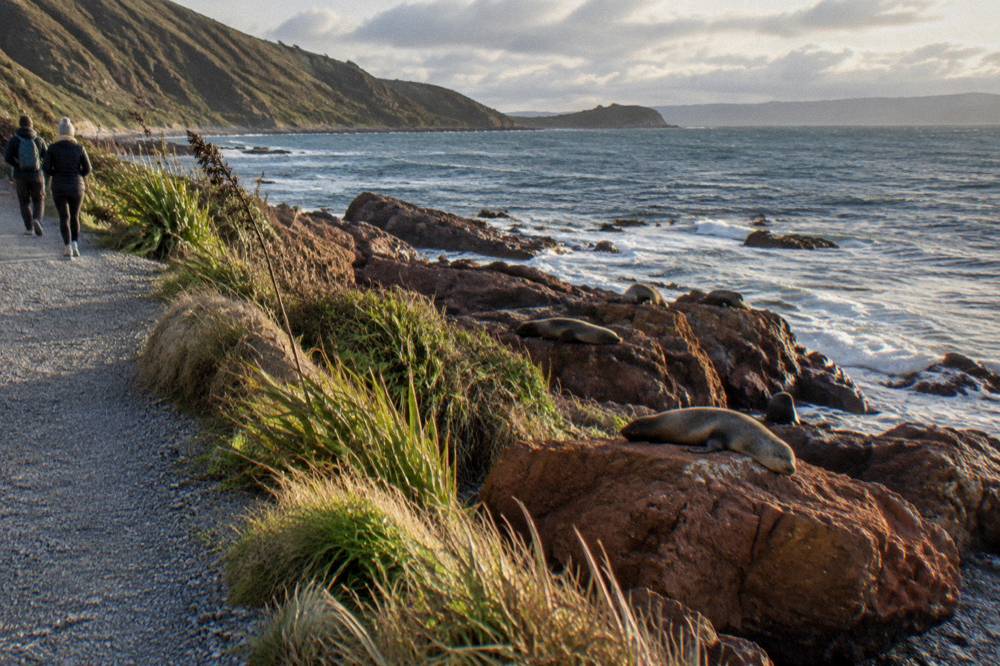
Wellington City Council says you can meet the kekeno in winter at Te Rimurapa, just beyond the Red Rocks.
What is safe to say is broader. Kekeno are present on this coast year after year, the population is growing, and winter is when the council frames the Red Rocks viewing. Beyond that, sightings depend on weather, tide and where the animals choose to haul out, which is exactly why no honest operator guarantees one. The best time of day piece works through the daily pattern, and the winter viewing guide covers the season the council names.
Weather planning matters on the south coast for its own sake. DOC describes the area around the nearby Taputeranga Marine Reserve, established in 2008 across 855 hectares, as having changeable weather and strong currents, and the wind on this coast is famous. Two different weather policies apply to the seal safaris: the Exclusive Access trip requires good weather and offers a different date or a full refund if poor weather cancels it, while the Wanderlust half-day runs in all weather, with routes that may change, and confirmed bookings can be moved to another day at no charge with at least 24 hours' notice. Both, in their own wording, offer a full refund if cancelled at least 24 hours before the start.
Can You See Seals Without A Tour At Red Rocks?
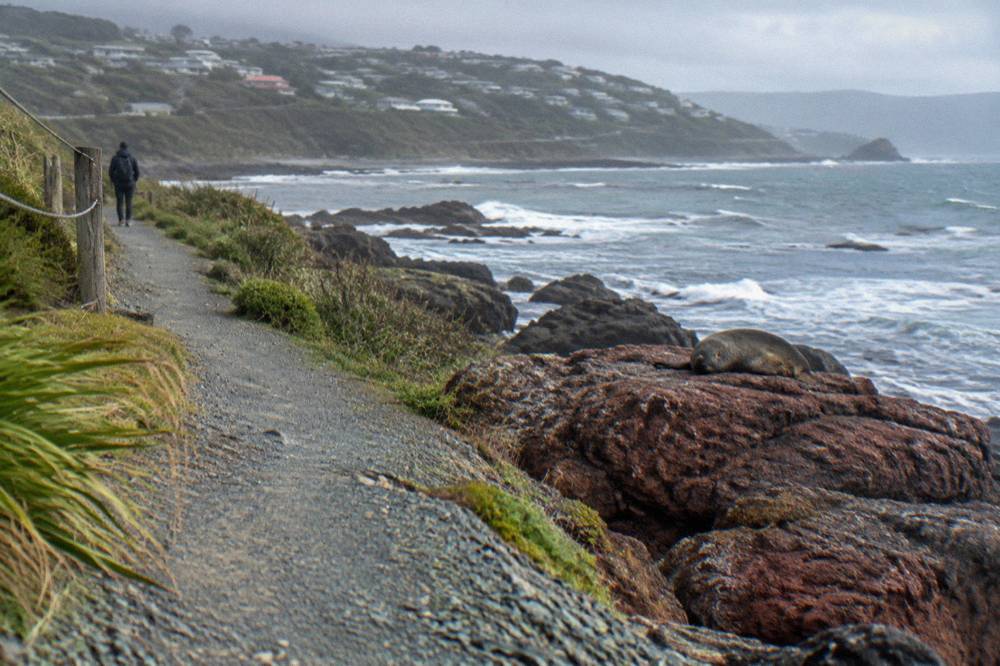
Yes, in principle: the Pariwhero Red Rocks Coastal Walk is a self-guided, easy, flat 7.4 km track from the car park at the end of Owhiro Bay, taking 2 to 3 hours return, on which the council says you can meet the kekeno in winter beyond Pariwhero. The unsealed route is uneven and unsuitable for 2WD vehicles, and the gate is closed to vehicles on Sundays, though walkers and mountain bikers can still pass.
The walk runs from Owhiro Bay, at the Te Kopahou Reserve entrance, past early-1900s baches to Devil's Gate at Te Rimurapa. The red rocks themselves are ancient volcanic pillow lava in greywacke, protected since the Red Rocks Scientific Reserve was created in 1972. Dogs must be on a lead and 20 m from wildlife. If you weigh the two approaches, the comparison of the Red Rocks walk versus a seal safari breaks down the trade-offs, and there is a separate answer on whether you need a 4WD.
The honest difference is not access but context. On the walk you are on foot, at your own pace, subject to the Sunday vehicle gate, and 7.4 km of uneven ground in Wellington wind. On the safari you are in a 4WD with a group of at most 10, picked up at your hotel, covering the private farmland coast at Cape Terawhiti that no public walk reaches. Neither guarantees a seal. This is where a Wellington Seal Safari booking earns its price, and why the featured Exclusive Access Seal Coast Safari tour page is worth a look for the route detail.
Is A Seal Safari Worth It From Wellington?
For most visitors with half a day, yes: the safari delivers hotel pickup, a 4WD route across private farmland to a coast you cannot drive yourself, and a 3 hour 30 minute outing from $110 to $111.80 per person, rated 4.9 across a combined 713 reviews. For a full day with a colony and a lighthouse, the Cape Palliser trips take over from $219 per person.
Budget decides most of it. The half-day safaris sit in the middle of the Wellington tour price ladder, well under the private Cape Palliser day, and well above the $40.13 Zealandia day tour, which is the cheapest tour on this site but sells birds, not seals. If your day is short, a cruise stop for example, the 3 hour 30 minute safari with cruise ship pickup fits; if you have a full day and want wine with your wildlife, the 10-hour Wairarapa loop does both.
For contrast, or for a second day in the region, the Kapiti Island classic day tour runs 5 hours from $186.34 per person on the Kapiti Coast at Paraparaumu Beach, not in Wellington, with lunch at The Lodge included, rated 4.8 across 576 reviews. It makes no seal claim, but it is the most reviewed tour this site tracks, and it shows the other half of the region's wildlife story. It requires good weather in the operator's own terms, with a different date or a full refund on poor-weather cancellation, and it reads a full refund if cancelled at least 24 hours before the start.
Whichever way you lean, book the coast day around the weather window rather than the calendar, give every seal its 20 metres, and treat any sighting as what it is: a wild animal choosing to be where you happen to be looking.
Common Questions About Seeing Seals In NZ
Where Can I See Seals In NZ?
Around Wellington, on the south coast via the Seal Coast Safari's route to Cape Terawhiti, at the Cape Palliser seal colony in the Wairarapa, or on foot on the Red Rocks walk. Five Wellington tours name seals in their itineraries; Zealandia and Kapiti Island tours do not.
Are Seals Guaranteed On A Wellington Seal Safari?
No tour listed here promises a sighting, and neither Seal Coast Safari listing states a sighting rate. The itineraries visit coastline where kekeno live, but the animals are wild and come and go on their own terms.
How Close Can I Get To A Seal?
Stay at least 20 m away on shore where you can, keep vehicles 50 m back, vessels 20 m from the water's edge, and swimmers 5 m. Never touch a seal or come between one and the sea.
What Is The Cheapest Seal Tour From Wellington?
The Wanderlust Half Day Seal Safari, from $110.00 per person for 3 hours 30 minutes. The near-identical Exclusive Access trip is from $111.80 per person, and both are run by the same operator.
Can Children Go On A Seal Safari?
The Seal Coast Safari pages do not state a minimum age, so the booking page is where age terms appear. On other tours, the Zealandia twilight tour sets a minimum age of 5 and the Zealandia night tour sets 12.
Can I Walk To See Seals Instead Of Taking A Tour?
Yes. The Red Rocks walk from Owhiro Bay is 7.4 km, 2 to 3 hours return, easy and flat, and the council says you can meet kekeno there in winter. The route is uneven and unsuitable for 2WD, and the gate closes to vehicles on Sundays.