What If A Seal Bites You On A Seal Safari In Wellington?
The rules that prevent seal bites are simple: never touch a seal and keep 20 metres back. Here is what to do if a bite or scratch happens.
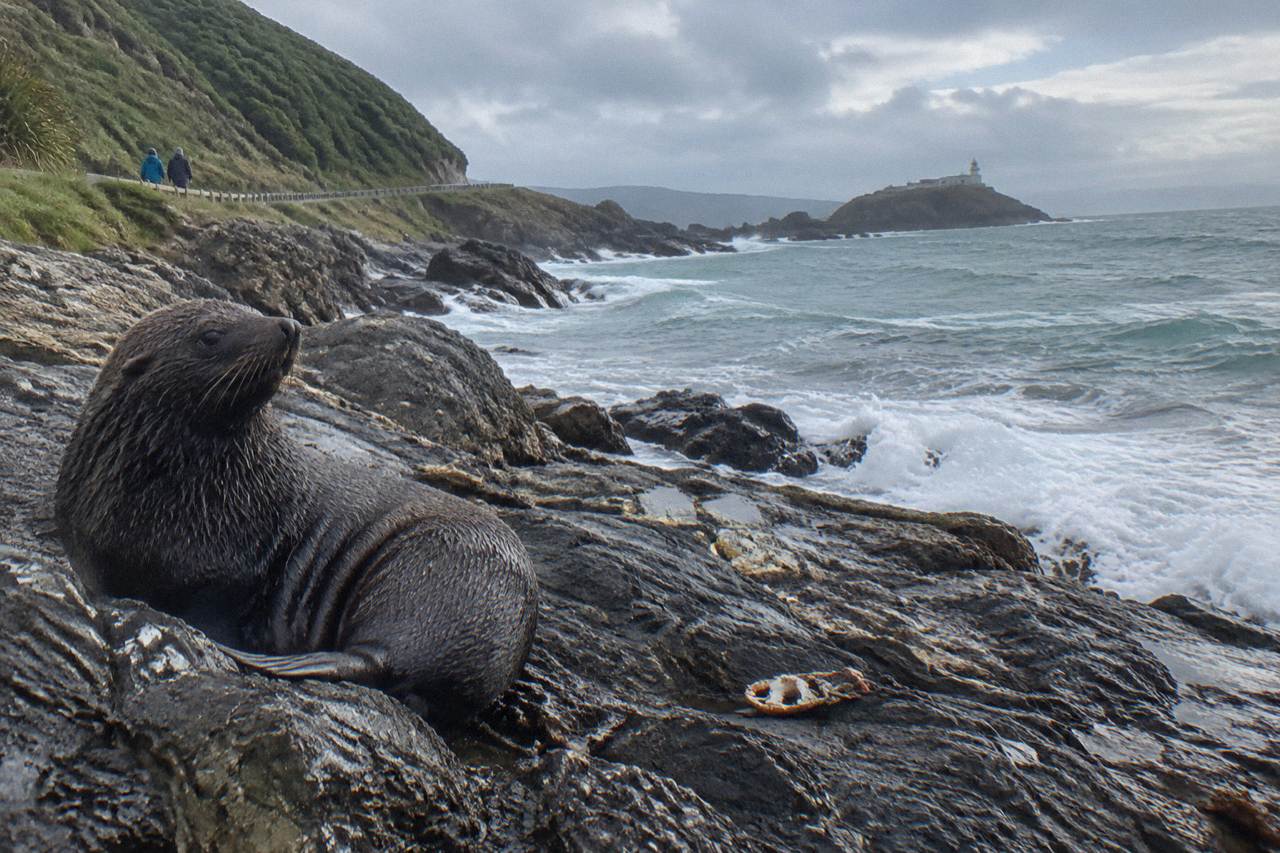
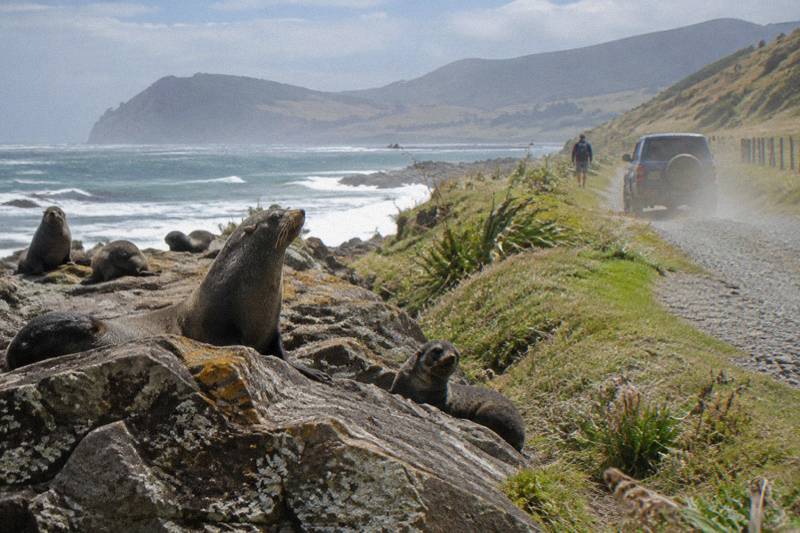
New Zealand fur seals, known to Maori as kekeno, are the most common seals in the country and their population is growing, with a Department of Conservation modelled estimate of 208,536 to 251,644 animals nationwide in 2026. More seals on more coastlines means more encounters between seals and people, and almost all of those encounters end fine. The small number that go wrong usually share one cause: somebody got too close. This page walks through the Wellington-specific reality of seal bites, the rules that prevent them, and exactly what to do if one happens.
What If A Seal Bites You?
If a seal bites you, get medical advice promptly, because seals can carry disease, and report the incident to the Department of Conservation hotline, 0800 DOC HOT (0800 362 468). The same hotline covers harassment, injury and entanglement reports for the seal itself.
Getting medical advice is common sense, not a DOC protocol. The Department of Conservation does not publish a step-by-step first-aid protocol for seal bites. A seal's mouth is not clean, an animal that bites was stressed or cornered before it bit, and the wound deserves professional attention rather than a home remedy from a travel article.
The second half of the answer concerns the seal. Bites almost always follow an approach, and the Marine Mammals Protection Act 1978 makes harassing or disturbing a seal an offence carrying a maximum penalty of two years in prison or a fine up to $250,000. If a bite happens during an approach that the seal experienced as harassment, the legal exposure may run in the other direction. Stepping back, leaving the area, and calling the hotline is a sensible sequence.
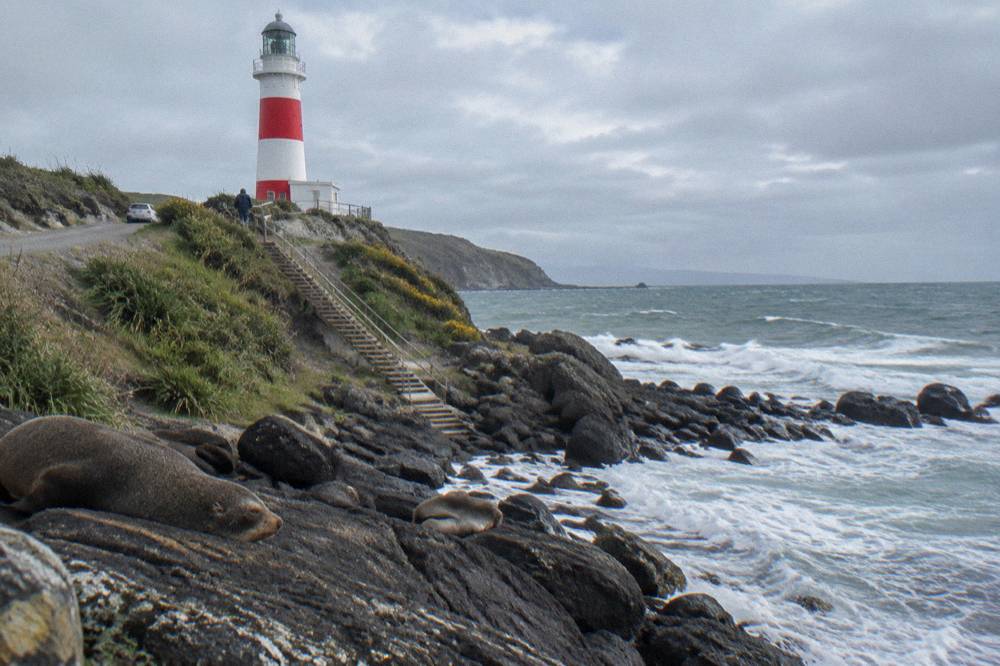
For context on the Wellington product itself, the two dedicated seal safaris on this site, the Exclusive Access Seal Coast Safari from $111.80 per person and the Wanderlust Half Day Seal Safari from $110 per person, are 4WD experiences of 3 hours 30 minutes with pickup from your Wellington hotel or the cruise terminal. Guided tours exist partly to manage exactly this risk, keeping groups at a distance and interpreting behaviour. Wellington Seal Safari compares both options in detail, including a straightforward look at the half-day safari itinerary.
How Close Can You Get To A Seal In Wellington?
The Department of Conservation says stay at least 20 metres from seals onshore where you can, and never put yourself between a fur seal and the sea. For vehicles, do not drive closer than 50 metres to a marine mammal where you can avoid it; for vessels the figure is 20 metres from the water's edge where seals may be present, and swimmers must keep 5 metres away.
Those four numbers, 20, 50, 20 and 5, are the backbone of every seal-safety conversation in New Zealand, and they apply from Owhiro Bay to Cape Palliser. They are not advisory courtesies. The 20-metre onshore distance exists because a seal on land is not a docile creature having a rest, it is an animal with a bite radius, a stress response, and, in the case of a mother with a pup, a powerful reason to defend the spot it is sitting on.
The rule about never coming between a seal and the sea deserves emphasis, because it is the one people break by accident. A seal that feels cut off from its escape route panics, and a panicked seal charges. On a narrow beach track like the Red Rocks coastal walk, a 7.4 km return route along the shore from Owhiro Bay, the practical reading is to give any animal a wide berth on the landward side and keep moving. Even a seal that shuffles close and looks friendly can tempt people to reach out, and what a seal's friendly approach really means explains why staying back is the safe and legal answer.
Dogs are part of the distance story. The official guidance is to keep dogs on a leash and well away from seals, and Wellington City Council repeats the 20-metre rule for the Red Rocks route specifically. A dog that runs at a seal can provoke a bite to the dog, a bite to the person who intervenes, and, in the worst case, a pup abandoned if the mother is disturbed. Pups can be abandoned if disturbed, which is why the guidance also says do not feed seals, avoid loud noise, and keep children back.
Do Seals Bite People Often In New Zealand?
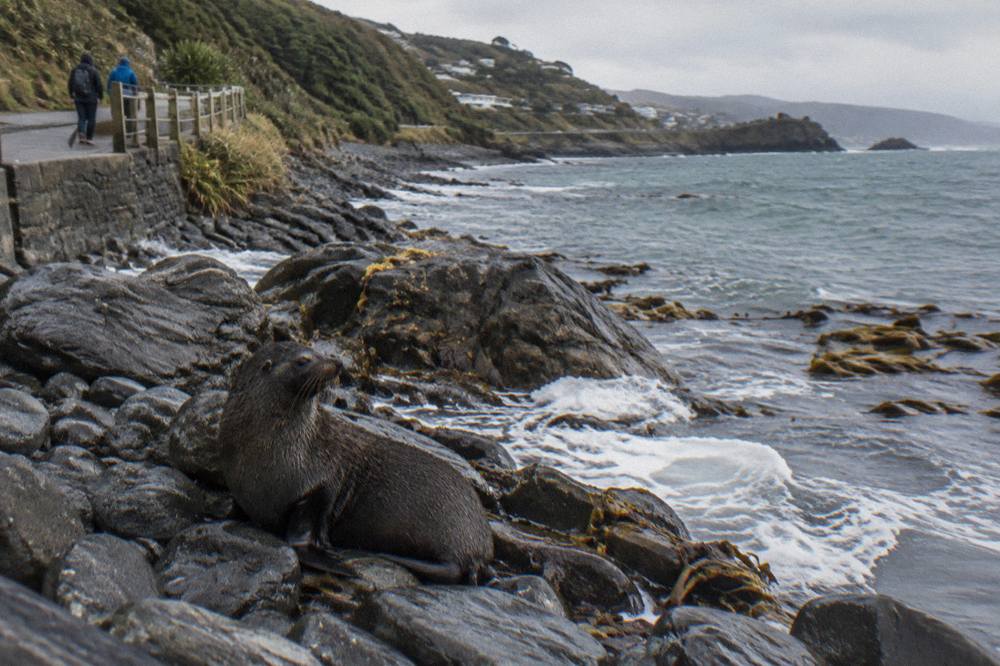
No, and the bites that do happen are overwhelmingly bites of provocation rather than ambush. The Department of Conservation describes seals as capable of aggression and of carrying disease, which is why touching one is banned, but seals do not hunt people or attack unprovoked at distance. Every element of the official guidance is built on one premise: the danger appears when the distance closes.
Bite risk concentrates in a few predictable situations. The first is direct touching, which the guidance prohibits outright; never touch a seal, they can be aggressive and carry disease. The second is photography that quietly erodes the distance rule, including the selfie problem: Taputeranga Marine Reserve's official guidance, for a reserve just 6 km from the Wellington city centre, says explicitly do not take selfies with seals. A selfie camera at arm's length puts a face inside the bite radius of an animal that was 20 metres away ten minutes earlier.
The third situation is a pup encounter. People find a pup alone, assume it is abandoned, and pick it up. Mothers regularly leave pups while they feed, so the assumption is usually wrong, and the intervention converts a healthy pup into a stressed one and the rescuer into a bite victim. The hotline exists for exactly this judgement call, 0800 DOC HOT, staffed to tell you whether the animal needs help.
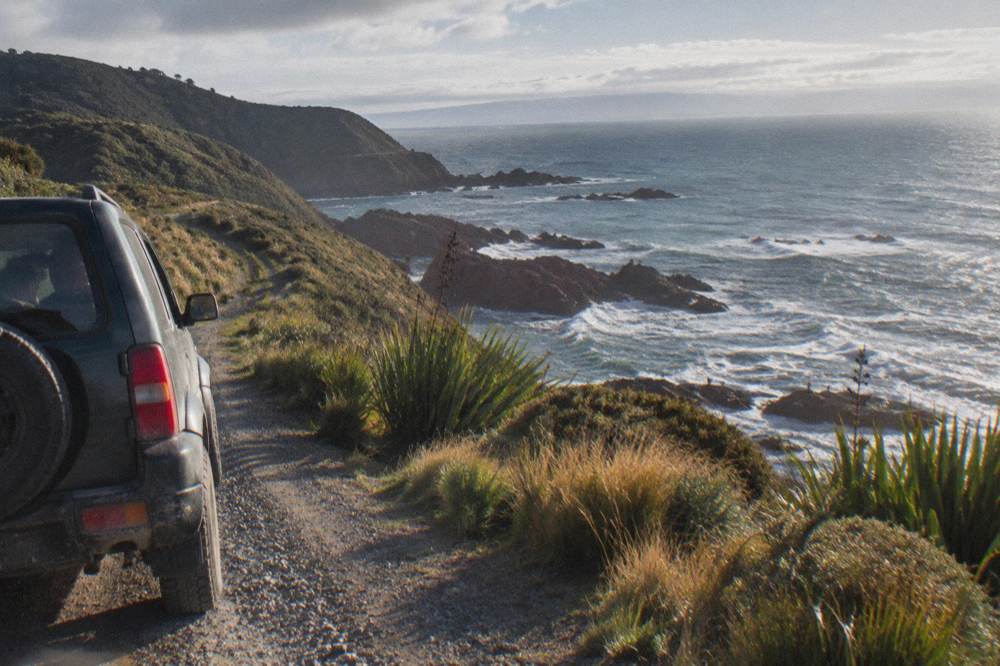
The fourth is dogs, covered above. Beyond those four scenarios, a wild kekeno that can see you at 20 metres and has a clear path to the water will almost always choose the water. Readers weighing the risk against the reward can also skim how close the safari experience keeps you for the tour-side version of the same question.
Are Seal Bites Dangerous Because Of Infection?
The stated reason never to touch a seal combines two dangers: seals can be aggressive, and they can carry disease. Any bite, scratch, or contact with seal saliva on broken skin warrants medical advice, not a decision made on the beach about whether it looks serious.
The aggression half of that sentence explains the bite itself. The disease half explains why the wound is not treated like a clean cut. Seals can carry disease, as DOC notes, and the guidance does not attempt to rank the risks; it simply removes the exposure by banning contact.
Two practical consequences follow for Wellington visitors. One, the 20-metre rule is the prevention, and it works only if it is applied to every seal, including the ones that look asleep, and to every pup that looks helpless. Two, if contact happens anyway, the response is get medical advice, promptly, even for a small wound, and then report through the hotline so the animal can be monitored. Wellington has hospital and urgent care access within the city, so the "promptly" part is easy to honour on a south-coast outing in a way it might not be further afield.
| Situation | Official rule or response | Where it applies |
|---|---|---|
| Approaching a seal onshore | Stay at least 20 m away where you can; never get between a seal and the sea | Any coast, including Owhiro Bay and Taputeranga Marine Reserve |
| Driving near a seal | Do not drive closer than 50 m where you can avoid it | Unsealed coastal routes such as the Red Rocks track |
| Swimmers and vessels | Vessels 20 m from the water's edge where seals may be present; swimmers 5 m | Taputeranga Marine Reserve and coastal waters |
| A bite or scratch | Get medical advice; report via 0800 DOC HOT (0800 362 468) | Everywhere |
| Touching, feeding, drones | Never touch or feed; drones near marine mammals need DOC authorisation | Everywhere |
Which Wellington Tours Put You Near Seals?
Five of the twelve tours on this site name seals in their itinerary: the two Seal Coast Safari booking pages, the two Cape Palliser day trips, and the Private Full Day sightseeing tour with its Red Rocks stop. The other seven, the Zealandia and Kapiti Island tours and the City to Coast tour, make no seal claim at all, so bite risk is simply not part of those experiences.
Starting with the seal-named five, each runs a set itinerary from a Wellington pickup. The Exclusive Access Seal Coast Safari runs from $111.80 per person for 3 hours 30 minutes, carries a maximum of 10 guests, and picks up from your Wellington hotel or the cruise ship; its cancellation terms read a full refund if cancelled at least 24 hours before the start. Its sibling, the Wanderlust Half Day Seal Safari, is from $110 per person for the same 3 hours 30 minutes, with central Wellington or cruise terminal pickup and the same 24-hour refund wording. Both run in 4WD vehicles, and the featured page names Cape Terawhiti via Terawhiti Station on its itinerary.
The Cape Palliser pair trade the half-day format for full days in the Wairarapa. The Martinborough Winery day trip is 10 hours from $219 per person and includes the Ngawi seal colony and the Cape Palliser Lighthouse among its stops, with lunch and dinner on the itinerary. The private Scenic Full Day version is from $359.48 per person with lunch included. The road to Cape Palliser deserves one flag before any independent driving: check the South Wairarapa District Council road alerts first.
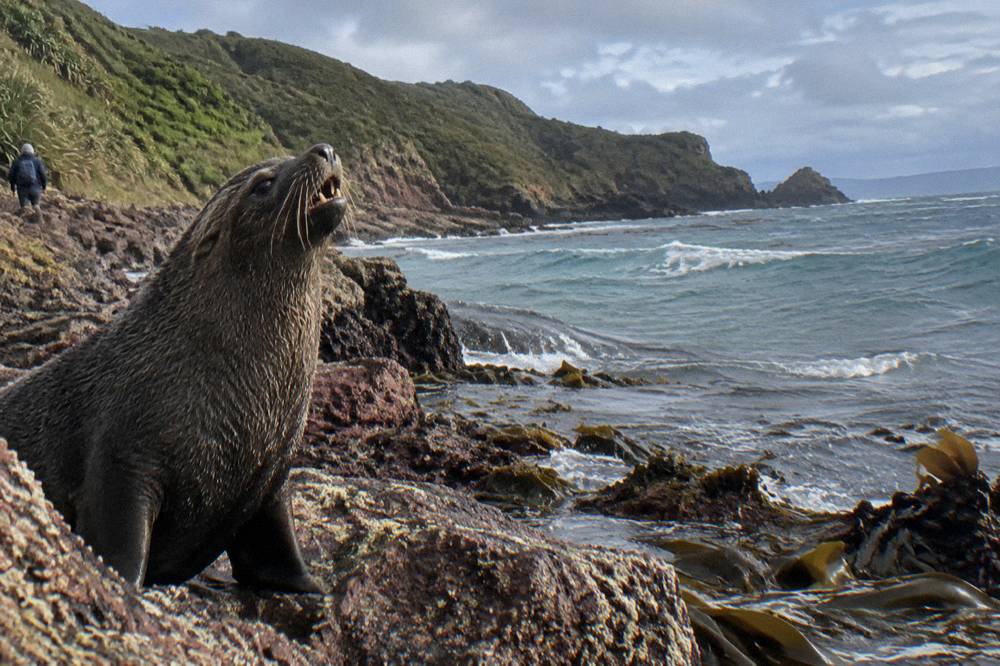
The fifth seal-named tour is the Private Full Day sightseeing tour, 7 hours from $206.40 per person with lunch, which lists Red Rocks among its stops, with seals in their natural environment. For readers comparing the self-drive alternative against these, the hire-car versus safari comparison covers the distances and Sunday gate closure at Red Rocks in detail, and the DOC figures for Cape Palliser, including a preliminary count of at least 1,000 pups in the 2025/26 season, sit in the Cape Palliser seal colony guide.
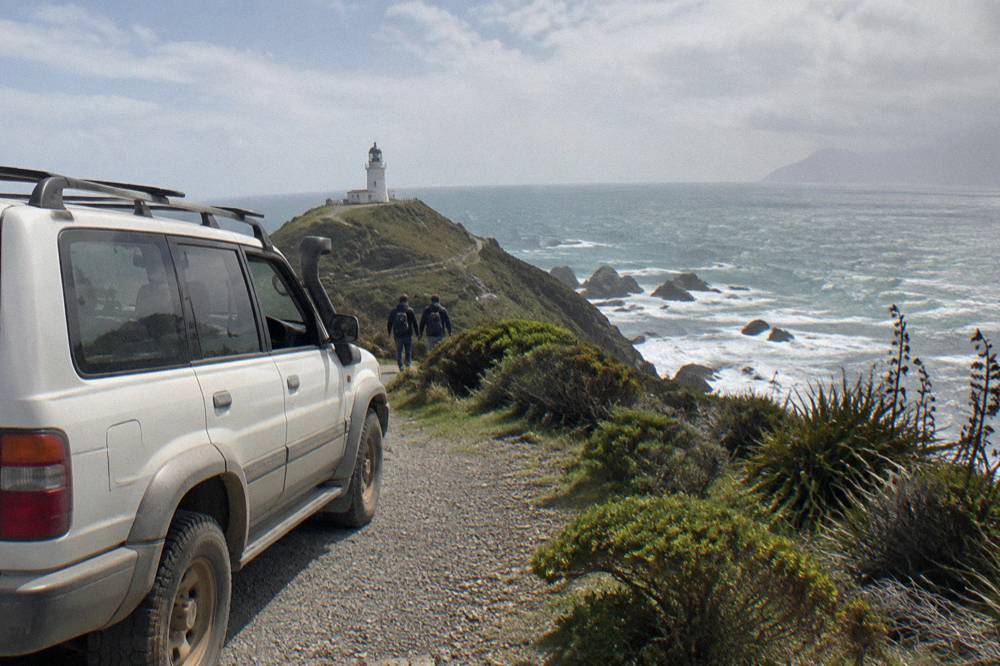
Can Children Go On A Wellington Seal Tour Safely?
Yes, within each tour's own terms, and the distance rules are the reason it works. Children are explicitly part of the official guidance: keep children back, keep dogs away, and stay 20 metres from the animal. On a tour the operator sets the spacing; on a self-guided walk at Red Rocks, that job belongs entirely to the adults in the group.
Stated minimum ages are few. The Zealandia Twilight Guided Eco Tour sets a minimum age of 5, and the Zealandia Night Tour sets 12; those are wildlife-sanctuary tours that make no seal claim, but they show how age floors are used when operators set them. Any age or health terms for a specific departure appear on the booking page for each of the two Seal Coast Safari booking pages. Health terms that are published matter here: the Seal Coast Safari booking page says the experience is not recommended for travellers with back, neck or heart conditions or pregnancy, and is not wheelchair accessible, which speaks to the rough-ride nature of the 4WD route rather than to seal contact.
The family framing worth keeping is behavioural rather than commercial. A child who understands three rules, stay back, stay quiet, stay between the adults and the car, is a safe child on any seal coast. The guidance about pups doubles as a parenting instruction: pups can be abandoned if disturbed, so a pup is not a photo prop and not a rescue project. Families weighing the full question can read the dedicated page on children on a Wellington seal safari before deciding.
What Should You Do If You Find An Injured Seal?
Call the hotline, 0800 DOC HOT (0800 362 468), and do not intervene yourself. The hotline covers harassment, injury and entanglement, and it is the single point the Department of Conservation gives the public for every seal situation from a bite victim to a stranded pup. Keep your distance, keep dogs away, and let the trained responders do the handling.
The temptation to act directly is strong on a Wellington beach, because south-coast walks put people within sight of the animals regularly. The council's own Red Rocks guidance repeats the dog, leash and 20-metre rules for exactly this reason. A wounded or entangled seal is a frightened animal with reduced options, which makes it more dangerous to approach than a healthy one, not less. The entanglement case is the sharpest example: cutting netting or line free requires handling the head end of the animal, and no member of the public is equipped, trained or legally positioned to do that.
Reporting well is a skill. Note the location precisely, the Owhiro Bay car park, a marker on the coastal walk, a bay name, note what you can see from distance, the animal's size, whether it is moving, whether there is visible netting or injury, and note the time. Then call, and stay well back. Responders would rather take a call that turns out to be a resting seal than arrive to find a genuine entanglement reported three hours late because a passer-by was unsure.
The same number serves the harassment case, and harassment is worth reporting even when no contact occurred. A person chasing a seal for a video, or a dog loose among a haul-out, is creating the conditions for a bite that has not happened yet. The 1978 Act's penalties, up to two years in prison or a $250,000 fine, are enforced on reports that begin with this phone call.
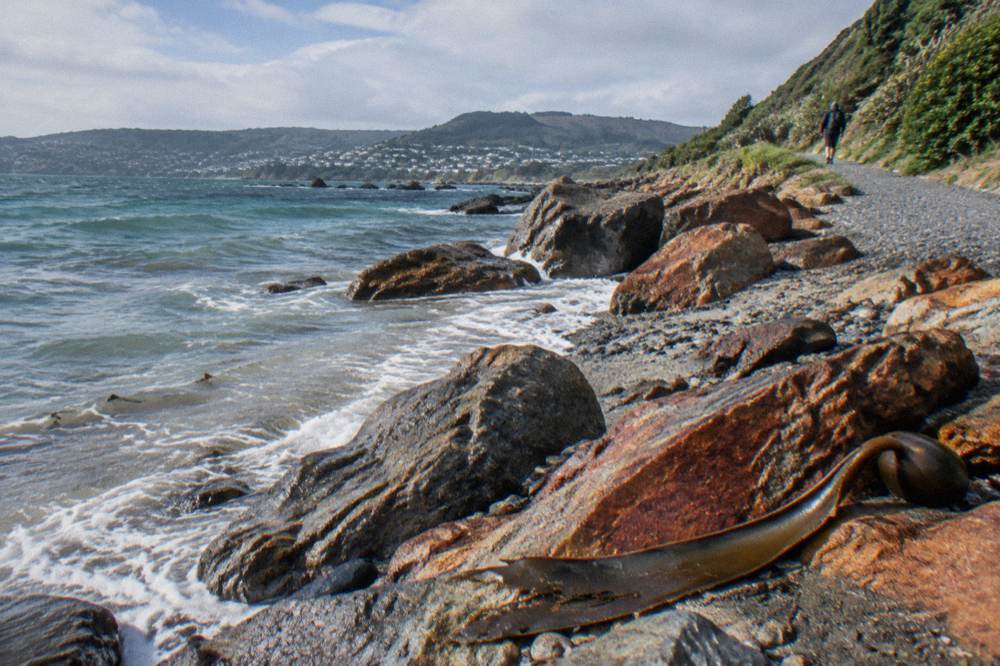
Should Bite Risk Stop You From Booking A Seal Safari?
No, because the risk profile of a seal safari is closer to wildlife viewing from a vehicle than to handling an animal, and the prevention is entirely within your control: keep the distances. Bites belong to the touching-and-approaching category of encounter, and a safari deliberately keeps you out of that category.
The decision logic is worth spelling out. Everything above reduces to three behaviours that apply to any seal coast in New Zealand: never touch, keep 20 metres where you can, and never block the path to the sea. The Exclusive Access Seal Coast Safari caps groups at 10 and moves through private farmland at Terawhiti Station to Cape Terawhiti in a 4WD vehicle, and it is rated 4.9 across 371 reviews. Check availability if the format fits, and read the tour's full profile first.
The same logic extends to the private sightseeing option, 7 hours from $206.40 per person with lunch and a Red Rocks stop, where the guide likewise manages the viewing distance, and to the full-day Cape Palliser trips where the seal colony is a scheduled stop rather than a chance encounter. Weather awareness rounds out the preparation: the south coast is windy and the weather changes quickly, and each tour's weather terms sit on its own booking page and differ from one to the next.
Knowledge is the last layer. Knowing that kekeno bulls, cows and sub-adult males behave differently, that a breeding group is called a harem, and that DOC's nationwide modelled estimate runs from 208,536 to 251,644 animals, tells you the coast you are visiting is a working seal coast, not a petting zoo. The beginner's guide to fur seal tours around Wellington collects the rest of the natural history worth knowing before you go, and the weather and wind page covers what the coast throws at the unprepared.
Common Questions About Seal Bites In Wellington
What If A Seal Bites You?
Get medical advice promptly, because seals can carry disease, then report the incident to the DOC hotline, 0800 DOC HOT (0800 362 468). Do not attempt any treatment of the scene or the animal yourself.
How Close Can You Legally Get To A Seal?
Stay at least 20 metres from seals onshore where you can, keep vessels 20 metres from the water's edge where seals may be present, keep swimmers 5 metres away, and do not drive closer than 50 metres to a marine mammal where you can avoid it.
Is It Illegal To Touch A Seal In New Zealand?
Yes. Seals are protected under the Marine Mammals Protection Act 1978, and harassing or disturbing one carries a maximum penalty of two years in prison or a fine up to $250,000. Touching a seal is expressly against the guidance because seals can be aggressive and carry disease.
What Number Do I Call About An Injured Seal In Wellington?
Call 0800 DOC HOT (0800 362 468) for harassment, injury or entanglement. Give the precise location, what you can see from a distance, and the time, then stay well back and keep dogs away.
Can I Fly A Drone Near Seals To Film Them?
Drones near marine mammals need Department of Conservation authorisation. Filming from a distance on foot, keeping 20 metres or more away and without a selfie, is the permitted default.
Do Wellington Seal Tours Guarantee A Sighting?
No tour on this site promises a seal sighting. Five of the twelve tours name seals on their itinerary; the rest make no seal claim. Seals are wild animals and sightings depend on the day.