What Time Of Year Are Seals At Red Rocks?
The Wellington City Council says the kekeno at Red Rocks are a winter encounter. This guide explains what that means month to month, how the walk changes, and how to pick a seal safari date.
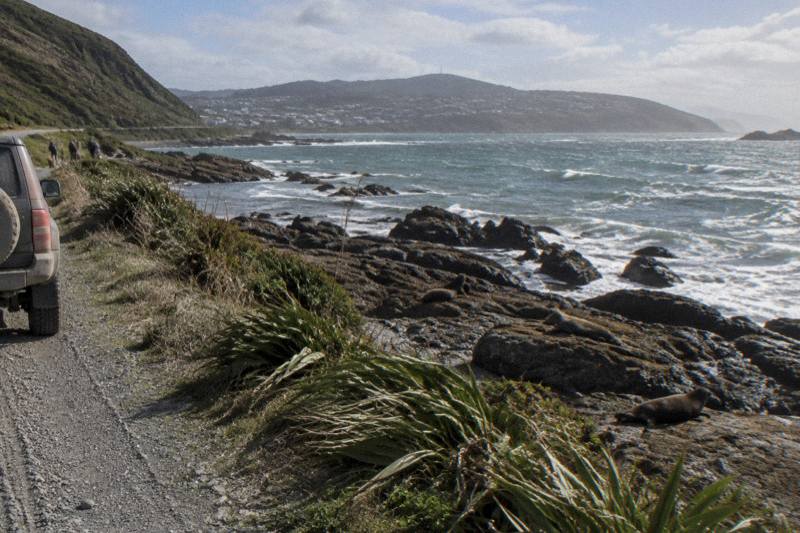
Wellington's south coast is one of the few places in New Zealand where you can walk to a seal viewing area from a capital city suburb, and the timing question is the one readers ask first. The answer sits on a Wellington City Council page about the Pariwhero Red Rocks Coastal Walk: the council says you can meet the kekeno, the New Zealand fur seal, in winter, just beyond Pariwhero at Te Rimurapa. That single word, winter, is the only official seasonal marker for this coast, and it deserves unpacking, because the commercial tours tell a different and equally honest story: the Seal Coast Safari, which goes to Cape Terawhiti rather than Red Rocks, names seals on its itinerary, and neither booking page promises a sighting.
This page works through what winter actually means at Red Rocks, why seals behave the way they do through the year, how the walk itself changes with the seasons, and how to fold all of that into a Wellington seal safari booking. The wildlife facts come from the Department of Conservation, the track facts from the council, and every tour figure from each tour's booking page. Once you've settled on a season, the guide to reaching the seal colony without a four wheel drive walks through the coastal route, the council's advice on standard cars, and the safari alternative.
The Wellington City Council describes the kekeno at Red Rocks as a winter encounter, found just beyond Pariwhero at Te Rimurapa, and it prints no month range and no seal count. The commercial seal safaris that operate on this coast are not seasonal either, and none of them promises a sighting. Winter is therefore the plan-around season, not a guarantee, and any date you pick should be booked as a coast visit that may include seals.
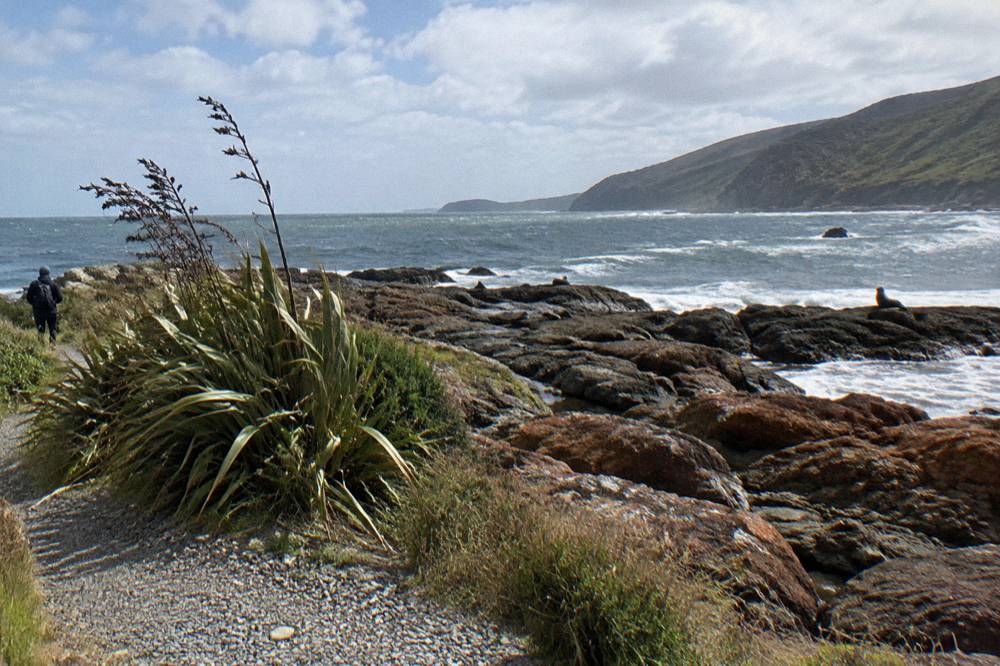
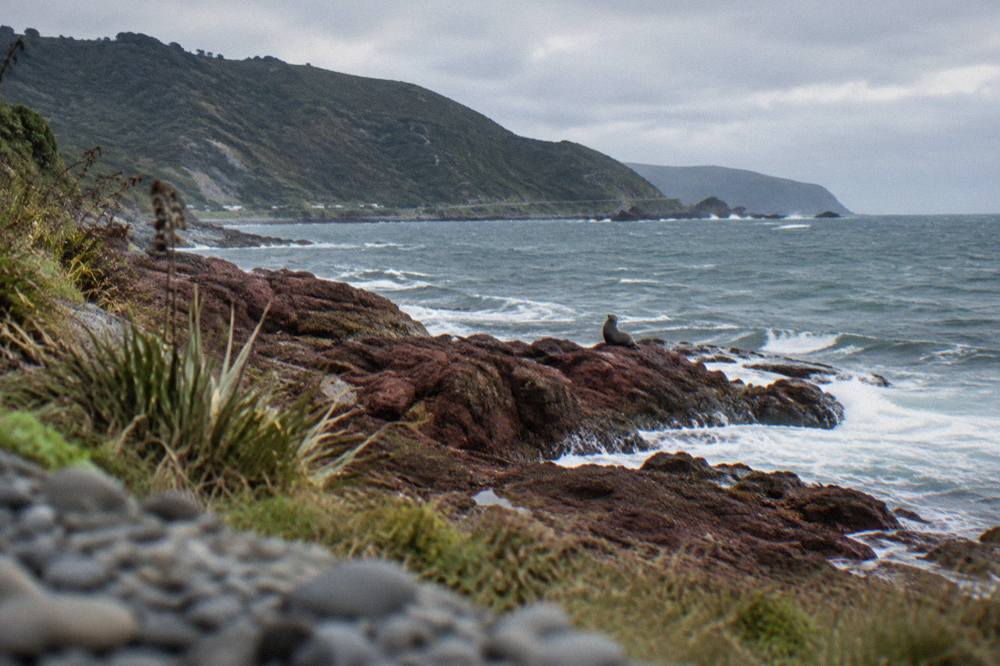
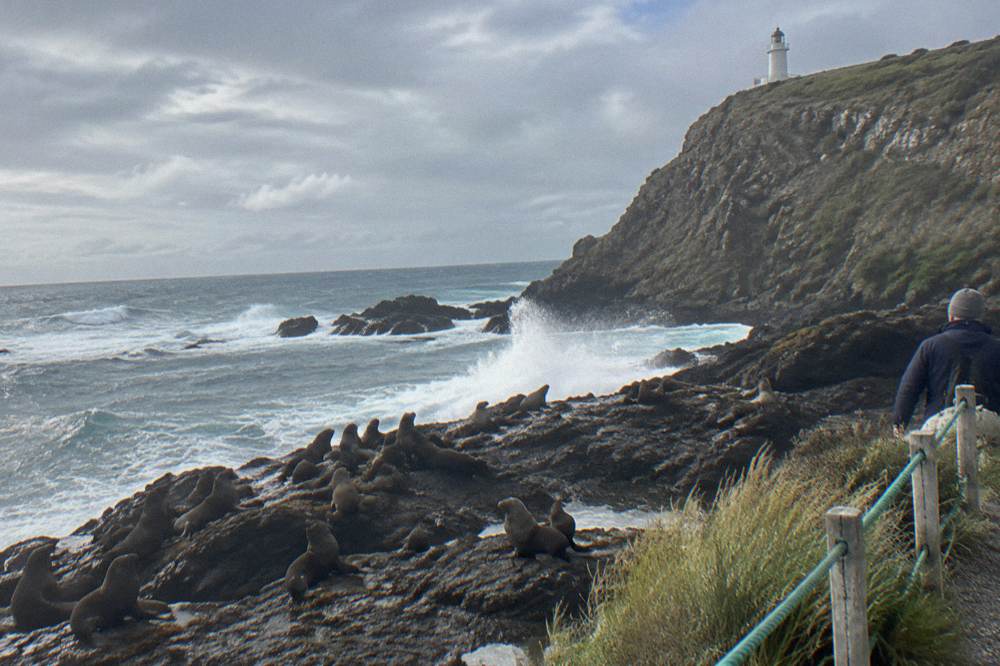
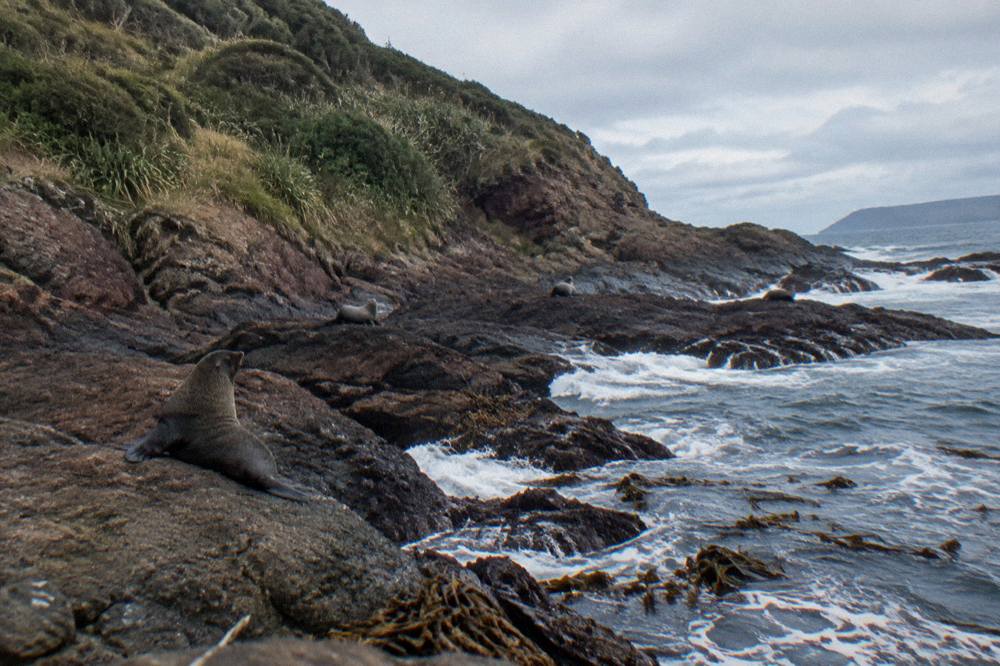
The council's wording matters because it is the only official seasonal claim for this stretch of water. Fur seals are not migratory visitors to Wellington in the way whales are; the kekeno is a resident New Zealand species whose population is growing, and DOC's nationwide modelled estimate for 2026 puts them at 208,536 to 251,644 animals. What changes through the year is where they haul out and in what numbers, not whether the species is present in the region. Winter, on the council's account, is when the animals gather in the places walkers can reach, which at Red Rocks means the area beyond the red rocks themselves, at Te Rimurapa.
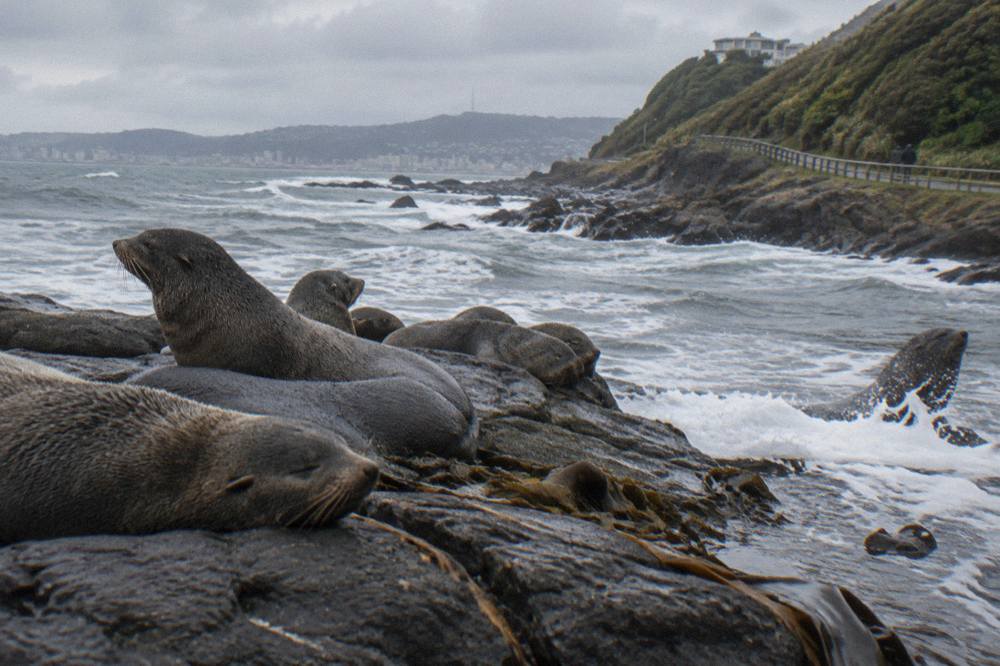
That is a harder claim than it sounds. A winter-focused pattern fits what is known about kekeno breeding and resting behaviour generally: seals congregate at colony sites around breeding and moult periods, and disperse more widely at other times, with young males in particular travelling far along the coastline. DOC calls these immature males sub-adult males or bachelors, and a solitary bachelor hauled out on a south coast rock is possible on any day of the year. So the honest reading of the council's advice is that winter is when the odds and the numbers are best described, while a chance encounter outside winter is real but not something anyone will promise you.
If your travel dates are fixed and they fall outside winter, that is not a reason to skip the coast. The walk is worth doing for the geology alone: Red Rocks Scientific Reserve was created in 1972, and the red rocks themselves are ancient volcanic pillow lava set in greywacke, a genuinely striking formation on an easy flat track. It simply means you should treat seals as the possible highlight rather than the booked outcome, and consider a safari, which reaches different coastline entirely.
When Can You See Seals At Red Rocks In Wellington?
The council says you can meet the kekeno in winter just beyond Pariwhero at Te Rimurapa. No month range, headcount or sighting rate for Red Rocks is published.
The distinction between presence and congregation is the whole answer to this question. Kekeno are the most common seals in New Zealand, and a growing population means more animals exploring more coastline, including the Wellington south coast and the Taputeranga Marine Reserve that sits just offshore. Taputeranga was established in 2008 and covers 855 hectares about 6 km from the city centre, and its rules matter to anyone seal watching from the shore: no fishing or gathering of marine life, dogs on a lead and at least 20 m from seals, no feeding, and no selfies with them. The reserve's conditions, strong currents and changeable weather, are the coast's conditions too. For the full story on what those furry seals are actually called, and which Wellington boat trips list them by name, see the guide to kekeno names and seal-spotting tours.
DOC's guidance for seal encounters is simple: stay at least 20 m from seals onshore where you can, never come between a fur seal and the sea, never touch one, because they can be aggressive and carry disease, and keep dogs on a leash and well away. Those rules are the reason a distant pair of binoculars beats an approach, every single time.
For readers weighing a guided option against the free walk, the comparison guide on Red Rocks walks versus seal safaris breaks down the trade-offs in detail. The short version: the walk is free, self-guided and council maintained, while the safaris use 4WD vehicles to reach Cape Terawhiti across private farmland, a completely different headland with its own access story. Neither product family states a season, and both are sold as coastal tours on which seals are named on the itinerary.
Picking between them is mostly a question of budget and time, not season, since none of the three ties itself to particular months.
How The Seal Season Shapes A Wellington Seal Tour Booking
Check dates on the booking page for the Seal Coast Safari and the private full day sightseeing tour; the council describes the Red Rocks kekeno in winter. A full refund applies if you cancel at least 24 hours before the start.
That 24 hour refund window is worth internalising before you attach a safari to a tight itinerary. It is stated separately on each tour's own booking page, so check the wording on the specific product you book rather than assuming a shared policy. Weather handling differs too, and this is where the two safari booking pages genuinely part ways: the Exclusive Access Seal Coast Safari says the experience requires good weather and that a poor-weather cancellation gets a different date or a full refund, while the Wanderlust half day product says the safari runs in all weather, that weather and other conditions may lead to route changes, and that a confirmed booking can be moved to another day at no charge with at least 24 hours notice. Same operator family, different platforms, different weather terms. Neither statement is a sighting policy; both are operational ones.
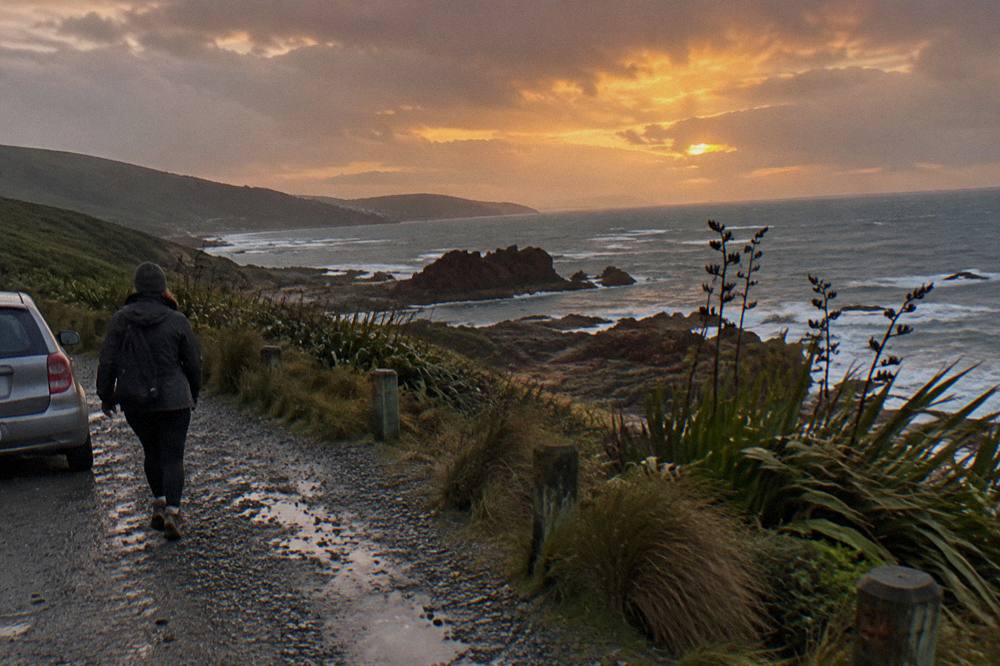
Winter weather on this coast is its own planning variable. The south coast is windy and the weather changes quickly, which DOC flags for the marine reserve and which every local knows about the wind funnelling around Cook Strait. Practical consequences follow: dress in layers you can seal against the wind, expect the unsealed section of the Red Rocks route to be uneven in any season, and build a spare morning into a winter trip so a weather-driven change of date does not cost you the experience. The site's guide to Wellington seal safari weather and wind goes deeper on this.
Daylight is the other seasonal constraint nobody prints on a booking page. New Zealand daylight saving runs from the last Sunday in September to the first Sunday in April, so a winter visit gives you shorter days in which to fit a 3 hours 30 minutes safari plus a walk plus the drive back from Owhiro Bay. A summer visit gives you long evenings but leans on the chance-encounter pattern described above. Neither is wrong; they are different trips.
Is a winter date worth locking in early? The featured safari, the Exclusive Access Seal Coast Safari, caps its group at 10 people per 4WD departure, from $111.80 per person for 3 hours 30 minutes with Wellington hotel or cruise ship pickup. A full refund up to 24 hours before the start removes most of the risk of booking ahead.
What Changes On The Red Rocks Walk Through The Year?
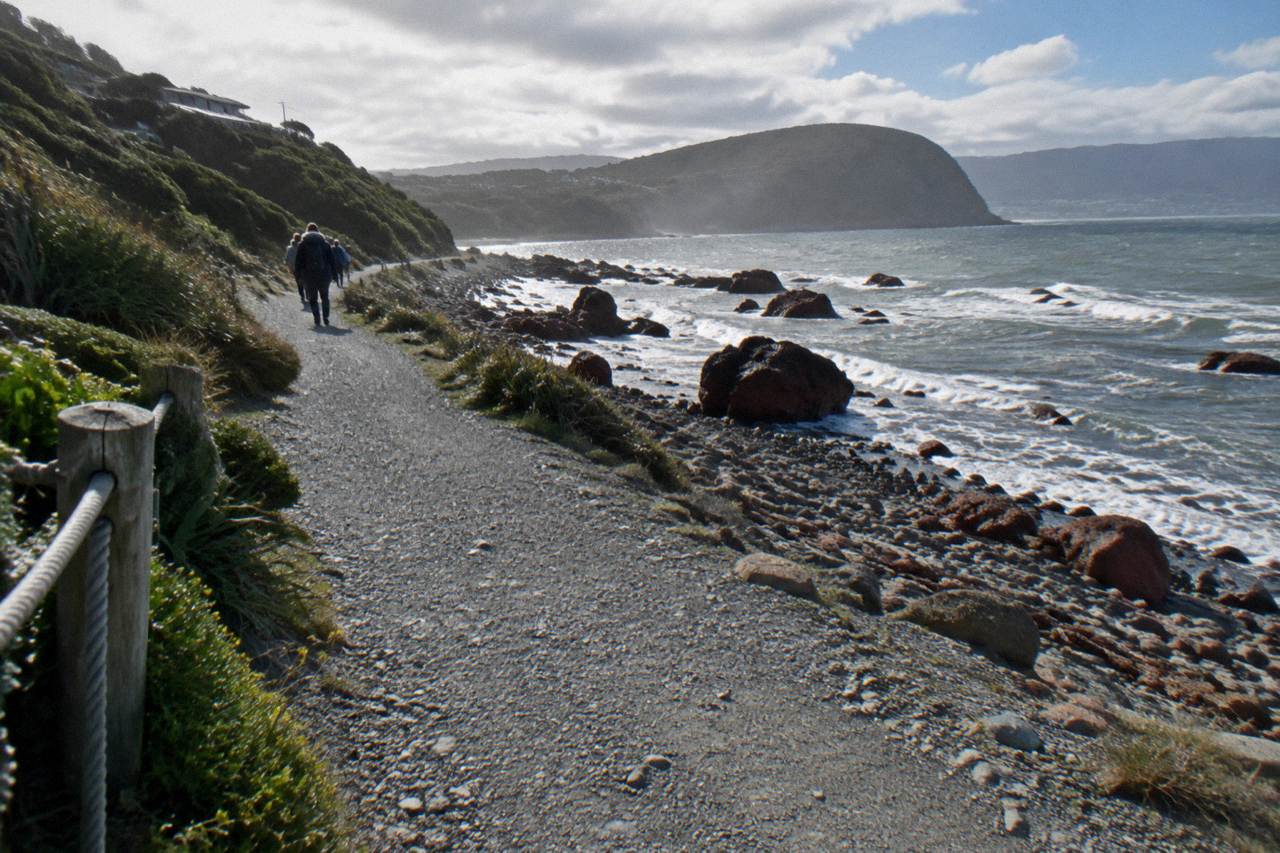
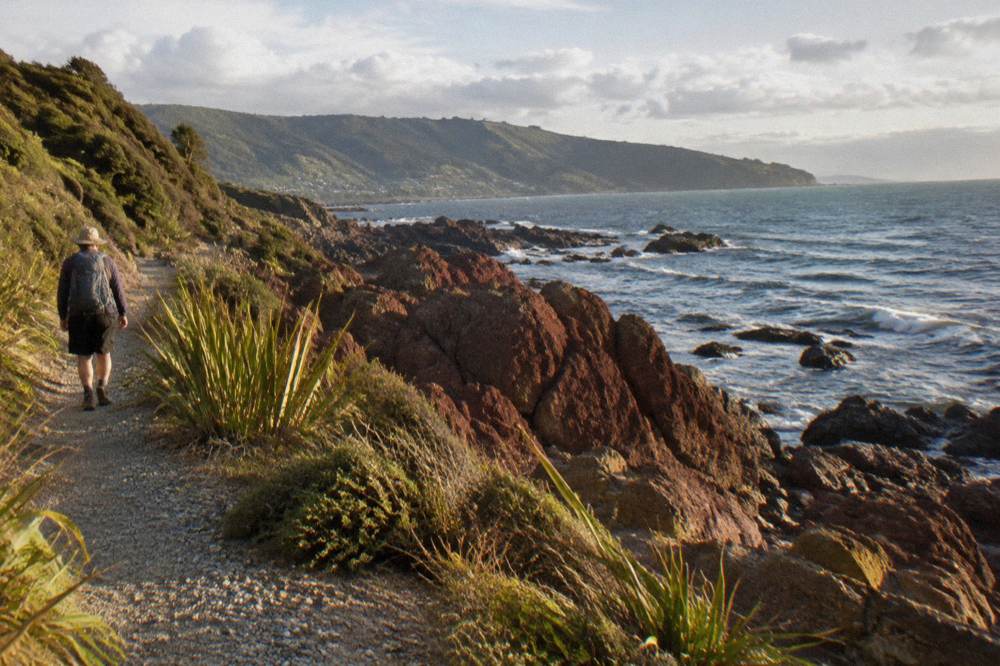
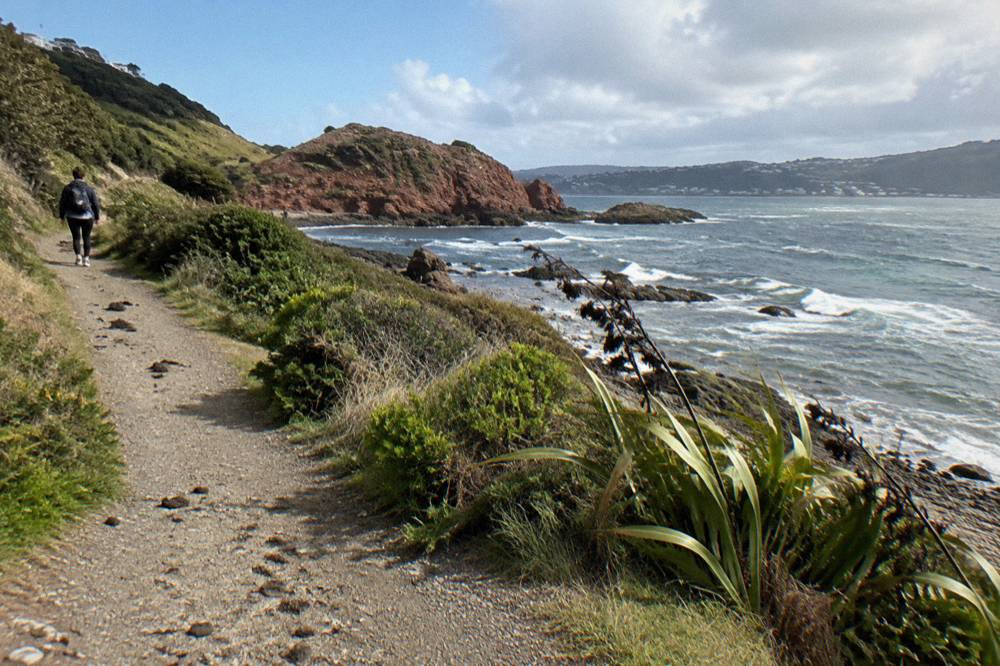
The walk itself, 7.4 km and 2 to 3 hours return from the car park at the end of Owhiro Bay, can be done in any season, but two things shift: the gate at the Te Kopahou Reserve entrance is closed to vehicles on Sundays, open to walkers and mountain bikers, and the unsealed route stays uneven and unsuitable for 2WD vehicles. Winter adds the described seal gathering and rougher weather.
The Sunday gate closure catches a lot of visitors out, so it deserves its own sentence: if your free day is a Sunday, the coastal route past the gate is walk-in and cycle-in only, and driving to the seal area is off the table that day regardless of season. The rest of the week, the council describes the route as suitable for 4WD, walking or cycling, with dogs permitted on leads and required to stay 20 m from wildlife. The track passes the early-1900s baches that survive along this stretch of coast before reaching Devil's Gate at Te Rimurapa, which is the landmark the council ties to the winter kekeno encounter.
Season by season, the practical picture looks like this, using only what the council and DOC actually say:
| Season | What the official sources say | What it means for your visit |
|---|---|---|
| Winter | The council says you can meet the kekeno just beyond Pariwhero at Te Rimurapa | The confident season for seal-focused walking; shortest daylight, most wind, warm layers essential |
| Spring | No seasonal claim is made for Red Rocks | Chance encounters remain possible; track and gate rules unchanged |
| Summer | No seasonal claim is made for Red Rocks | Longest daylight and easiest walking; seals are a bonus, the pillow lava geology is the draw |
| Autumn | No seasonal claim is made for Red Rocks | Same as spring: open track, no congregation described, standard DOC distances apply |
Note what is deliberately absent from that table: months, counts and percentages. The council does not publish a seal count or a month range for Red Rocks, DOC does not publish one for this site. The Cape Palliser colony on the Wairarapa coast is the one regional site with a printed DOC figure, a preliminary direct count of at least 1,000 pups in the 2025/26 breeding season, treated with caution by DOC itself, and that colony is a full day trip from Wellington rather than a suburb walk. The two Cape Palliser day tours in this site, from $219.00 and $359.48 per person, both name a seal colony stop, but you should check the South Wairarapa District Council road alerts before driving that coast in any season.
How Close Can You Get To Seals At Red Rocks?
DOC's rule is at least 20 m from seals onshore where you can, and vehicles must stay no closer than 50 m to a marine mammal where you can, with vessels at 20 m and swimmers at 5 m. Those distances apply at every site on this coast, including Red Rocks, Taputeranga and the safari routes. Harassment carries a maximum penalty of two years in prison or a fine up to $250,000.
The legal weight behind those distances surprises people. Seals, whales and dolphins are protected under the Marine Mammals Protection Act 1978, and the penalty figures are not theoretical; they reflect how seriously DOC treats disturbance at haul-out sites. Pups can be abandoned if disturbed, DOC warns, which is why the guidance extends to behaviour as well as distance: no loud noise, keep children back, and never attempt the interactions that circulate on social media. The site's article on how close you can get to seals on a seal safari covers the practical side of shooting distances with a camera.
A safari changes the logistics of distance but not the rule. The Exclusive Access Seal Coast Safari travels by 4WD across Terawhiti Station, private farmland the public cannot drive onto independently, and its itinerary names Otari-Wilton's Bush, Terawhiti Station and Cape Terawhiti. The operator's booking page notes the tour is not recommended for travellers with back, neck or heart conditions or during pregnancy, and that it is not wheelchair accessible, which is worth weighing if your party has mobility considerations. What the safari does not do is shorten the 20 m rule; it widens your reach along the coast within it.
The Wanderlust half day booking page lists the same safari from $110.00 per person, rated 4.9 across 342 reviews, with Wellington central pickup or cruise terminal pickup and the same 3 hours 30 minutes duration, and it lists light refreshments. Between the two, the from-prices sit less than $2 apart on the booking pages, so the choice usually comes down to pickup point and platform preference rather than cost. As a product family, Seal Coast Safari is the most reviewed seal tour on this site, with 371 reviews on one booking page and 342 on the other.
Picking A Date: Winter Confidence Or Summer Certainty?
Pick winter if seals are the primary reason for the trip, because the council's seasonal description is your best support. Pick any other season if the coast, the walk and the geology are ends in themselves, treating seals as a possible highlight. Book a safari in either case, since the 24 hour refund terms and small group caps make early booking low risk, then hold your plans loosely: the coast is windy and changeable in every month.
This is the frame this site recommends for date selection generally: match the strength of the seasonal claim to how central seals are to your trip. A photographer with one free day in Wellington in winter should book the safari early and walk Red Rocks on the spare morning. A family passing through in summer with a fixed cruise schedule might prefer the City to Coast tour, from $123.27 per person, about 5 hours with lunch included, meeting at the Takina Wellington Convention Centre on Cable Street, which the itinerary routes along the south coast scenic drive past the Te Kopahou Visitor Centre, the very gateway to the Red Rocks walk, without making any seal claim at all.
For readers who want the full decision laid out tour by tour, including the private full day sightseeing option from $206.40 per person that includes a Red Rocks stop and lunch, the Wellington seal safari tours compared guide carries the complete table.
One last planning note: the kekeno population is growing, and DOC's modelled 2026 estimate of 208,536 to 251,644 animals nationwide The council says you can meet the Red Rocks kekeno in winter. For any other date, check the booking page. The council's winter wording describes the reliable gathering, not the outer limit of possibility. Walk the track in any month with the distance rules in mind, and let the coast decide the rest.
Whatever date you settle on, the Check availability buttons above lead to the operator's own booking pages, where the 24 hour refund wording, pickup details and group caps for each product are spelled out before you pay.
Common Questions About Seals At Red Rocks
What Time Of Year Are Seals At Red Rocks?
The Wellington City Council says you can meet the kekeno, the New Zealand fur seal, in winter, just beyond Pariwhero at Te Rimurapa on the Red Rocks Coastal Walk. No month range or seal count is published for the site, and no tour operator promises a sighting in any season.
Can You See Seals At Red Rocks In Summer?
Chance encounters are possible in any month, since kekeno are resident in New Zealand and their population is growing, but the council's described gathering is a winter one. Treat a summer sighting as a bonus rather than the plan.
Do The Wellington Seal Safaris Only Run In Winter?
No. The booking pages show availability by date for the Seal Coast Safari booking pages and the private full day sightseeing tour. The featured Exclusive Access Seal Coast Safari runs 3 hours 30 minutes from $111.80 per person with a maximum of 10 guests per departure.
How Far Is The Walk To The Seals At Red Rocks?
The Pariwhero Red Rocks Coastal Walk is 7.4 km, 2 to 3 hours return, an easy flat track from the car park at the end of Owhiro Bay. The route is unsealed and uneven, suitable for 4WD, walking or cycling, and the vehicle gate is closed on Sundays.
How Close Can You Get To The Seals?
DOC's rule is at least 20 m from seals onshore where you can, and never between a seal and the sea. Vehicles should keep 50 m from a marine mammal where possible, and touching or feeding a seal is prohibited. Penalties for harassment reach a $250,000 fine or two years in prison.
Is Red Rocks The Same Place The Seal Safari Goes?
No. The Seal Coast Safari itinerary runs to Cape Terawhiti via Terawhiti Station, private farmland reached by 4WD, with a stop at Otari-Wilton's Bush. Red Rocks is the council's free self-guided walk from Owhiro Bay, and one private sightseeing tour also includes a Red Rocks stop.