Red Rocks Seals: Walking The Coast Versus A 4WD Seal Safari
Two very different ways to meet the Wellington coast on foot or by 4WD, and only one of them reaches Cape Terawhiti.
Short answer
The Red Rocks Wellington walk is free, self-guided and 7.4 km, taking 2 to 3 hours return from Owhiro Bay on foot. The seal safari is a 4WD trip from $110 per person, 3 hours 30 minutes, travelling over private farmland to Cape Terawhiti, a different stretch of coast entirely.
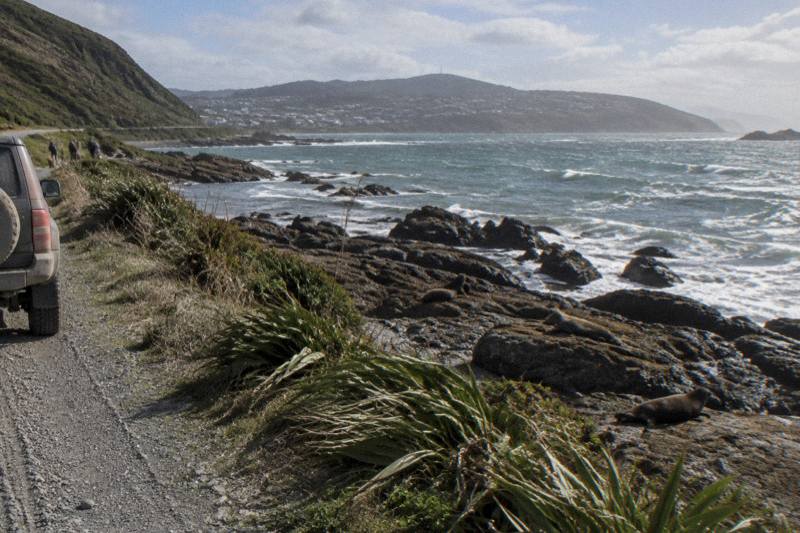
Wellington's south coast gives you two fundamentally different ways to look for kekeno, the New Zealand fur seal. One costs nothing: a flat, easy 7.4 km return walk from Owhiro Bay along an unsealed 4WD track to Devil's Gate at Te Rimurapa. The other is a 4WD journey over private farmland to Cape Terawhiti, a headland the public road never reaches, with hotel pickup and a driver who knows the country. They are not two versions of the same trip. They go to different places, take different amounts of time, and suit different travellers, and confusing them is the single most common planning mistake on this coast.
What Is The Red Rocks Wellington Walk?
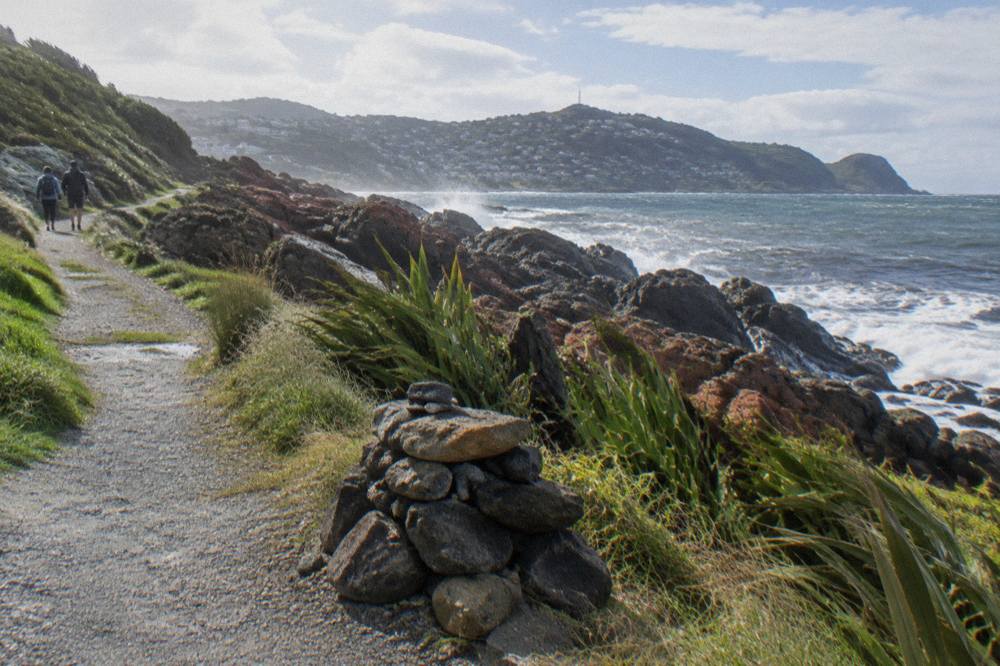
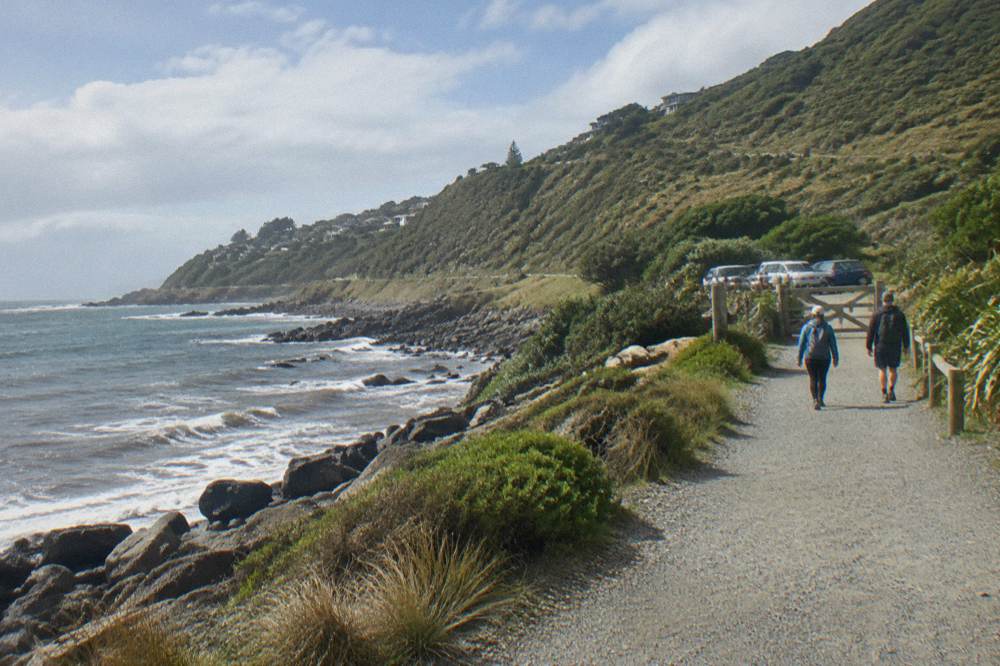
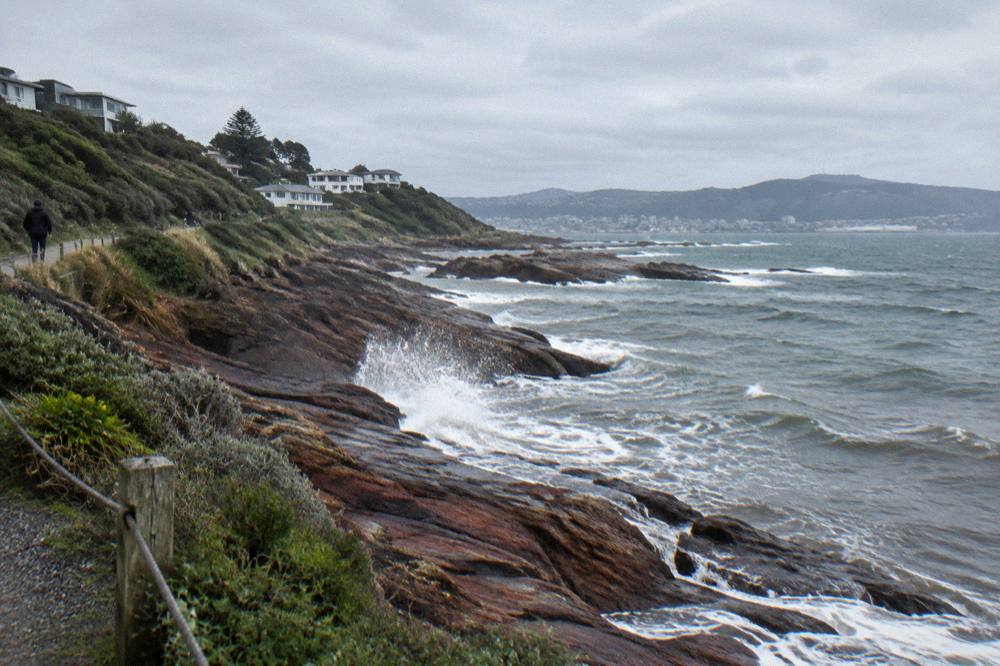
The Red Rocks walk, formally the Pariwhero Red Rocks Coastal Walk, is a free, self-guided 7.4 km return track along Wellington's south coast, graded easy and flat, taking 2 to 3 hours from the car park at the end of Owhiro Bay at the Te Kopahou Reserve entrance, past early-1900s baches to Devil's Gate at Te Rimurapa.
The track follows the same unsealed vehicle route that 4WDs use, so walkers share it in places with the occasional 4WD and, on most days, mountain bikers. The surface is uneven and loose in stretches, so ordinary walking shoes are fine in dry conditions but a sturdier shoe earns its keep after rain. There is no admission charge and no booking, which is exactly why the walk is a fixture of free things to do in Wellington around a paid tour day.
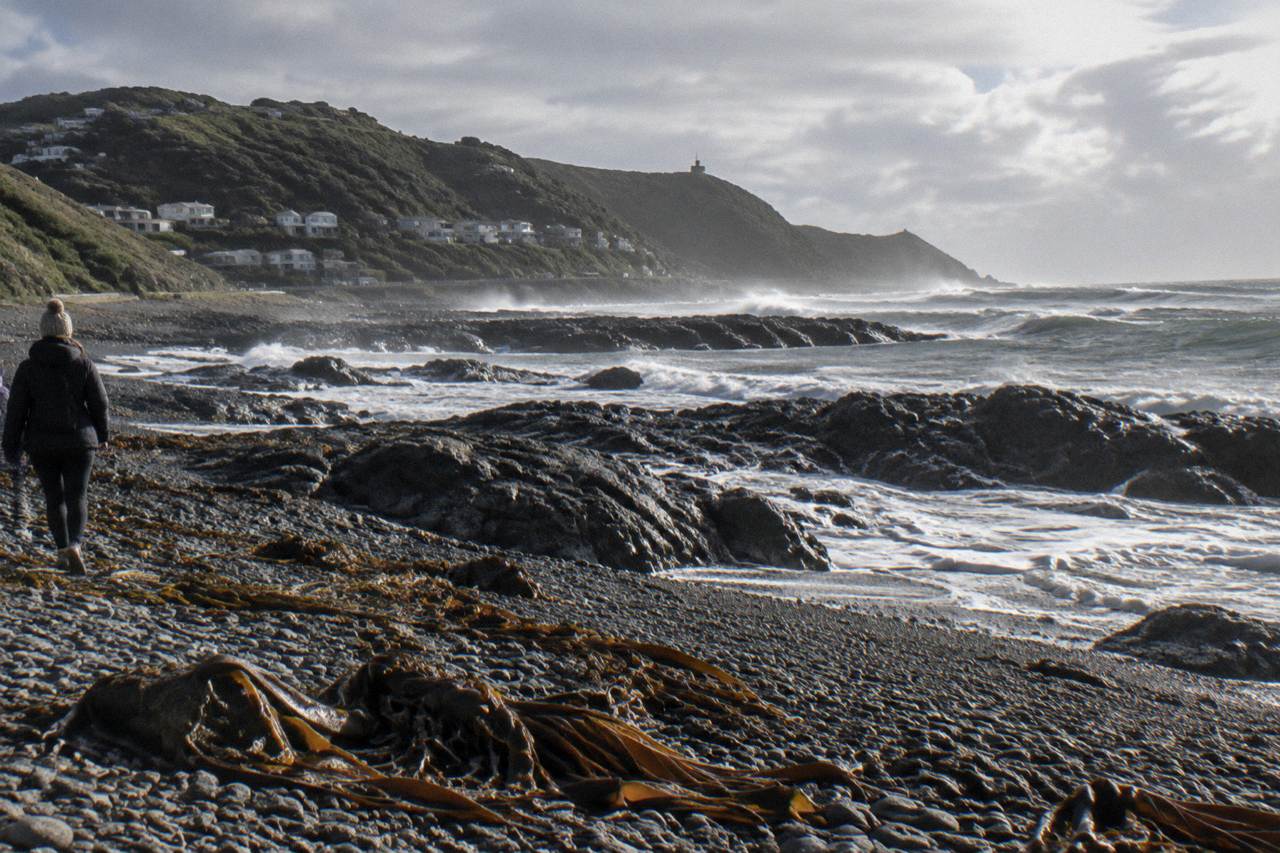
The name comes from the rocks themselves. Pariwhero's red stones are ancient volcanic pillow lava set in greywacke, and the site has been protected as a scientific reserve since 1972. The Wellington City Council, which manages the reserve, describes the full route and its Sunday vehicle gate closure on its Pariwhero Red Rocks page. It is a genuinely scenic hour and a half out, with the city dropping away behind you and the Cook Strait wind in your face for most of it.
The walk also sits beside a protected marine area worth knowing about. Taputeranga Marine Reserve, established in 2008, covers 855 hectares of coast and sits about 6 km from the city centre, with boat ramps at Island Bay and Owhiro Bay. Reserve rules are strict: no fishing and no gathering of any marine life, no taking shellfish, seaweed or shells, and penalties can include fines up to $250,000. Dogs must stay on a lead and well away from seals.
One practical point shapes every visit. The gate on the vehicle track is closed to vehicles on Sundays, though walkers and mountain bikers can still pass.
Where Does The Wellington Seal Tour Actually Go?
The seal safari does not go to Red Rocks. Seal Coast Safari travels to Cape Terawhiti via Terawhiti Station, a route across private farmland, after a stop at Otari-Wilton's Bush, in a 4WD vehicle with a maximum of 10 guests per departure, collecting you from your Wellington hotel or cruise ship.
This is the detail most worth pinning down. Red Rocks, Te Rimurapa and Devil's Gate sit at the end of the public walking track from Owhiro Bay. Cape Terawhiti is a different headland altogether, reached over working farmland at Terawhiti Station that the public road network does not serve, which is precisely why the safari runs in a 4WD Mercedes. The two experiences share a coastline and a wind direction, and nothing else.
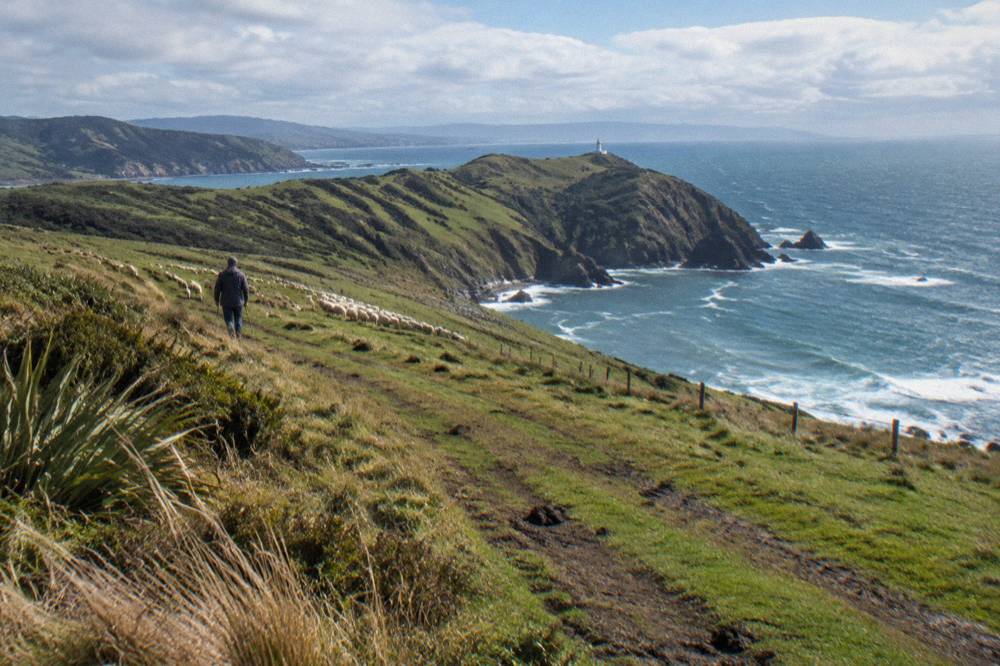
The featured trip, the Exclusive Access Seal Coast Safari, is rated 4.9 across 371 reviews, runs 3 hours 30 minutes, and is priced from $111.80 per person. Its itinerary names Otari-Wilton's Bush, Terawhiti Station and Cape Terawhiti, and the operator's itinerary names seals on that route. A same-operator alternative exists on the other major booking platform, the Wanderlust Half Day Seal Safari, from $110 per person with central pickup or cruise terminal collection, rated 4.9 across 342 reviews. If you are weighing the pair against each other, the dedicated Seal Coast Safari guide breaks down both booking options side by side.
One point that simplifies the booking decision: the two safari booking pages are the same product from the same operator, not two different departures.
Neither safari's booking page mentions a minimum age; Wanderlust's page sets no group cap, while the featured trip caps groups at 10. The booking page for the featured safari also carries a health note worth knowing before you commit: it is not recommended for travellers with back, neck or heart conditions or who are pregnant, and it is not wheelchair accessible. No safari booking page promises a seal sighting, and no honest comparison should either. What the itinerary gives you is access: a headland and a farm track, with the seals named on the route.
What Does Each Option Cost In Money And Time?
The Red Rocks walk is free and takes 2 to 3 hours return on foot. The seal safaris run from $110 per person for the Wanderlust departure and from $111.80 per person for the featured Exclusive Access trip, each lasting 3 hours 30 minutes, while a private full-day sightseeing alternative with a Red Rocks stop starts from $206.40 per person over 7 hours.
Time and money trade off against each other here in an unusual way, because the free option is also the slower one once you count the drive to Owhiro Bay, parking and the walk itself. The safari compresses everything into three and a half hours door to door from your hotel, while the walk asks a half day of your legs and costs nothing but the petrol to the car park.
| Option | Price | Duration | Effort | Booking |
|---|---|---|---|---|
| Red Rocks self-guided walk | Free | 2 to 3 hours return | 7.4 km flat walk | None needed |
| Wanderlust Half Day Seal Safari | From $110.00 per person | 3 hours 30 minutes | Riding, short stops | Book ahead |
| Exclusive Access Seal Coast Safari | From $111.80 per person | 3 hours 30 minutes | Riding, short stops | Book ahead |
| Private Full Day sightseeing with Red Rocks stop | From $206.40 per person | 7 hours | Riding, some walking | Book ahead |
For a closer look at which of these options actually stops beside the colony, the guide to Red Rocks seal tours in Wellington covers what to expect from each one.
There is a cancellation safety net on the paid side. Each safari's own booking terms give a full refund if you cancel at least 24 hours before the start, and the same 24-hour window applies to the private full-day tour. The walk, being free, carries no such risk at all, which matters if your Wellington days are short and your plans are loose.
For context, the safari sits near the middle of the one-day price range on this coast. One-day per-person prices run from $40.13, the Zealandia day tour, up to $359.48 for a private Cape Palliser trip, with a median of $111.80, so both safari booking pages cluster around the midpoint. The cheap end buys a two-hour sanctuary walk with no pickup, while the safari price includes hotel or cruise collection and a 4WD vehicle. Note what the price does not cover: neither safari page states food, so budget for a meal separately. If lunch included matters to you, the City to Coast tour at $123.27, about 5 hours, states it, though its itinerary makes no seal claim at all.
Budget travellers sometimes split the difference deliberately: walk Red Rocks on one day for nothing, then put the money toward a different paid experience, whether that is the safari or something further afield like a Zealandia night tour. That two-day pattern is common enough that it deserves a spot in any honest comparison.
How Long Does Each Option Really Take Out Of Your Day?
Walkers should set aside about half a day for Red Rocks: the drive to Owhiro Bay, the 7.4 km return walk at 2 to 3 hours, and time at the rocks themselves. The featured safari runs 3 hours 30 minutes total from hotel or cruise ship pickup to drop-off, and the Wanderlust departure matches it at 3 hours 30 minutes from central pickup.
The safari's headline duration is 3 hours 30 minutes. The walk's duration is track time only, so the real day cost is longer than the headline figure suggests.
Cruise ship passengers should read these numbers carefully. A ship stop rarely allows for a leisurely half-day walk plus a buffer for getting back to the terminal, while a 3 hours 30 minute safari with cruise terminal pickup is built precisely for that timetable. The dedicated cruise ship tours and seal safari guide covers that scenario in full.
If a half day in a vehicle sounds better than either option on foot, the Wanderlust departure at from $110 per person is the cheaper of the two safari bookings and also the more flexible on rough-weather days, as the next section explains.
Can You See Seals At Red Rocks Wellington Without A Tour?
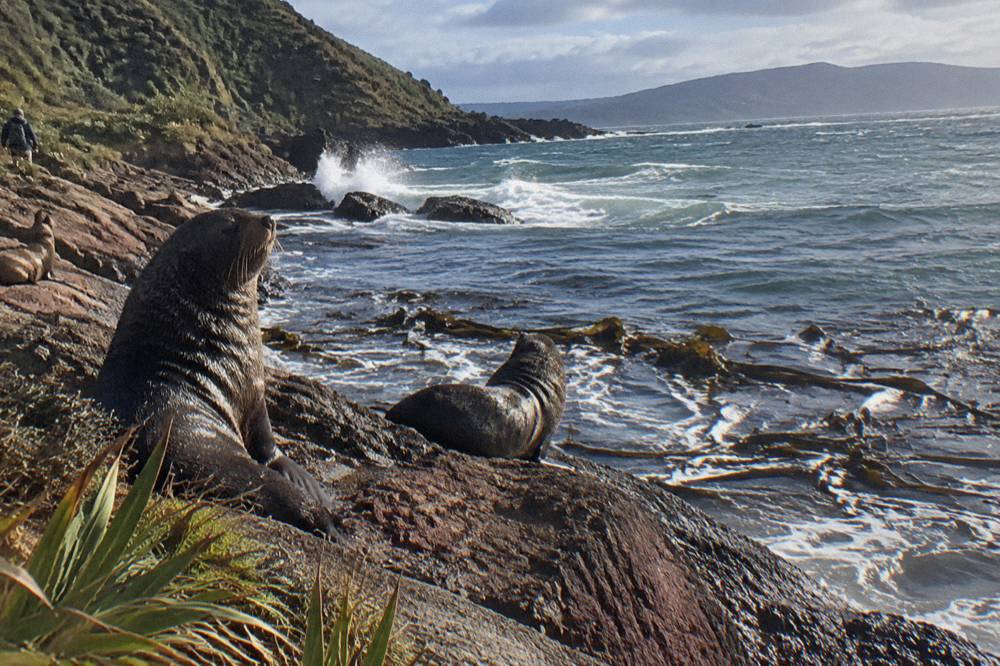
Yes, walkers can meet kekeno at Red Rocks without any tour: the council says you can meet the fur seal in winter just beyond Pariwhero at Te Rimurapa. No tour is required, no booking exists, and no operator controls access, though no source guarantees a sighting on any given day, on foot or by vehicle.
The kekeno population is growing nationwide, and the Department of Conservation's modelled estimate puts the New Zealand population between 208,536 and 251,644 animals. The south coast of Wellington is one of the places they come ashore to rest, and the council frames the encounter as a winter possibility rather than a certainty. A month range for the safari is hard to pin down: neither safari booking page names a season, and for Red Rocks the council says winter. More of these guides are collected on Wellington Seal Safari.
What matters more than timing is behaviour on the track. Seals on this coast are protected under the Marine Mammals Protection Act 1978, and the Department of Conservation's rules for watching seals are short and practical: stay at least 20 m from seals where you can, never come between a fur seal and the sea, keep dogs on a leash and well away, do not drive closer than 50 m to a marine mammal where you can, and never touch one. Harassing or disturbing a marine mammal is an offence carrying a maximum penalty of two years in prison or a fine up to $250,000. If a curious pup seems to be inviting a cuddle, the article on why a hugging seal should never be touched explains how Wellington seal safaris let you enjoy the encounter from a safe and lawful distance.
| Situation | Required distance | Rule in plain words |
|---|---|---|
| Seal on shore, you on foot | At least 20 m | Never come between a seal and the sea |
| Vehicle near a marine mammal | No closer than 50 m | Back off rather than squeeze past |
| Vessel where seals may be present | At least 20 m | Applies to kayaks and boats alike |
| Swimmers in the water | At least 5 m | Do not approach or follow a seal |
| Dogs near wildlife | Leash and well away | Required along the whole coast |
Two smaller points round this out. Do not feed seals or attempt selfies with them, advice DOC repeats for this exact coast. And if you see a seal that is injured, entangled or being harassed, the DOC hotline is 0800 362 468. Walkers are the unguided party here, so the rules land on you directly.
Which Option Handles Wellington Wind And Weather Better?
The safari bookings and the walk respond differently to weather. The Wanderlust safari runs in all weather with possible route changes and free date moves on 24 hours notice, while the featured safari requires good weather and offers a different date or a full refund if cancelled for poor conditions. The walk simply exposes you to whatever the Cook Strait delivers.
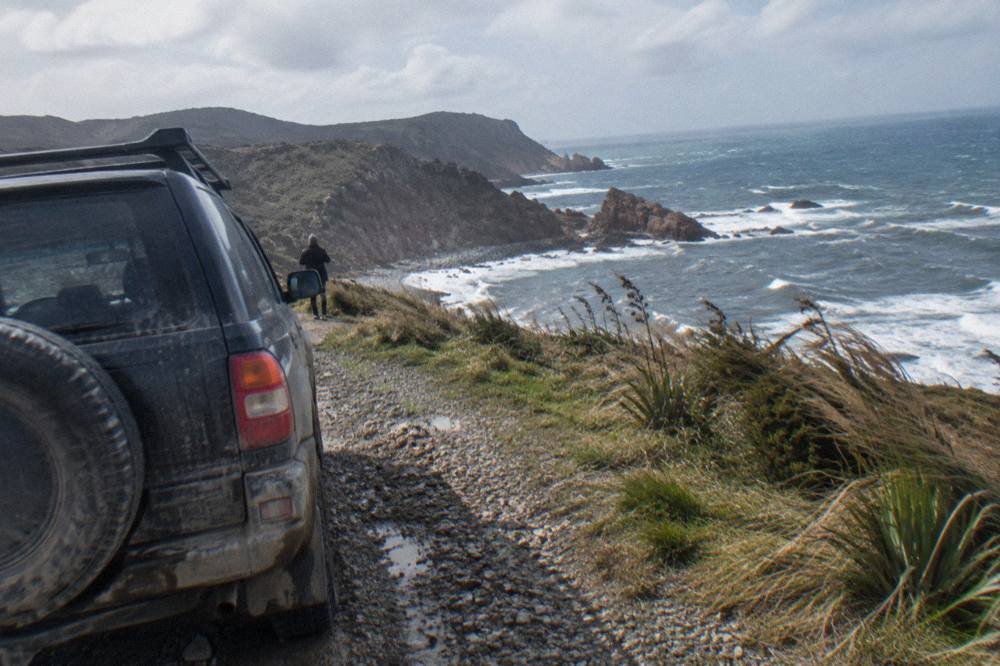
That is a genuine structural difference, not marketing. One booking option treats weather as a routing problem, the other as a go or no-go decision, and the walk treats it as clothing. The south coast is windy and conditions change quickly, which DOC notes for the adjacent Taputeranga Marine Reserve with its strong currents and changeable weather. A day that starts calm can end with horizontal gusts on an exposed, trackless-feeling stretch of coast.
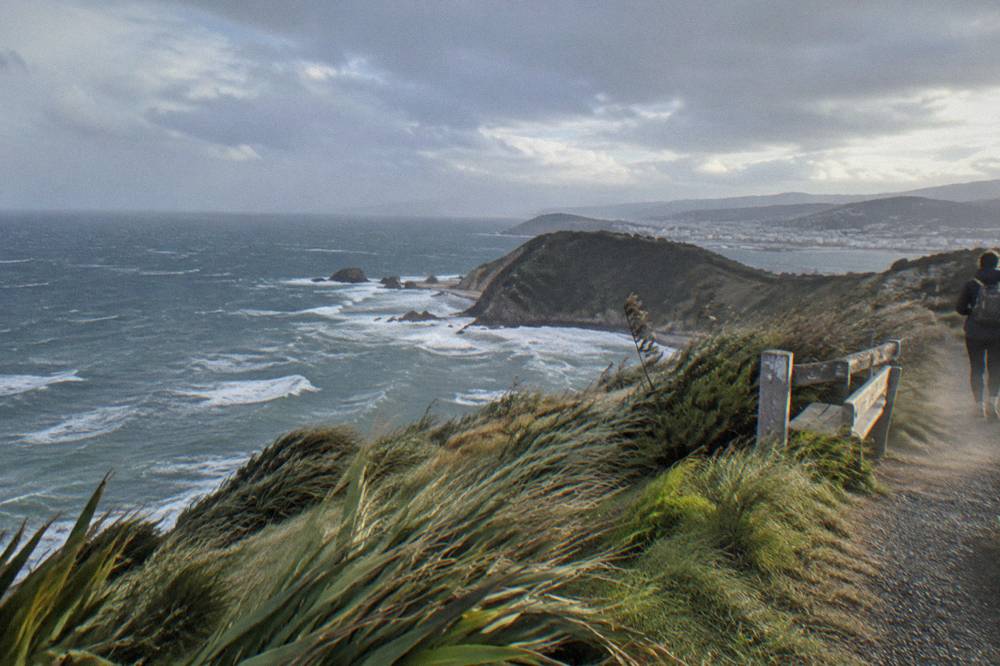
For walkers, the practical answers are layers, a windproof shell and a readiness to turn back early. For safari passengers, the practical answer is to read the weather wording on your own booking page before you travel, because the two safaris handle a grim forecast differently and each sets its own terms.
For travellers who want a full day with a guide, a private vehicle option exists. The Private Full Day sightseeing tour, from $206.40 per person over 7 hours with lunch included and hotel or port pickup, includes a Red Rocks stop where the operator's itinerary names seals in their natural environment, alongside Mount Victoria, the Weta Cave and the Cable Car.
That private tour is the one product on this site that bridges the comparison: it reaches the Red Rocks coast by vehicle with a guide, without asking you to walk the 7.4 km. It does not reach Cape Terawhiti, and it should not be confused with the safari any more than the walk should.
Can You Drive Or Take Children To Red Rocks Yourself?
You can drive yourself to the Owhiro Bay car park in any vehicle, but the track beyond it is unsuitable for 2WD: the council allows 4WD, walking or cycling only, and the gate is closed to all vehicles on Sundays. Minimum ages differ by paid tour: the Zealandia twilight tour sets 5 and its night tour 12, while neither safari booking states a minimum age.
The distinction between the car park and the track trips up a lot of visitors. Reaching the start of the walk is easy in a hire car. Driving the track itself, which is what people imagine when they picture getting close to the rocks, requires a 4WD and is barred outright on Sundays. A standard rental car stays at Owhiro Bay, and from there the seal coast is your own two feet. The dedicated guide on whether you need a 4WD for the Red Rocks seals works through the self-drive question in detail. Timing matters as much as transport here, since kekeno only haul out at Red Rocks in certain months, and the seasonal guide to whether seals are at Red Rocks yet sets out what the council and DOC say.
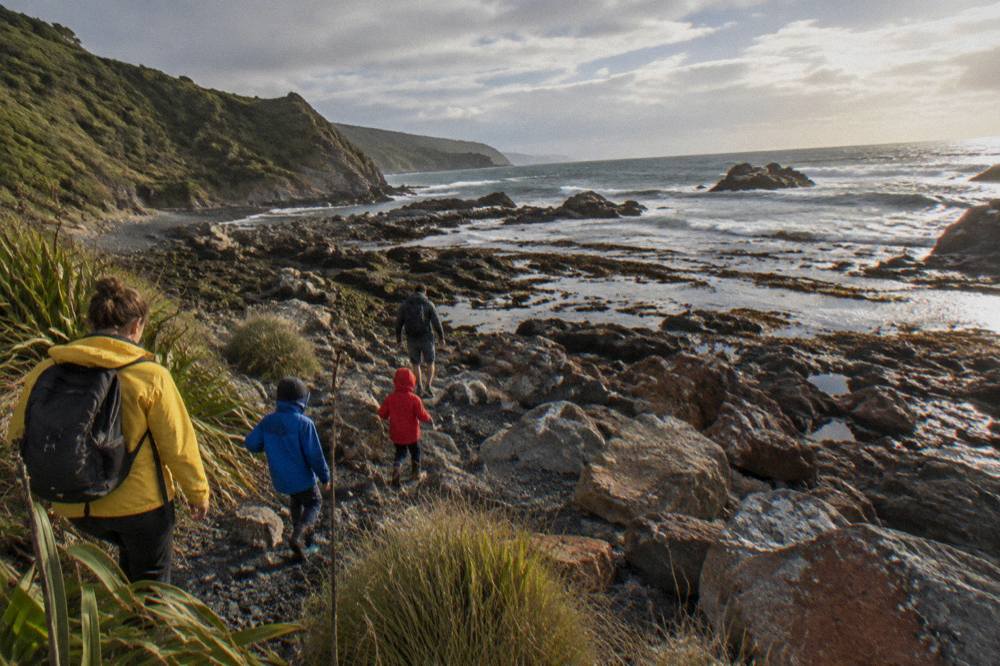
Children change the arithmetic in both directions. The walk is flat and easy by track standards, so capable walking kids handle it, but DOC's advice to keep children back from seals applies with force on an unguided route. On the paid side, no minimum age is stated for the safari, so age and health terms live on the booking page rather than in any blanket welcome. The fuller picture, including the Zealandia age limits and how they compare, is in the guide to a Wellington seal safari with children.
If your group includes someone for whom neither a 7.4 km walk nor a rough 4WD track suits, a third road exists. The City to Coast tour, from $123.27 per person, about 5 hours with lunch included, visits the Te Kopahou Visitor Centre and the south coast scenic drive in a van with a maximum of 11 guests, meeting at the Takina Wellington Convention Centre on Cable Street. Its itinerary makes no seal claim, so read it as a south coast overview rather than a seal trip.
Red Rocks Walk Or Seal Safari: Which Should You Choose?
Choose the free Red Rocks walk if you have half a day, sturdy shoes and a preference for independence, accepting that you may see no seals. Choose the 3 hours 30 minute 4WD safari, from $110 to $111.80 per person, if you want private-farmland access to Cape Terawhiti and hotel or cruise pickup, accepting the price.
The honest summary is that the walk rewards walkers and the safari rewards people who would rather be driven. Neither is the better experience in the abstract. A fit traveller on a calm weekday morning gets enormous value from the free track. A cruise passenger with four shore hours, or a family without a 4WD, gets more from the safari than the track could ever give them.
| If you want... | Pick | Why |
|---|---|---|
| A free half-day walk | Red Rocks track | 7.4 km, easy, no booking |
| Private farmland and Cape Terawhiti | Exclusive Access Seal Coast Safari | 4WD route the public road never reaches |
| The lowest safari price | Wanderlust Half Day Seal Safari | From $110.00 per person |
| A guide plus a full city and coast day | Private Full Day, Meal Included | 7 hours, lunch, Red Rocks stop |
| Flexibility in poor weather | Wanderlust departure | Runs in all weather, routes may change |
Weather, mobility and the Sunday gate rule are the three decision factors that most often override price. A Sunday visit with no 4WD is a walking day whether you like it or not. A bad back rules out the safari per its own health note, and points you to the walk or to a van tour. And a forecast of gales makes the all-weather Wanderlust departure or a city-oriented day the smarter booking, with each tour's own 24-hour cancellation window as your escape hatch.
For the wider comparison across every seal-related option on this coast, including the Cape Palliser day trips that reach a lighthouse and a breeding colony further along the coast, the Wellington seal safari tours compared guide lays out the full field. Whichever you pick, the same 20 m rule applies at the rocks: this coast is the seals' home first, and both the track and the 4WD route are simply ways of visiting it respectfully.
Common Questions About Red Rocks Versus The Seal Safari
Is The Red Rocks Walk Or The Seal Safari Better For Seeing Seals?
Neither guarantees a sighting. The council says you can meet the kekeno in winter just beyond Pariwhero at Te Rimurapa on the walk, while the safari's itinerary names seals on its Cape Terawhiti route. Treat both as strong possibilities, not promises.
Does The Wellington Seal Safari Go To Red Rocks?
No. Seal Coast Safari travels to Cape Terawhiti via Terawhiti Station over private farmland, after a stop at Otari-Wilton's Bush. Red Rocks is a separate, free, self-guided council walk from Owhiro Bay, and only the private full-day sightseeing tour includes a Red Rocks stop.
How Much Does The Red Rocks Walk Cost?
Nothing. The Pariwhero Red Rocks Coastal Walk is free, needs no booking and covers 7.4 km return in 2 to 3 hours from the car park at the end of Owhiro Bay. You pay only for your transport to the car park.
Can You Drive The Red Rocks Track In A Normal Car?
No. The track beyond the Owhiro Bay car park is unsealed and uneven, and the council rates it unsuitable for 2WD vehicles: it is for 4WDs, walkers and cyclists. The gate is closed to all vehicles on Sundays, though walkers and mountain bikers can still use it.
How Long Is The Seal Safari Compared With The Walk?
Both safari bookings run 3 hours 30 minutes including hotel or central pickup. The walk takes 2 to 3 hours of track time for the 7.4 km return, plus your drive to Owhiro Bay and parking, which usually makes it the longer half-day commitment overall.
What Happens If The Weather Turns Bad?
It depends on your booking. The Wanderlust safari runs in all weather with possible route changes and free date moves on at least 24 hours notice, while the featured safari requires good weather and offers a different date or a full refund if it is cancelled for poor conditions. Walkers face the conditions directly, with no shelter past the car park.