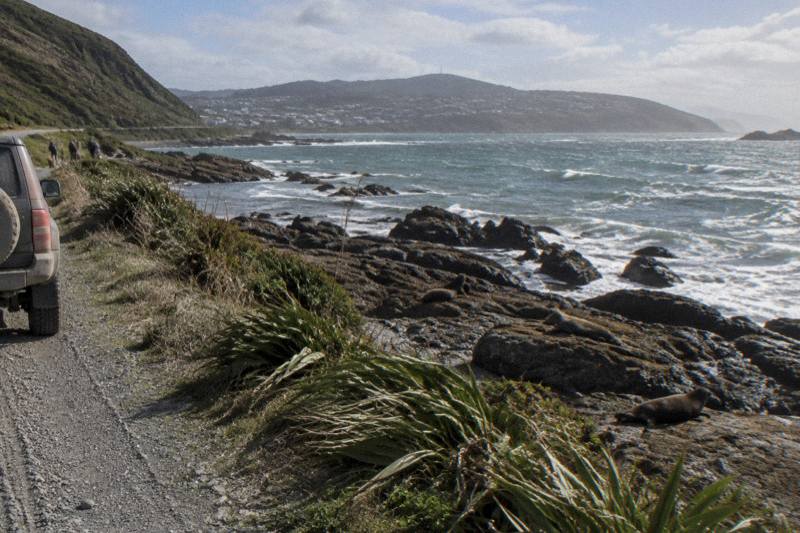
Are There Seals At Red Rocks Now?
Red Rocks is Wellington's self-guided seal walk, but whether kekeno are there depends on the season. Here is what the council and DOC say, plus the guided tour alternatives.
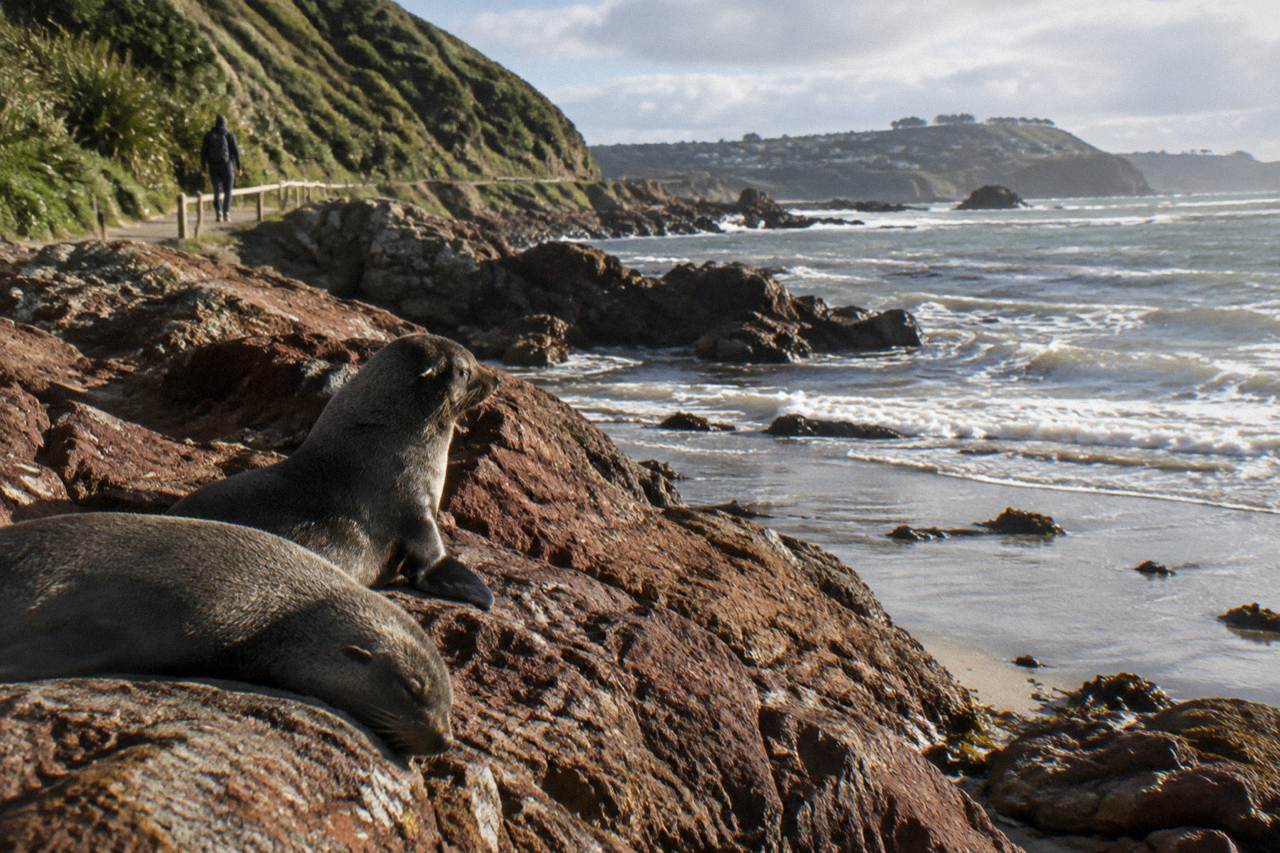
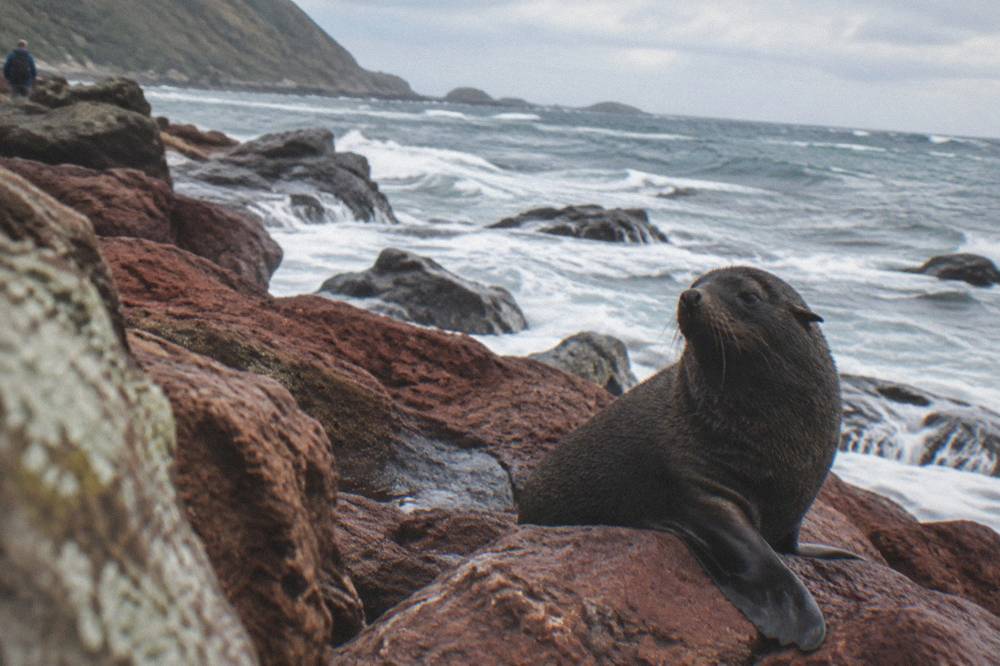
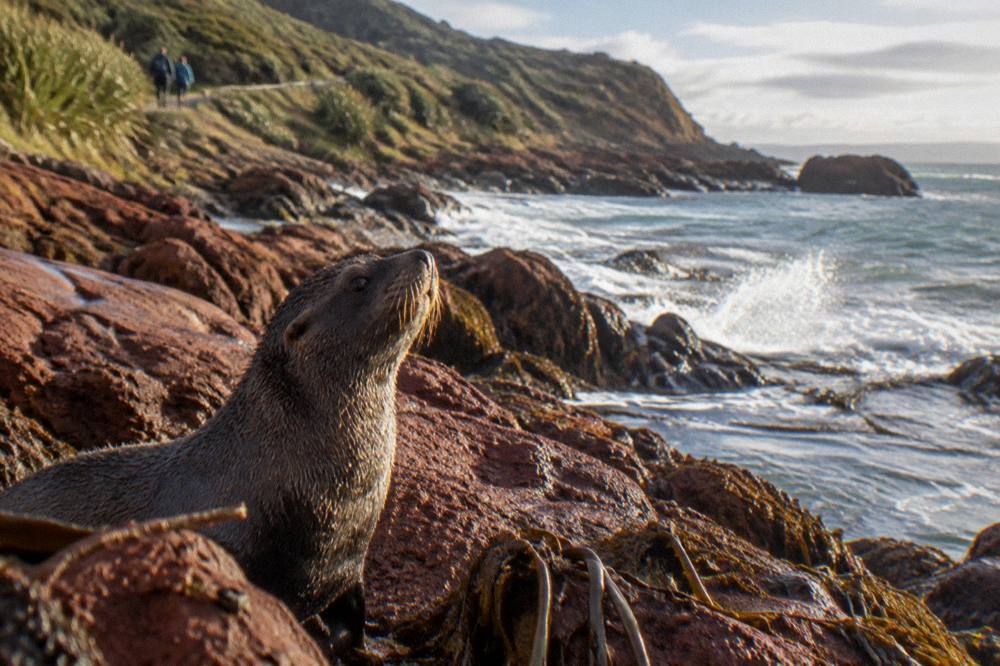
New Zealand fur seals, kekeno, are the most common seals in New Zealand and their population is growing, and Wellington City Council says you can meet them in winter just beyond Pariwhero, the Red Rocks, at Te Rimurapa. That single council sentence is the honest answer to the question, and it comes with an important shape: the council describes a season, not a permanent colony of a fixed size, and it names no numbers. Nobody counting seals on that coast publishes a live headcount, so any page promising seals "right now" is guessing.
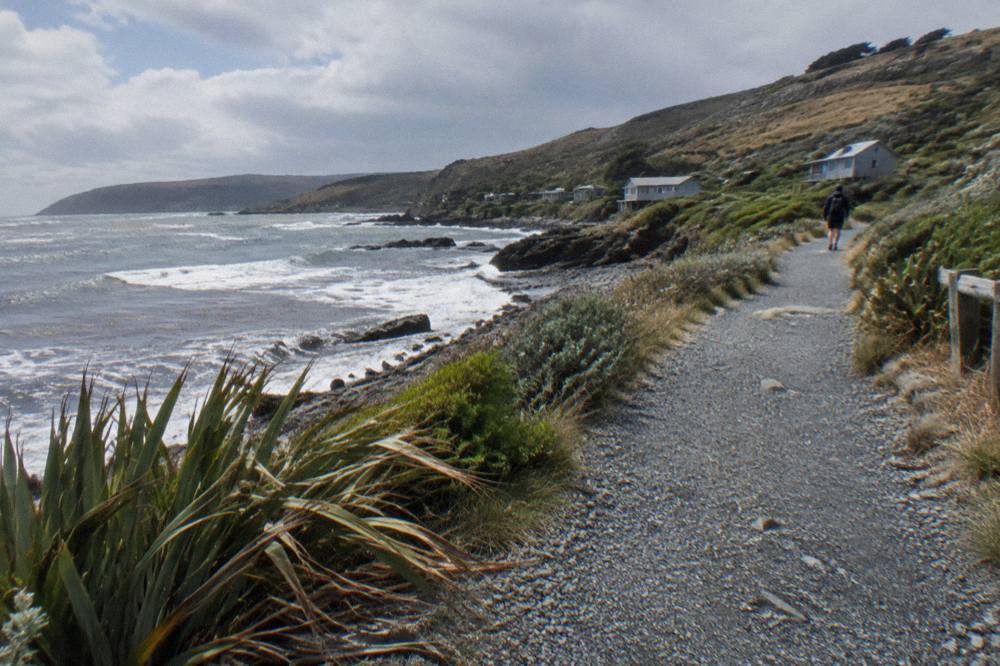
What is firm is the place and the walk. Red Rocks, Pariwhero, sits at the end of Owhiro Bay on Wellington's south coast, about as close to the city as a seal coast gets anywhere in New Zealand. The track is a 7.4 km return walk along a flat, uneven coastal route, taking 2 to 3 hours from the car park at the end of Owhiro Bay, and it passes the early-1900s baches on the way out to Devil's Gate at Te Rimurapa. The red rocks themselves are ancient volcanic pillow lava set in greywacke, protected inside Red Rocks Scientific Reserve, created in 1972.
If the walk is not what you came for, or the wind is doing what Wellington wind does, two options put a driver and a vehicle between you and the weather. The 4WD-based seal safaris pick up from Wellington hotels and the cruise terminal and take a different route entirely, which matters if your heart is set on seals rather than on one specific headland. The comparison further down covers what each one costs and where each one actually goes.
The honest answer is: in winter, quite possibly, and at any other time of year, maybe. Wellington City Council says you can meet the kekeno in winter just beyond Pariwhero at Te Rimurapa, and it publishes no seal count and no month-by-month calendar. No operator, council page or conservation body keeps a live tally of the seals hauled out on those rocks this week, so the seasonal pattern is the safest guide.
That answer frustrates people who want a yes, so it helps to understand why it is shaped that way. Kekeno are not resident on one rock in fixed numbers. They haul out to rest, to breed and to moult, and juvenile males in particular wander widely along the coast. A rock that holds a dozen resting animals one week can hold none the next, and a storm or a busy Sunday with dogs off leads can move them along regardless of the season. The Wellington Seal Safari guides therefore talk about where seals are reliably described, not about guarantees, and neither of the two Seal Coast Safari booking pages promises a sighting either.
What you can rely on is the trend underneath the season. The Department of Conservation's 2026 nationwide modelled estimate for kekeno is 208,536 to 251,644 animals, and the population is growing. Closer to Wellington, DOC's preliminary direct count at Cape Palliser, the large breeding colony in the Wairarapa, found at least 1,000 pups in the 2025/26 breeding season, a figure DOC itself asks readers to treat with caution. A growing population spreading along a coastline that includes the south coast is a better foundation for a winter walk than any promise about this week.
If your timing is fixed and you want the strongest chance of standing near seals on the day, the 4WD safaris have two structural advantages. They can cover far more coast in three and a half hours than a walker can, and they are not tied to one headland. The featured Exclusive Access Seal Coast Safari heads to Cape Terawhiti across private farmland rather than to Red Rocks, Check availability if that route appeals. The private full-day sightseeing tour, meanwhile, is the one product whose itinerary actually includes a Red Rocks stop, alongside Mount Victoria, the Weta Cave, the Cable Car and lunch.
When Can You Meet Kekeno At Red Rocks?
Winter, in the council's own words. Wellington City Council's page for the Pariwhero Red Rocks Coastal Walk says you can meet the kekeno in winter just beyond Pariwhero at Te Rimurapa, and the council publishes no month range, no counts and no out-of-season claim. That single attributed sentence is everything a visitor can honestly plan around, and anyone promising more specific timing is filling the gap with guesswork.
Seal timing genuinely varies, and Wellington City Council is the authority for this walk. Its wording covers the walk it manages, from the Owhiro Bay car park past the baches to Devil's Gate, and it does not extend the claim to other parts of the coast. The Department of Conservation, for its part, gives rules for behaviour around seals everywhere but does not publish a Red Rocks calendar either. Winter is also when the walk itself is at its most demanding: the south coast is windy, the weather changes quickly, and DOC describes changeable weather and strong currents for the adjacent Taputeranga Marine Reserve.
There is a reasonable planning question hiding inside the seasonal one, namely whether a winter walk or a safari serves you better. That choice gets a full treatment in the site's Red Rocks walk versus seal safari comparison, but the short version is that the walk is free, unguided and dependent on your legs and the wind, while the safaris cost from $110 per person, run 3 hours 30 minutes and put a driver behind the wheel of a 4WD. Readers with fixed dates, cruise ship hours or small children in tow usually lean guided; readers with a free morning and decent boots often walk.
Timing questions around seals are covered more generally elsewhere on this site, including what time of year seals are most active and the question of the best time of day to see seals. Those pages deal with the species broadly; this one sticks to the Wellington council walk, because that is where the question was asked.
What Are The Rules For Watching Seals At Red Rocks?
Stay at least 20 m from seals onshore where you can, never get between a fur seal and the sea, and keep dogs on a lead and well away. These are Department of Conservation rules under the Marine Mammals Protection Act 1978, and harassing a seal carries a maximum penalty of two years in prison or a fine up to $250,000.
Those numbers matter on this walk in particular because the Red Rocks route is shared: walkers, mountain bikers and, six days a week, vehicles all use the same unsealed coastal corridor. The council requires dogs on leads and 20 m from wildlife, and DOC adds the reasons behind the distances. Seals can be aggressive and carry disease, so never touch one; pups can be abandoned if disturbed; do not feed them, keep the noise down and keep children back. Drivers should not take a vehicle closer than 50 m to a marine mammal where they can, at sea the rule is 20 m for vessels and 5 m for swimmers, and drones near marine mammals need DOC authorisation. The hotline for harassment, injury or entanglement is 0800 DOC HOT, 0800 362 468.
The neighbouring Taputeranga Marine Reserve, established in 2008, adds its own layer. It covers 855 hectares of coast about 6 km from the city centre, and inside it no fishing or gathering of marine life is allowed. DOC's guidance for the reserve repeats the seal distances and adds two concrete don'ts that photograph-minded visitors should hear plainly: do not feed seals, and do not take selfies with them. The site's guide to how close you can get to seals on a seal safari covers the same distances from a tour seat.
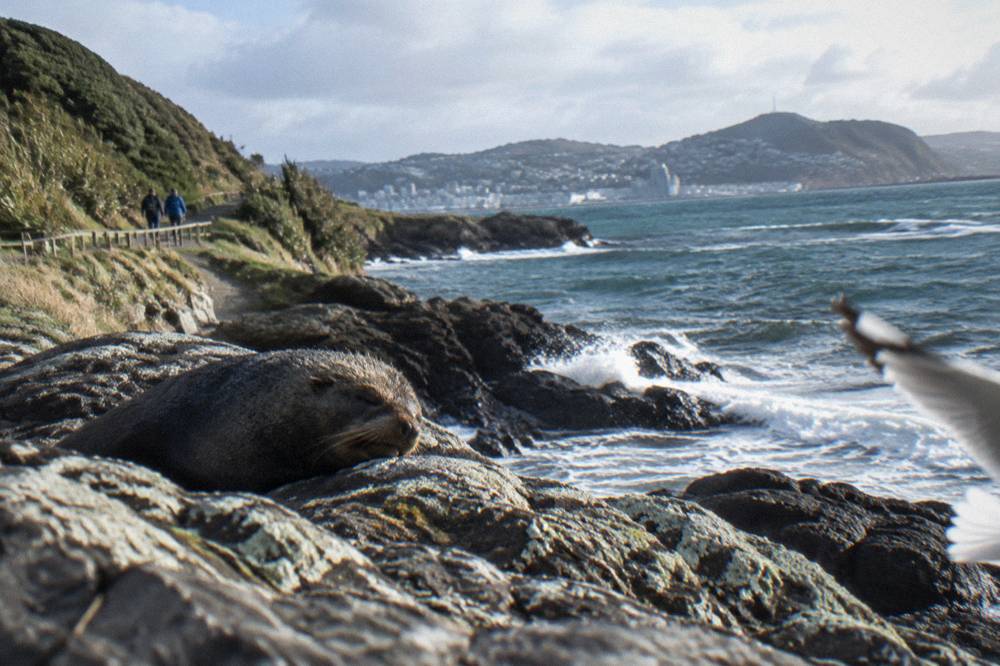
tours handle the distances for you in a structural sense: a 4WD stays on the track. That is one honest reason people book a safari rather than walking, and it is the reason this page links them. It is not a reason to skip the rules, though, because the rules bind everyone, booked or not.
Can You Drive Yourself To The Red Rocks Seals?
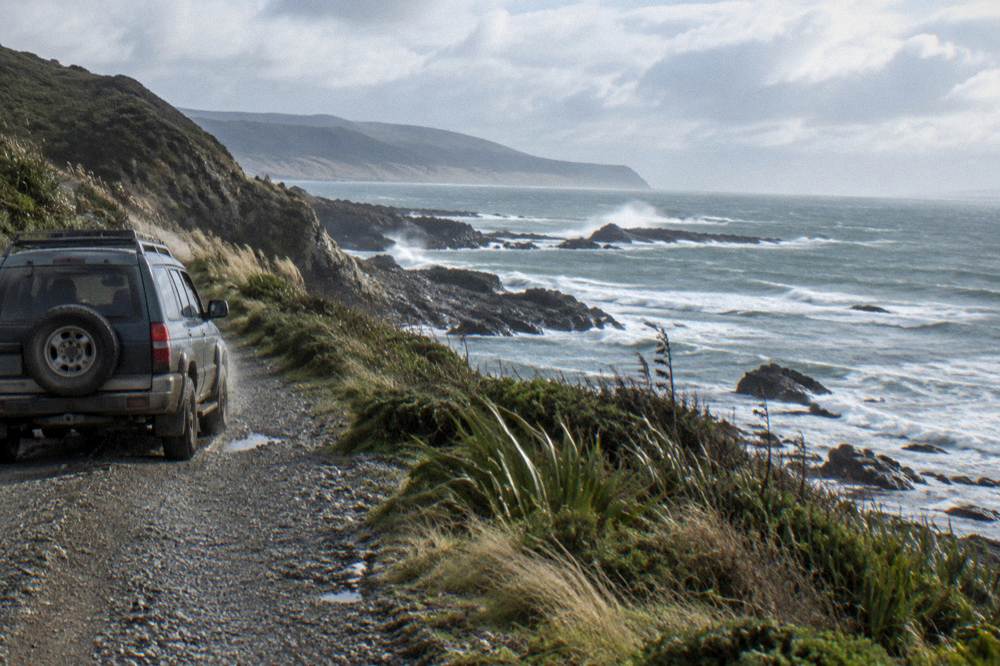
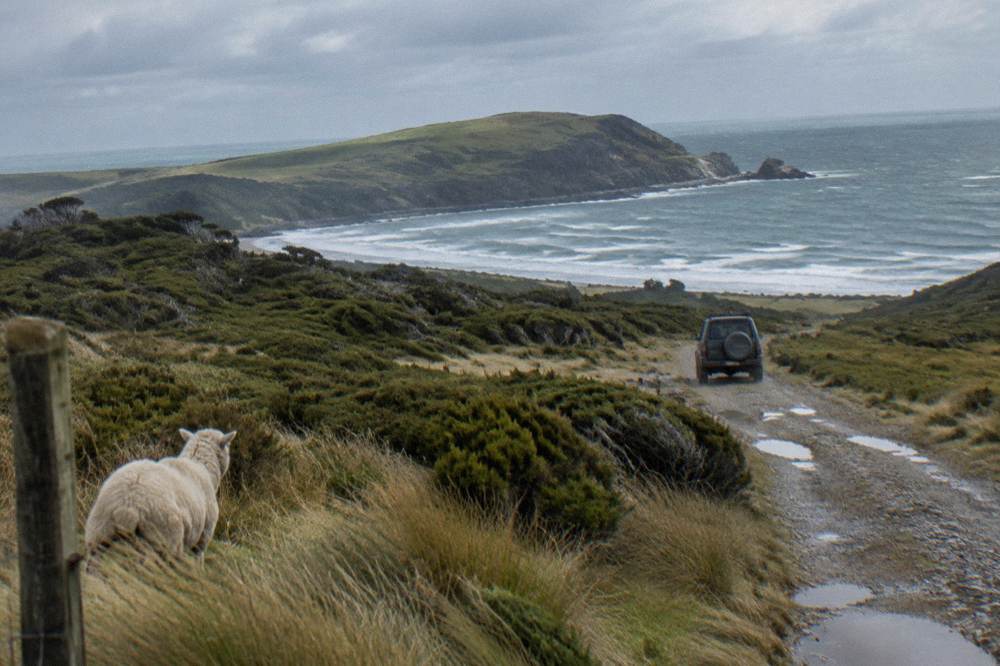
You can drive to the Owhiro Bay car park and walk, and beyond the gate the unsealed route is rated for 4WD, walking or cycling only, not 2WD. The vehicle gate is closed on Sundays, though walkers and mountain bikers can still pass. Drivers must keep at least 50 m from any marine mammal where they can, and the track is uneven, exposed and windy, so a self-drive trip is a real commitment, not a lookout stop.
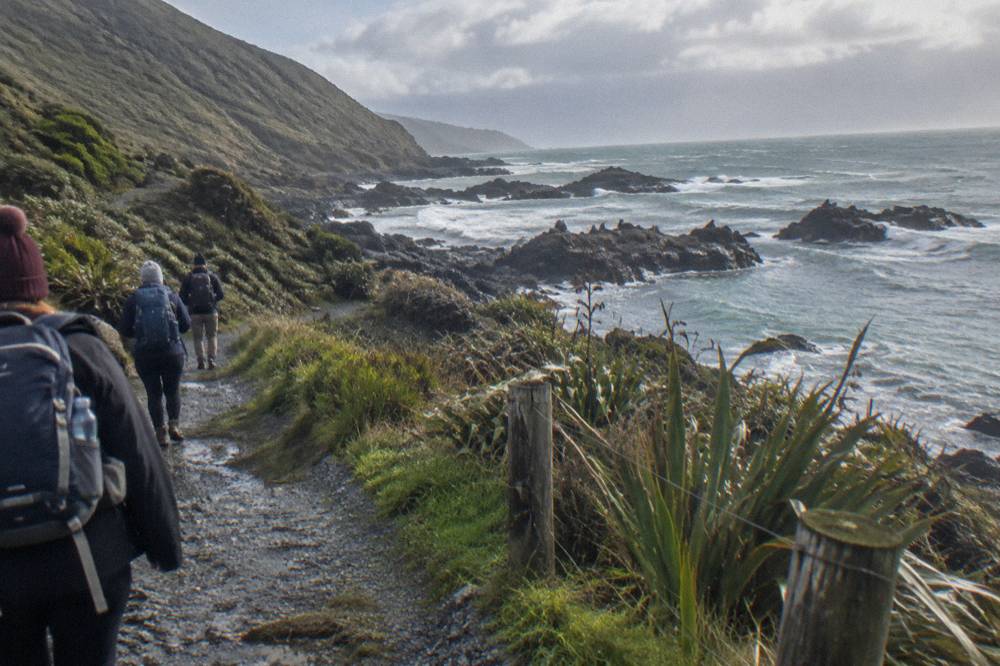
The self-drive question has a habit of escalating, because people who cannot or should not take their rental down an uneven coastal track start asking whether they need a 4WD at all, which Do You Need A 4WD To See The Seals At Red Rocks? answers. The short form is above: 2WD belongs in the car park. From there the walk is flat and easy in grade, but the surface is uneven and the exposure is real, and the return distance to Devil's Gate and back is the full 7.4 km. Budget the 2 to 3 hours the council suggests rather than an hour, and go with the wind forecast rather than against it.
The alternative to self-drive is not just the walk. The Wanderlust Half Day Seal Safari, from $110.00 per person, runs 3 hours 30 minutes with pickup from central Wellington or the cruise terminal, carries a 4.9 rating across 342 reviews, and serves light refreshments. Its operator describes it as running in all weather, with routes that may change with conditions, and a confirmed booking can be moved to another day at no charge with at least 24 hours notice. It is a different proposition from a council walk in every respect.
Where Does The Seal Safari Actually Go?
The Seal Coast Safari goes to Cape Terawhiti, across Terawhiti Station private farmland, after a stop at Otari-Wilton's Bush, and it never goes to Red Rocks or Sinclair Head. Red Rocks is a separate, self-guided council walk, and the only guided product on this site with a Red Rocks stop is the private full-day sightseeing tour. Confusing the two routes is the single most common mix-up in Wellington seal trip planning.
The featured Exclusive Access Seal Safari runs from $111.80 per person for 3 hours 30 minutes, is capped at 10 guests, uses a 4WD Mercedes, picks up from Wellington hotels or the cruise ship, and carries a 4.9 rating across 371 reviews, the largest review pool of any seal tour on this site. Its operator requires good weather for the experience, and a cancellation for poor weather brings a different date or a full refund; cancelling on your own side brings a full refund up to 24 hours before the start. The booking page also notes the tour is not recommended for travellers with back, neck or heart conditions or who are pregnant, and that it is not wheelchair accessible.
The private full-day option is the bridge for readers whose question is really "Red Rocks or something bigger". The Private Full Day Sightseeing Tour runs 7 hours from $206.40 per person with lunch included, pickup from Wellington hotels or the port, a 4.8 rating across 82 reviews, and an itinerary that takes in Mount Victoria, the Weta Cave, the Cable Car and Red Rocks, where the operator describes seals in their natural environment. It is private, so the day bends around your pace, and the full refund window is the same: at least 24 hours before the start.
For readers weighing a full Wairarapa day instead, the Cape Palliser trips are the other seal-named category: the Martinborough winery and wild coast day trip, from $219.00 per person over 10 hours with a Ngawi seal colony stop and meals, and the private scenic full day from $359.48 per person with lunch. Those are covered in detail in the site's Cape Palliser seal colony tours guide. One caution applies to any Cape Palliser plan: check the South Wairarapa District Council road alerts before driving.
| Option | What it is | From (USD, per person) | Duration | Seals named? | Starts |
|---|---|---|---|---|---|
| Red Rocks walk | Self-guided council walk | Free entry | 2 to 3 hours return, 7.4 km | Council describes kekeno in winter | Owhiro Bay car park |
| Exclusive Access Seal Coast Safari | 4WD, max 10 | $111.80 | 3 hours 30 minutes | Yes, Cape Terawhiti itinerary | Wellington hotel or cruise pickup |
| Wanderlust Half Day Seal Safari | 4WD | $110.00 | 3 hours 30 minutes | Yes, seal safari | Central Wellington or cruise terminal |
| Private Full Day Sightseeing | Private, lunch included | $206.40 | 7 hours | Yes, Red Rocks stop | Wellington hotel or port pickup |
Is The Free Walk Enough, Or Should You Book?
The free walk is enough if you have time, decent footwear, tolerance for wind and a winter window, and the council's own seasonal wording is your best-case scenario. Booking makes sense when your dates are fixed, your hours are short, or you want a vehicle and a wider stretch of coast. Neither choice comes with a sighting promise, and no honest comparison should pretend otherwise.
Cost is the obvious dividing line, and it is smaller than people expect. The Wanderlust Half Day Seal Safari is the cheapest seal tour on this site at $110.00 per person, and the featured Exclusive Access version is $111.80, effectively the same money, though the featured one carries a stated group cap of 10 and the largest review pool in the seal category. The walk costs nothing and asks for half a day of your legs instead. The real price question is what your time in Wellington is worth on the day you have, which is why the site keeps a full Wellington seal safari prices breakdown.
Weather is the second dividing line, and the two safari products handle it differently, so read the one you book. The featured Exclusive Access tour requires good weather; if it is cancelled for poor weather you get a different date or a full refund. The Wanderlust half day runs in all weather, with routes that may change, and bookings can be moved to another day at no charge with 24 hours notice. On a forecast of gales, one product reschedules you and the other drives you; knowing which is which is worth the two minutes it takes to check before you pay.
Families should also check the site's page on children on a Wellington seal safari before deciding, since age terms belong to each booking page. And if your actual question is whether the whole idea is worth the money, that gets a straight answer in is a Wellington seal safari worth it.
So, are there seals at Red Rocks now? In winter, the council says you can meet the kekeno just beyond Pariwhero, and that is as firm as the facts get. Walk it if the day is yours, book a safari if it is not, keep your 20 metres either way, and let the coast do the rest.
Common Questions About Seals At Red Rocks
Are There Seals At Red Rocks Now?
Possibly, and honestly nobody publishes a live count. Wellington City Council says you can meet the kekeno in winter just beyond Pariwhero at Te Rimurapa, and it gives no numbers and no month range. A winter walk gives you the council's own best case; outside winter your chances drop but are not zero.
When Is The Best Time Of Year To See Seals At Red Rocks?
Winter, according to Wellington City Council, which is the authority for this walk. The council names no months and no counts, and no operator on this coast publishes a seal calendar for Red Rocks either.
How Far Do You Walk To See The Seals At Red Rocks?
The Pariwhero Red Rocks Coastal Walk is 7.4 km return, taking 2 to 3 hours from the car park at the end of Owhiro Bay, on a flat but uneven coastal route past the early-1900s baches to Devil's Gate at Te Rimurapa.
Can You Drive To The Seals At Red Rocks?
Park at Owhiro Bay and walk. Beyond the gate the unsealed route is rated for 4WD, walking or cycling, not 2WD, and the gate is closed to vehicles on Sundays, though walkers and mountain bikers can pass. Drivers must stay at least 50 m from any marine mammal where they can.
How Close Can You Get To A Seal At Red Rocks?
Stay at least 20 m away onshore where you can, never get between a seal and the sea, keep dogs on a lead and never touch a seal. Vessels keep 20 m and swimmers 5 m. These are DOC rules under the Marine Mammals Protection Act 1978.
Does The Seal Safari Go To Red Rocks?
No. The Seal Coast Safari itinerary runs to Cape Terawhiti across Terawhiti Station private farmland after a stop at Otari-Wilton's Bush. The only tour on this site with a Red Rocks stop is the private full-day sightseeing tour.