What Time Of Year Are Seals Most Active?
Seal activity around Wellington explained: what DOC and the council actually say about season, what the tour booking pages say about season, and how weather shapes which seal safari you book.
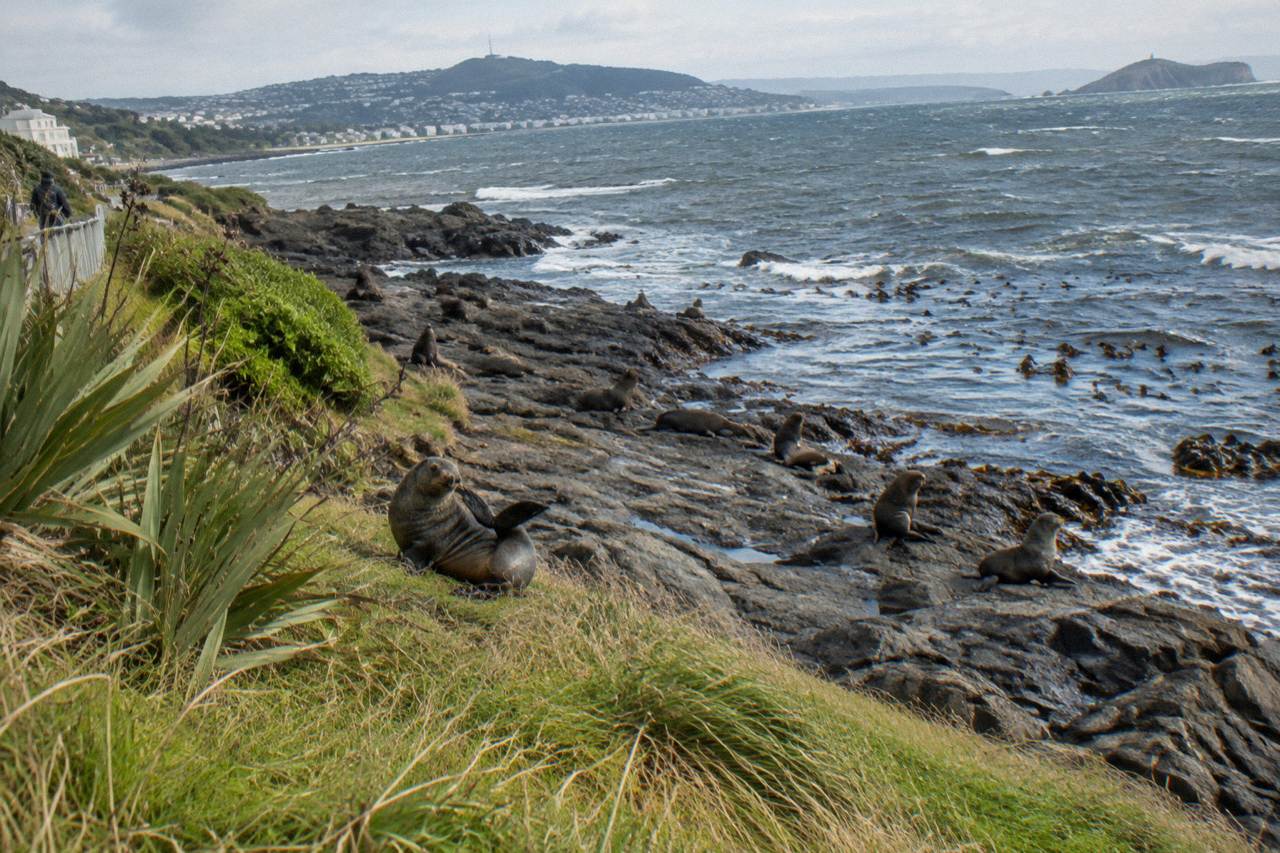
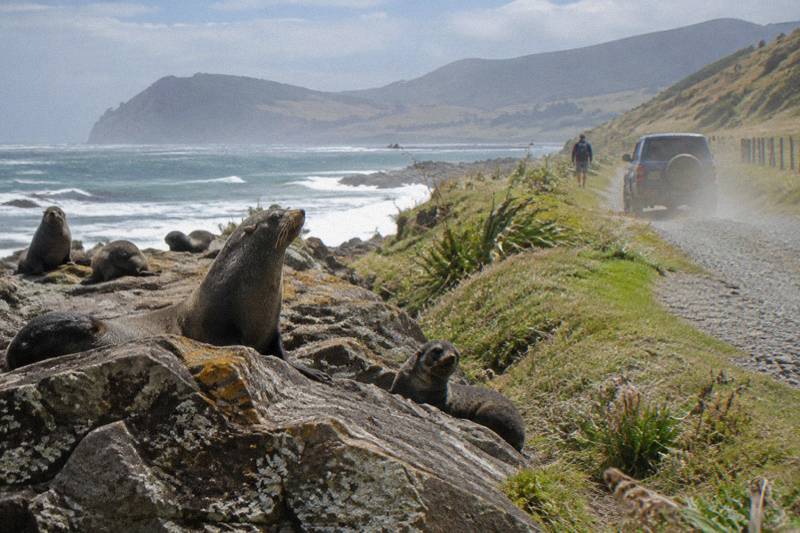
New Zealand fur seals, kekeno, are most often seen along the Wellington coast in winter; check the booking page for tours by date. DOC's 2026 nationwide modelled estimate puts the population between 208,536 and 251,644 animals and growing, so the question is less whether seals are present and more what they are doing when you arrive. No Wellington tour booking page states a season, and none promises a sighting, so timing your trip is about behaviour, weather and daylight rather than a calendar window. For a closer look at how winter weather and council advice shape a cold-season trip, the guide to seeing Wellington's seals in winter covers what to expect before you book.
That is the honest short version. The longer version runs through what kekeno actually do across a year, why the council describes winter at Red Rocks, how the Cape Palliser colony fits in, and what the differences mean for the tour you book. Along the way it clears up a fair bit of folklore, because seal activity is one of those topics where confident answers circulate freely and sourced ones are scarcer.
Start with the animal itself. Kekeno are the most common seals in New Zealand, and a growing population means more of them hauled out on more coastline, more of the time. DOC's own nationwide estimate for 2026, a modelled range rather than a headcount, is 208,536 to 251,644 animals. A breeding group is called a harem; adult males are bulls, females are cows, and immature males are known as sub-adult males or bachelors. Those labels matter for anyone watching from a headland, because what you see resting on the rocks depends heavily on which of those animals has claimed it.
Neither of the two Seal Coast Safari booking pages, the featured trip at from $111.80 per person or its twin at from $110 per person, states a season anywhere on its booking page. The same goes for the Cape Palliser day trips and the private sightseeing tour that stops at Red Rocks.
When Can You See Seals At Red Rocks?
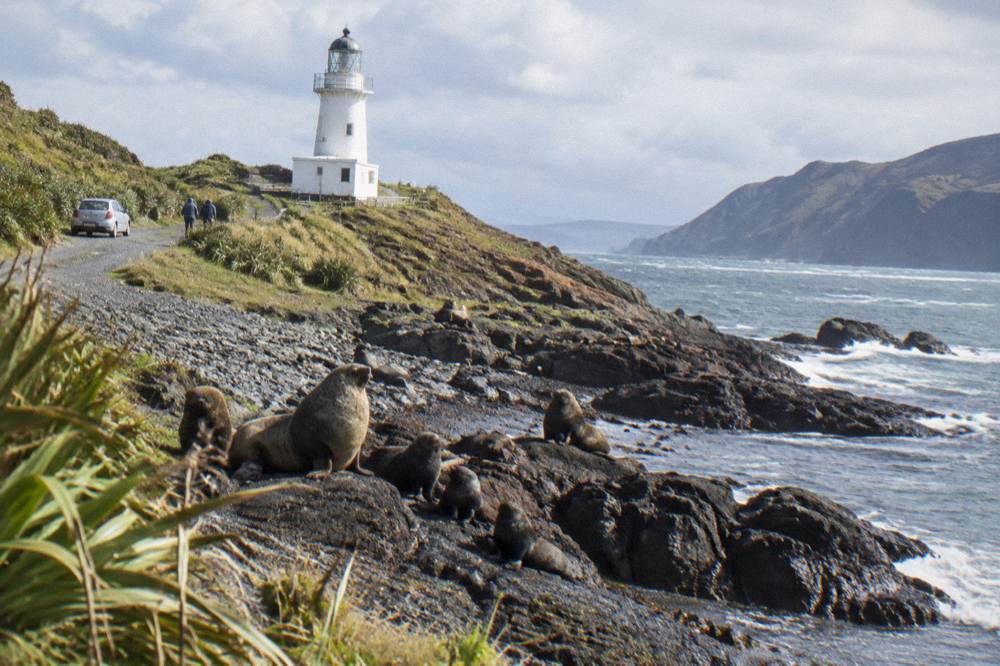
Red Rocks seals are most often described in winter, and that wording belongs to Wellington City Council, which says you can meet the kekeno in winter just beyond Pariwhero at Te Rimurapa. The council states no month range, and no seal count is published for the site. Red Rocks is a self-guided council walk, not a tour, though one private sightseeing itinerary includes a stop there.
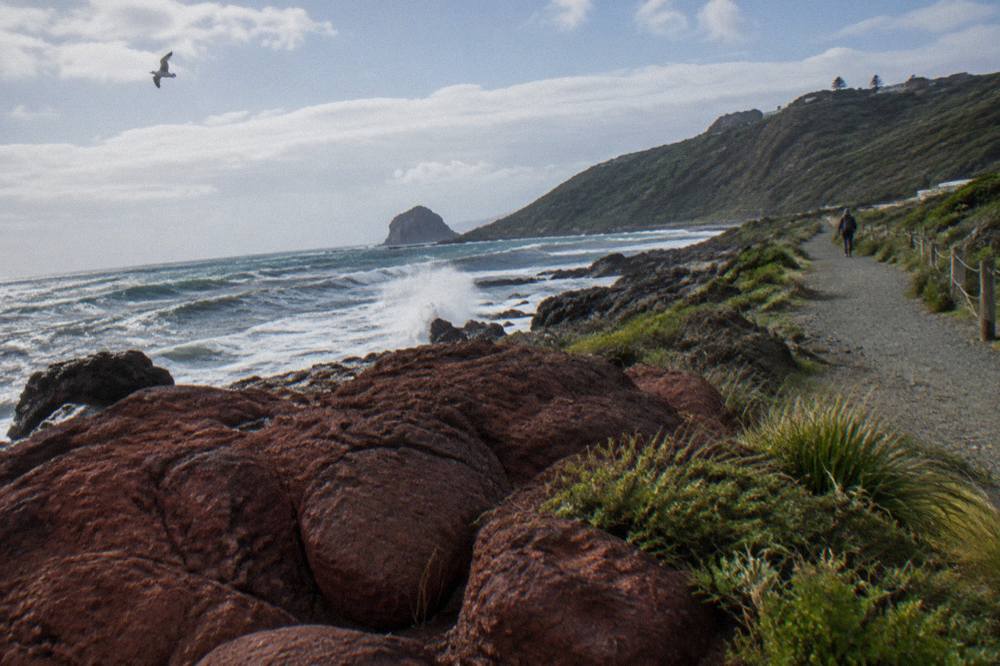
The walk itself is well documented. Pariwhero Red Rocks Coastal Walk runs 7.4 km, 2 to 3 hours return, an easy flat track from the car park at the end of Owhiro Bay, past early-1900s baches to Devil's Gate at Te Rimurapa. The red rocks that give the place its name are ancient volcanic pillow lava embedded in greywacke, and the Scientific Reserve was created in 1972. It is a genuinely good half day out and it costs nothing beyond the effort, which is why the guide to Red Rocks seal season and tours spends so much time on it.
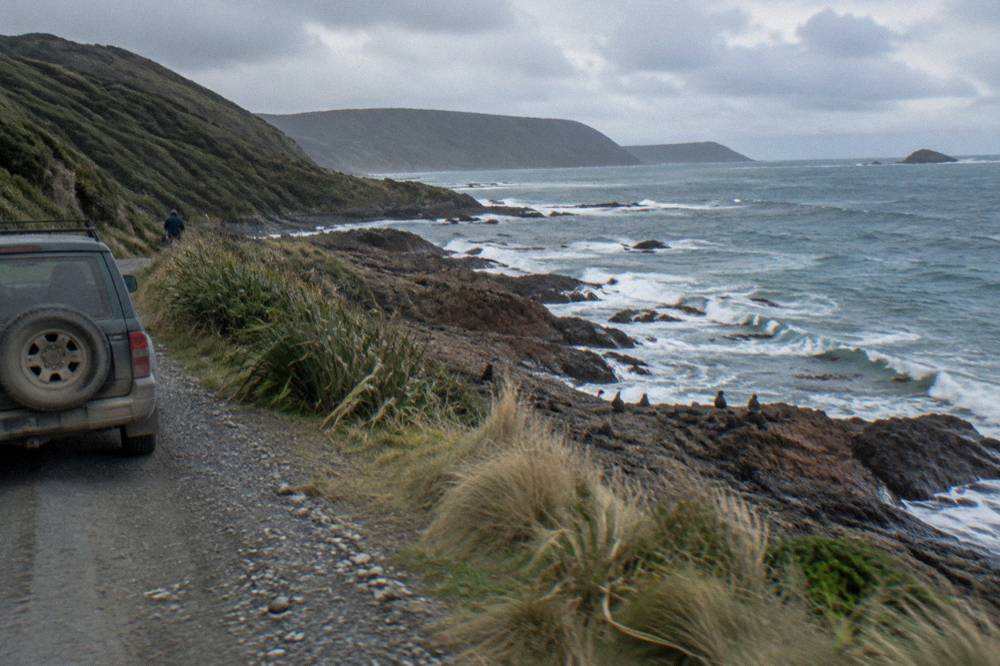
Getting there has rules worth knowing before you pick a day. The unsealed route is uneven and unsuitable for 2WD vehicles, so the realistic choices are 4WD, walking or cycling, and the gate is closed to vehicles on Sundays, though walkers and mountain bikers can still pass. Dogs must be on a lead and kept 20 m from wildlife. The council's winter wording is about likelihood, not a guarantee, and anyone who tells you a month range or a seal number for Red Rocks is going beyond what any official source publishes.
One point that trips people up: the safari people often picture at Red Rocks does not go there. The Seal Coast Safari route runs through Terawhiti Station private farmland to Cape Terawhiti, with a stop at Otari-Wilton's Bush, and neither of its two booking pages names Red Rocks or Sinclair Head anywhere in the itinerary. The only tour on this site with a Red Rocks stop is the private full day sightseeing trip. For everyone else, Red Rocks means the council walk from Owhiro Bay, done on foot or by bike. If your heart is set on that specific stretch of coast, plan the walk yourself and use a tour for the country you could not otherwise reach, because private farmland has no public access.
If you would rather have someone else handle the driving, one tour on this site includes Red Rocks among its stops: the Private Full Day sightseeing itinerary from Capital Personalised Tours, from $206.40 per person, 7 hours, with lunch included, rated 4.8 across 82 reviews. It picks up from your Wellington hotel or the port, and its itinerary names Mount Victoria, the Weta Cave, the Cable Car and Red Rocks, where the booking page describes seals in their natural environment. A private vehicle and a flexible route make it a reasonable fit when weather or daylight is working against a longer coastal walk.
When Do Wellington Seal Tours Run?
The council describes the Red Rocks seals as most often seen in winter, and the booking pages show availability by date. Neither Seal Coast Safari page states a season. What changes through the year is the weather policy attached to your booking, and the two safari pages differ on that point in ways a winter visitor should understand before paying. Before committing to a date, the month by month guide to seals at Red Rocks explains how the coastline and the kekeno change as the seasons turn.
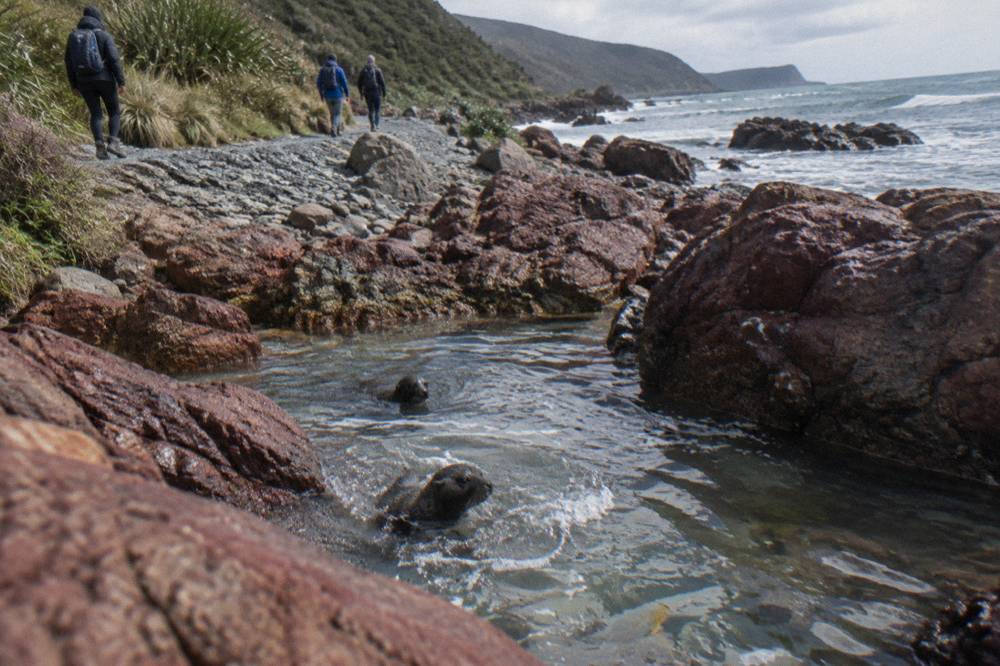
The featured trip, the Exclusive Access Seal Coast Safari, runs from $111.80 per person, 3 hours 30 minutes, 4.9 across 371 reviews, with Wellington hotel or cruise ship pickup and a maximum of 10 guests travelling by 4WD. Its route runs to Cape Terawhiti through Terawhiti Station private farmland, with a stop at Otari-Wilton's Bush along the way. The operator says the experience requires good weather, and if it is cancelled for poor weather, a different date or a full refund is offered. A full refund also applies if you cancel at least 24 hours before the start.
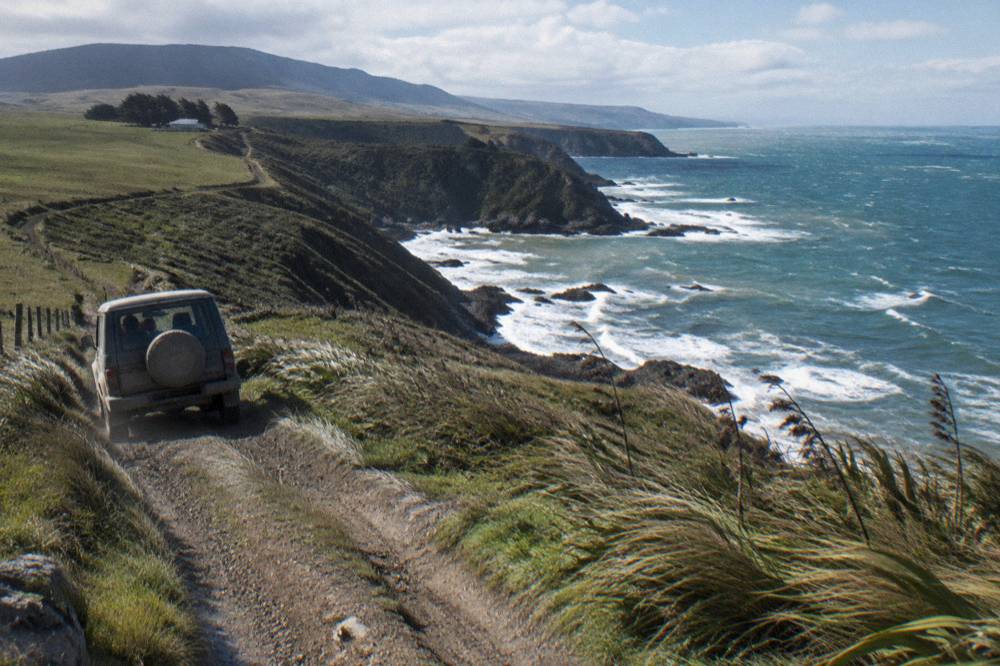
Its twin, the Wanderlust Half Day Seal Safari, sells from $110 per person, 3 hours 30 minutes, 4.9 across 342 reviews, with central Wellington or cruise terminal pickup. Same operator, same product family, same coast, but the wording on weather is different: the safari runs in all weather, weather and other conditions may lead to route changes, and a confirmed booking can be moved to another day at no charge with at least 24 hours notice. Cancelling at least 24 hours before the start still gets a full refund. In practice that makes it the more weather-proof booking for someone visiting in the stormier months, and the cheaper of the two by $1.80.
Weather wording varies tour by tour, so read your specific booking page before paying. The featured safari requires good weather, with a different date or a full refund if poor weather cancels it. Zealandia's daytime tour also operates in all weather and simply asks you to dress appropriately. Pickup logistics differ too: the featured trip collects from Wellington hotels or the cruise ship, the twin from central pickup points or the cruise terminal, and the City to Coast tour meets at the Takina Wellington Convention Centre on Cable Street rather than collecting you at all.
| Tour | Price from | Duration | Weather wording |
|---|---|---|---|
| Exclusive Access Seal Coast Safari | $111.80 per person | 3 hours 30 minutes | Requires good weather; poor-weather cancellation offers a different date or full refund |
| Wanderlust Half Day Seal Safari | $110.00 per person | 3 hours 30 minutes | Runs in all weather; routes may change; bookings moved with 24 hours notice |
| Martinborough Winery, 10-Hour Day Trip | $219.00 per person | 10 hours | Not stated |
| Scenic Full Day, Meal Included | $359.48 per person | Not stated | Requires good weather; poor-weather cancellation offers a different date or full refund |
| Private Full Day, Meal Included | $206.40 per person | 7 hours | Not stated |
Two health notes belong here because they come from the safari booking page itself: the trip is not recommended for travellers with back, neck or heart conditions or who are pregnant, and it is not wheelchair accessible. For ages, the booking page is where any terms appear. On distance rules, DOC asks everyone to stay at least 20 m from seals onshore where you can, to avoid coming between a fur seal and the sea, and to keep dogs on a leash and well away. Harassing or disturbing a marine mammal is an offence under the Marine Mammals Protection Act 1978, with a maximum penalty of two years in prison or a fine up to $250,000.
What About The Cape Palliser Seal Colony?
Cape Palliser is the one Wellington-area location with a hard seasonal number attached: DOC's preliminary direct count found at least 1,000 pups there in the 2025/26 breeding season, a figure DOC itself says to treat with caution. Two day trips visit the colony: the Martinborough trip runs 10 hours, while the private trip's total time is not mentioned, and the booking page does not give its own season for either.
The Martinborough Winery and South Wairarapa Wild Coast day trip from Zozo Travel, sells from $219 per person, rated 4.8 across 24 reviews, with Wellington hotel pickup, a vineyard lunch and dinner included, visiting Kaitoke Regional Park, the Ngawi seal colony and the Cape Palliser Lighthouse. The other, Kaewa Tours' private Scenic Full Day, sells from $359.48 per person, rated 5.0 across 28 reviews, with hotel or port pickup, lunch, winery stops and the Cape Palliser lighthouse and seal colony on the itinerary. Both offer a full refund if cancelled at least 24 hours before the start.
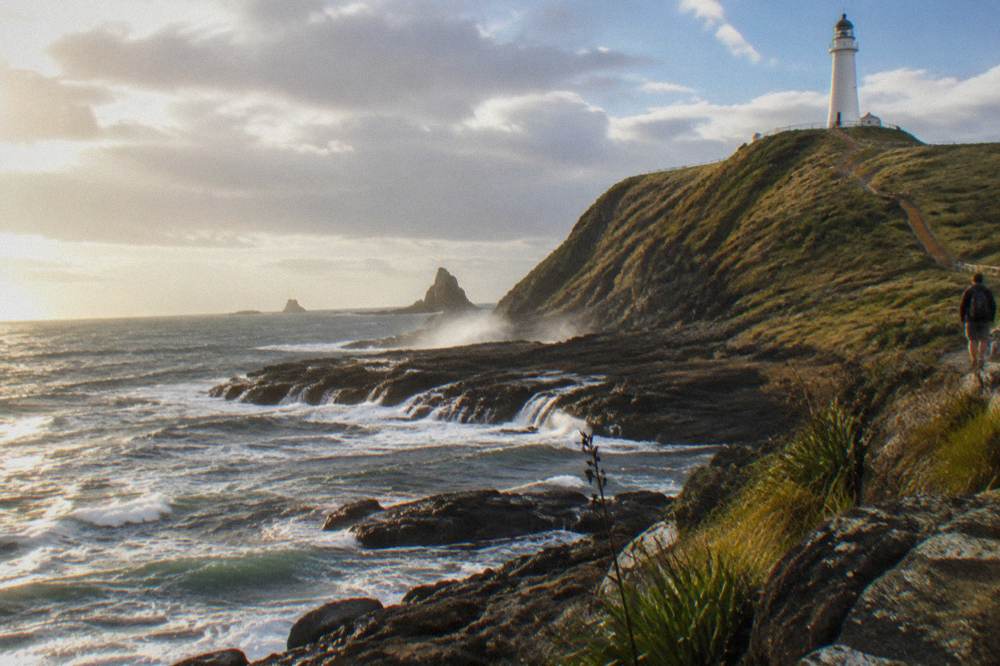
The lighthouse anchors the trip for many visitors. It was first lit in 1897, a cast iron tower 18 m tall standing 78 m above sea level, reached by 258 steps built up the cliff in 1912, with no public access inside. One practical caveat sits above everything else: check the South Wairarapa District Council road alerts before driving, because road conditions on that coast change and no tour page or official source gives a reliable standing status. The Cape Palliser day trip guide covers the planning side in more depth.
The two day trips suit different travellers in ways the prices alone do not show. The Martinborough trip uses vans, and the booking page is candid that guests must climb in unassisted via steps and grab rails, a detail anyone with mobility limits should weigh. Food differs as well: the Martinborough day includes a tapas or vineyard lunch plus dinner at the Lake Ferry Hotel or the Royal Hotel, while the private trip includes lunch.
What the pup count does and does not tell you is worth being precise about. At least 1,000 pups in one breeding season signals a genuine breeding colony, which is a different wildlife experience from the resting groups you meet closer to Wellington. But a preliminary count, treated with caution by the agency that produced it, is not a population figure, not a promise, and not a reason to expect a particular scene in a particular month. The tours themselves make no seasonal claim at all, and a sighting is never guaranteed.
Does The Season Change What A Seal Safari Feels Like?
Yes, more than it changes whether one runs. The windy Wellington south coast, which DOC itself describes as fast-changing weather, makes the same 3 hours 30 minutes feel like two different trips across months, with longer late September to early April daylight suiting a self-guided Red Rocks walk, calmer spells favouring a 4WD run to Cape Terawhiti, and tour weather policies, not seal behaviour, doing the cancelling.
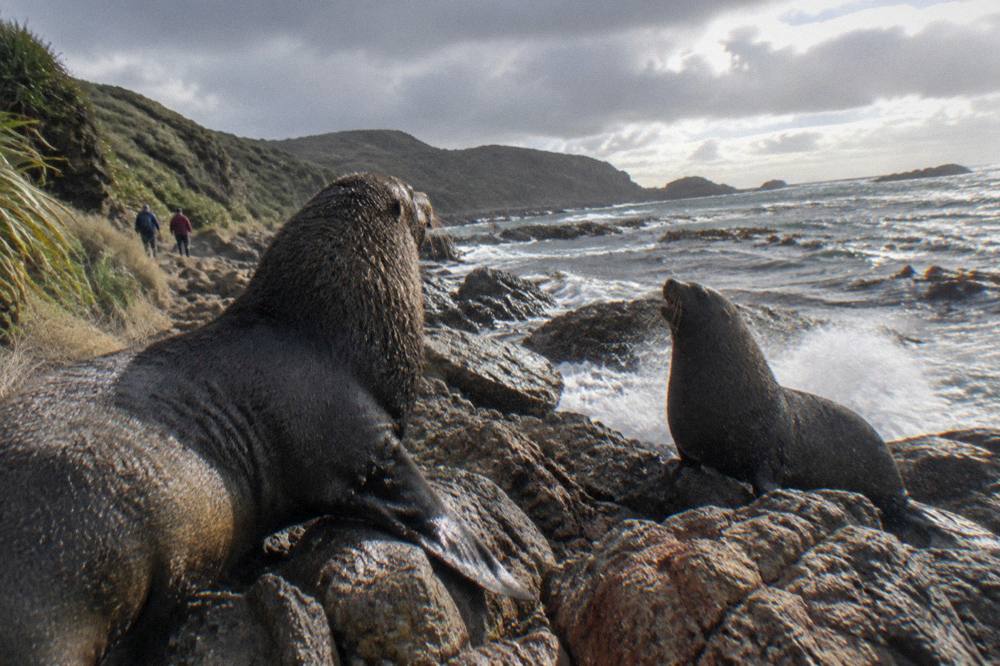
Daylight saving in New Zealand runs from the last Sunday of September to the first Sunday of April, and for a 2 to 3 hour return coastal walk that margin matters, since the Red Rocks track is unsealed and uneven underfoot. Winter brings the council's best-odds wording for the Red Rocks colony, along with shorter days and rougher conditions on an exposed coast. Taputeranga Marine Reserve, established in 2008, covers 855 hectares about 6 km from the city centre, with strong currents and changeable weather, so the marine environment around all of this is genuinely dynamic rather than a flat-water aquarium.
Practically, the timing decision folds into the booking decision. If your dates are fixed and the forecast looks marginal, the all-weather wording on the $110 half-day safari gives you route changes and a free date move rather than a cancellation. If your dates are flexible and you want the featured 10-guest 4WD trip, its good-weather requirement costs you nothing but a possible rebook, since a poor-weather cancellation offers a different date or a full refund. For a deeper comparison of the two products, the half day versus full day timing guide breaks down what fits which itinerary.
Photographers and early risers tend to ask a companion question about time of day rather than time of year, and there is a separate answer for that: the best time of day to see seals follows the tides and the sun, not the calendar. The two questions together, season and hour, are really one planning problem. Solve the season first, because it sets the weather and daylight you have to work with, then pick the hour.
How Far Ahead Should You Book A Seal Safari?
There is no published advance-booking window on any of these tours, so the honest answer is that dates, capacity and pickup logistics are what the booking pages show live. The featured safari caps groups at 10, the Zealandia walks at 12 and the City to Coast tour at 11.
Each booking page states a full refund if cancelled at least 24 hours before the start, each in its own wording, so an early booking is a low-risk one. The two safari booking pages are the cheapest seal-named tours at from $110 and from $111.80 per person, the Cape Palliser day trips run from $219, and the private options from $206.40, which means a family or group can compare the full spread before committing. On Wellington Seal Safari every figure shown carries its per-person basis from the operator's own booking page, so the comparison is like for like.
One seasonal wrinkle worth flagging: the Kapiti Island day tour on this site includes lunch at The Lodge, and the operator notes the Lodge is closed June to August, a food detail rather than a season, but one that changes what a winter Kapiti booking includes. Zealandia, for its part, opens every day except Christmas Day, with the sanctuary running 9:00 am to 5:00 pm and last entry at 4:00 pm, so general admission has a fixed daily window, and the booking page shows availability by date. Those are the kinds of operational facts that actually shift with the calendar, unlike the seals.
So, choosing among the lot, these three remain the strongest spread for a timing-driven trip: the featured small-group 4WD safari, its all-weather twin, and the private full day that adds Red Rocks to a city itinerary.
Common Questions About Seal Activity And Timing
What Time Of Year Are Seals Most Active?
Kekeno are most often seen in winter, and the booking page shows which dates each safari runs. Wellington City Council describes meeting them in winter at Te Rimurapa beyond Red Rocks, and no tour booking page states a season. Timing matters more for weather, daylight and tour cancellation terms than for seal presence.
When Can You See Seals At Red Rocks?
The council says you can meet the kekeno in winter just beyond Pariwhero at Te Rimurapa, on the 7.4 km, 2 to 3 hour return coastal walk from Owhiro Bay. It publishes no month range and no seal count, and the gate is closed to vehicles on Sundays.
Do Wellington Seal Safari Tours Run In Winter?
Yes. Neither Seal Coast Safari booking page names a season; each shows availability by date, and seals are most often seen in winter. The featured trip requires good weather with a different date or full refund if cancelled for poor conditions; its $110 twin runs in all weather with possible route changes and a free date move on 24 hours notice.
Is There A Best Season For The Cape Palliser Colony?
No season is stated on either Cape Palliser day trip. DOC's preliminary count found at least 1,000 pups there in the 2025/26 breeding season, a figure to treat with caution. Check the South Wairarapa District Council road alerts before driving, since road conditions on that coast change.
How Close Can You Get To The Seals?
DOC asks you to stay at least 20 m from seals onshore where you can, avoid coming between a fur seal and the sea, and keep dogs on a leash and well away. Disturbing a marine mammal is an offence under the Marine Mammals Protection Act 1978 carrying up to two years in prison or a fine up to $250,000.
Does Any Wellington Tour Guarantee A Seal Sighting?
No. None of the twelve tours on this site promises a sighting, a percentage chance or a season. Five of the twelve name seals on their itinerary, the Seal Coast Safari pair, the two Cape Palliser trips and one private sightseeing tour with a Red Rocks stop, and even those make no guarantee.