What's The Best Time Of Day To See Seals In Wellington?
No source sets a best time of day for seals on Wellington's south coast. Here is what is actually known, how tour departure slots work, and how to pick between them.
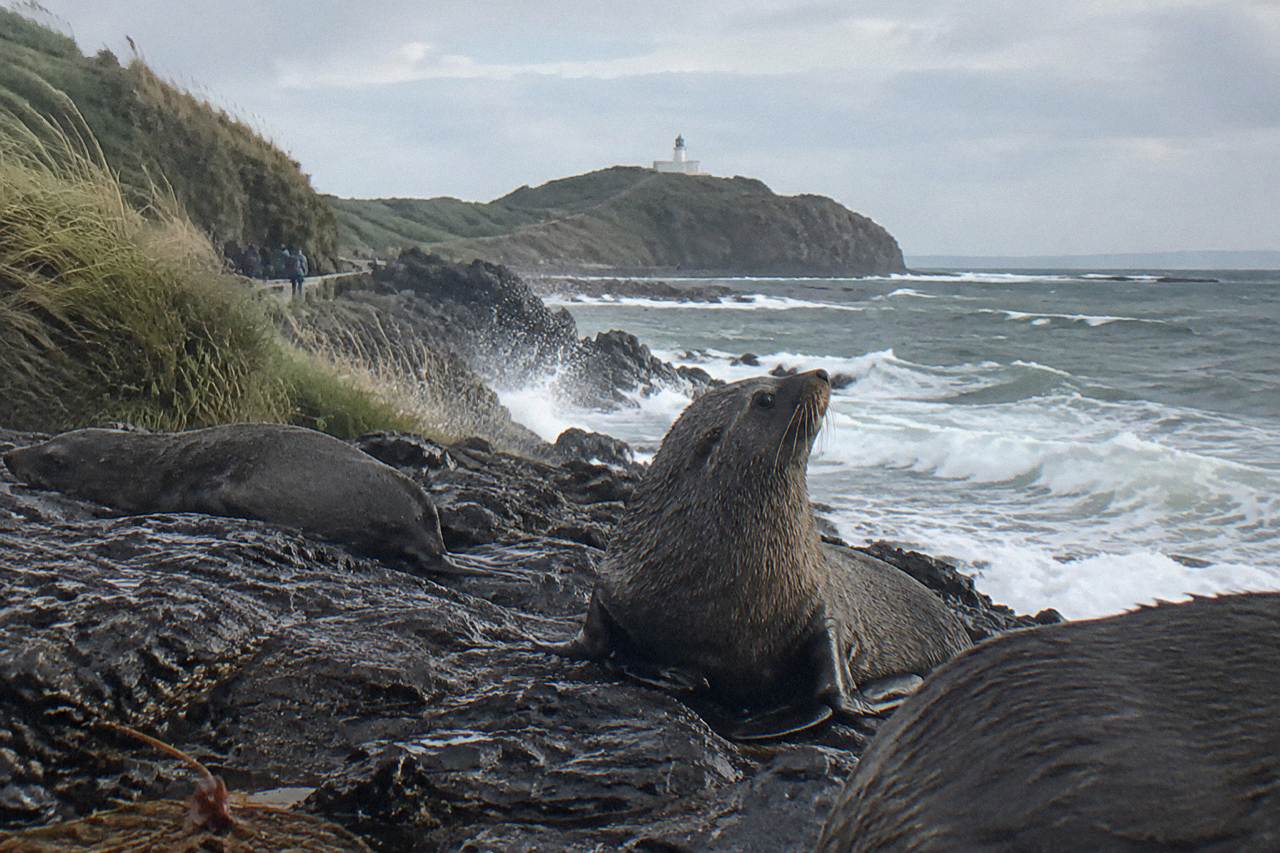
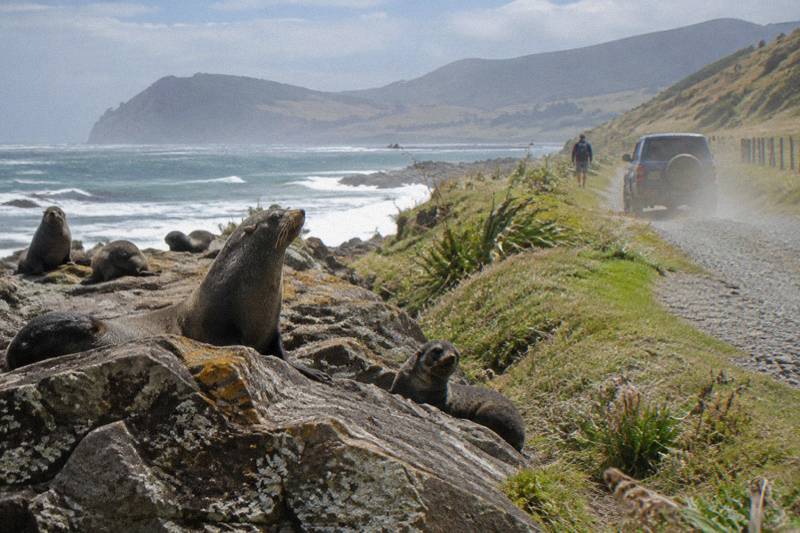
Kekeno, the New Zealand fur seal, is the most common seal in New Zealand and its population is growing, which is why they turn up along the capital's wild southern coastline at all. What no one can tell you is a magic hour. Neither the Department of Conservation nor Wellington City Council nor any tour operator in the region publishes a best time of day for seal watching, and no tour here promises a sighting of any kind. The honest answer is that seals rest on the rocks when they choose, and the thing a visitor actually controls is which departure slot to book, in which season, and under what weather.
That still leaves real decisions to make. This article walks through what is known about kekeno behaviour, how safari departure times are set, what separates a morning-style slot from an afternoon one, and how the rules on distance apply at any hour. It draws on the Department of Conservation's guidance, the council's own description of the Red Rocks coast, and the Wellington tours listed here, including the Exclusive Access Seal Coast Safari, the most reviewed seal tour in the city at 4.9 across 371 reviews.
There is no documented best time of day to see seals in Wellington. No official source and no operator publishes one, no tour here promises a sighting at any hour, and safari departure times are set by the operators themselves rather than by wildlife patterns. The practical answer is to book the slot that suits your day and accept that seals haul out on their own schedule.
The kekeno is a protected native animal under the Marine Mammals Protection Act 1978, and the agencies that manage them focus on distance rules and disturbance, not on timetables. DOC's guidance for watching seals onshore is about behaviour: stay at least 20 metres away where you can, never come between a seal and the sea, keep dogs on a lead and well away, and do not drive a vehicle closer than 50 metres to a marine mammal where you can. No source singles out a time of day.
What is documented is seasonal. Wellington City Council, which manages the Red Rocks coast at Te Kopahou, says you can meet the kekeno in winter just beyond Pariwhero at Te Rimurapa. The only seasonal statement here is that winter is when the council describes the Red Rocks colony as most visible. For a fuller treatment of the seasonal question, see the companion piece on seal watching months in Wellington.
One more reason no best hour exists: the two guided products on this coast do not even share a fixed shape you could time around. The featured safari caps its group at 10 and runs 3 hours 30 minutes, while the Wanderlust half-day product states no group maximum on its booking page at all. Minimum age is not stated on either. So the experience you are timing differs depending on which page you book through, even though the coast, the operator and the duration are the same. Timing questions therefore collapse into booking questions. Compare the two pages first, pick the one whose terms suit you, and only then choose among the departure slots that page actually shows for your date.
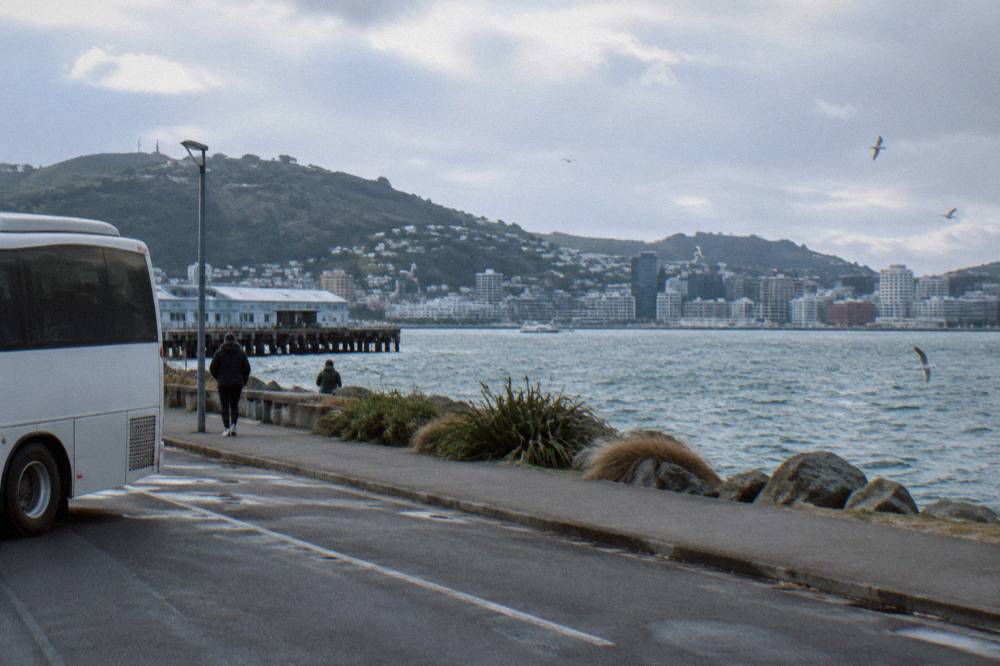
For visitors who want a guide rather than a self-guided walk, the choice of slot is really a choice of tour. The Seal Coast Safari runs 3 hours 30 minutes and is bookable on two pages, from $110 and $111.80 per person, with pickup from your Wellington hotel or the cruise terminal.
Do Seals Follow A Daily Rhythm On The South Coast?
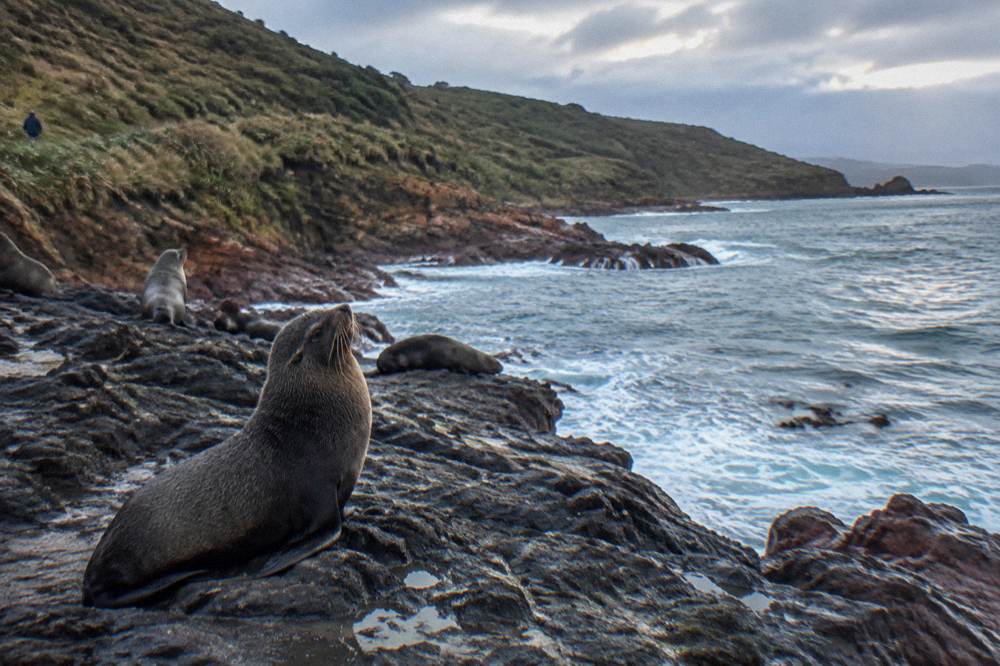
Kekeno feed at sea and haul out to rest, and individuals come and go across the whole day rather than appearing on a shared schedule. No Wellington source documents a reliable daily peak, and no operator or agency in the region claims one. Treat any stated best hour as folklore, not fact.
Fur seals are not clock animals in any published sense. DOC describes a growing nationwide population, with a 2026 modelled estimate of 208,536 to 251,644 animals, and its guidance centres on how to behave around them rather than when to arrive. A seal resting on a rock may have been there since dawn or may have hauled out an hour ago.
That has a practical consequence for slot picking. The variable that matters most is not the hour but the viewing conditions: the Wellington south coast is famously windy, the weather changes quickly, and glare, sea state and spray affect how much you see far more than the position of the sun. DOC's own description of the Taputeranga Marine Reserve area notes changeable weather and strong currents, and that applies to the whole exposed coast from Owhiro Bay westward.
A note on what the law adds to the rhythm question. Because kekeno are protected under the Marine Mammals Protection Act 1978, disturbing or harassing a seal is an offence at any hour, with a maximum penalty of two years imprisonment or a fine up to $250,000. That applies to an independent walker at dawn just as it does to a guided group at midday. The DOC hotline for harassment, injury or entanglement is 0800 362 468, worth saving if you walk the coast on your own.
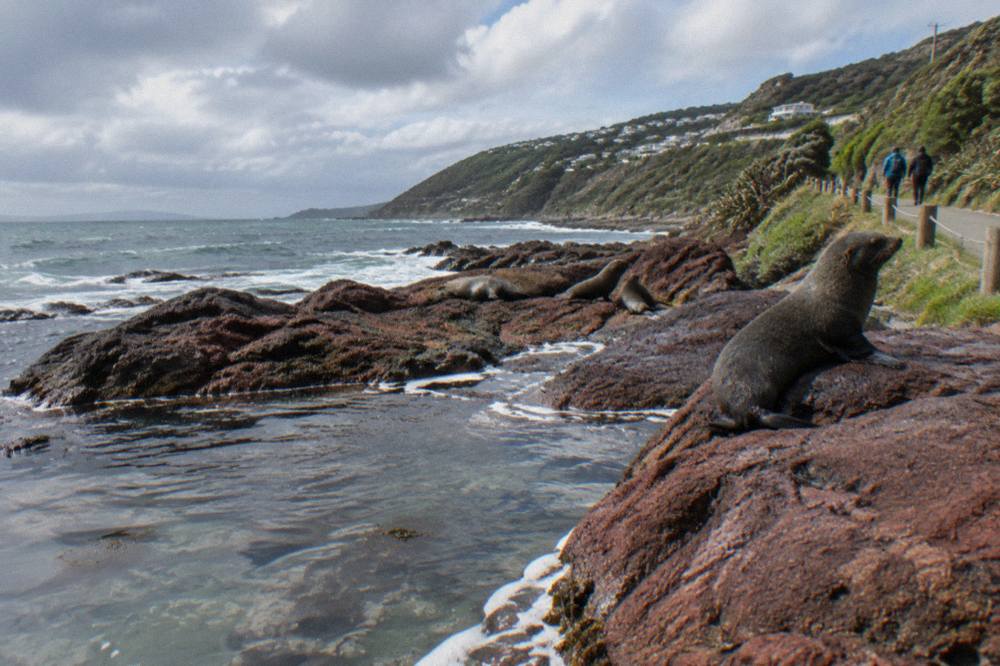
It also means patience beats timing. The Exclusive Access Seal Coast Safari spends its 3 hours 30 minutes crossing Terawhiti Station's private farmland to Cape Terawhiti, with a stop at Otari-Wilton's Bush on the way, and its group size is capped at 10.
How Do Seal Safari Departure Times Work?
Departure times are set by each operator, not by wildlife patterns, and the only reliable place to read them is the booking page for the specific tour. Neither safari product publishes a fixed public timetable here, and no source ties any departure slot to better seal odds. Pick a slot that fits your day, then confirm the exact time when you book.
This is the part of the question with a real answer, and it is shorter than people hope. Each operator sets its own departure times. The booking page for each tour shows the slots actually available on your date, and those can differ from day to day. Because no operator claims that one slot sees more seals than another, there is no basis for a recommendation here beyond the practical ones: cruise passengers need a slot that fits the ship's time in port, and families with young children usually prefer a slot that avoids nap time and hunger.
The two Seal Coast Safari bookings differ in one respect worth knowing before you choose. The Exclusive Access product's booking page says the experience requires good weather, and if it is cancelled for poor weather you are offered a different date or a full refund. The Wanderlust half-day product says the safari runs in all weather, that weather and other conditions may lead to route changes, and that a confirmed booking can be moved to another day at no charge with at least 24 hours notice. Same coast, same 3 hours 30 minutes, different weather philosophy: one bets on a fine window, the other goes anyway.
Pickup logistics shape your departure more than you might expect, and they differ between the two products. The featured safari picks up from your Wellington hotel or the cruise ship. The Wanderlust half-day product meets at central Wellington pickup points or the cruise terminal. Both state pickup as included. Cruise passengers should check which terminal arrangement fits their ship's schedule before choosing between the pages. The booking page for each product confirms the exact pickup arrangements and the slots available on your date, and neither states a minimum age, so families with very young children should ask the operator directly when booking.
Both carry the same cancellation baseline in their own wording: a full refund if cancelled at least 24 hours before the start. That matters for slot pickers, because it means you can hold a slot early in your trip and still move it if the forecast turns, which on this coast it does.
| Tour | Price from | Duration | Weather approach | Cancellation |
|---|---|---|---|---|
| Exclusive Access Seal Coast Safari | $111.80 per person | 3 hours 30 minutes | Requires good weather; poor-weather cancellation offers a different date or full refund | Full refund if cancelled at least 24 hours before the start |
| Wanderlust Half Day Seal Safari | $110.00 per person | 3 hours 30 minutes | Runs in all weather; routes may change; bookings moved free with 24 hours notice | Full refund if cancelled at least 24 hours before the start |
| Private Full Day Sightseeing | $206.40 per person | 7 hours | Weather terms on the booking page | Full refund if cancelled at least 24 hours before the start |
If a departure slot is the decision you are actually making, the comparison worth doing is between the two booking pages for the safari rather than between times of day. The Wanderlust Half Day Seal Safari runs from $110 per person with central Wellington or cruise terminal pickup, 4.9 across 342 reviews, and the same operator, the same coast and the same 3 hours 30 minutes are in play as on the featured product.
Morning Or Afternoon: Which Seal Safari Slot Suits You?
No evidence separates morning from afternoon for seal sightings in Wellington, so the honest comparison is about light, wind, sea state and your own schedule. Photographers may prefer the flatter light of early or late day, while anyone weather-sensitive should simply take the finest forecast window available and move the booking if it sours.
Light is the one factor a visitor can reason about without inventing wildlife facts. The south coast faces Cook Strait to the south and west, so the angle of the sun changes how the rocks and the animals read across the day, and glare off the water is worse when the sun is high. Anyone carrying a serious camera will want to think in those terms; the guide to photographing seals on a Wellington seal safari covers the practical side in detail, including why a long lens matters more than an hour.
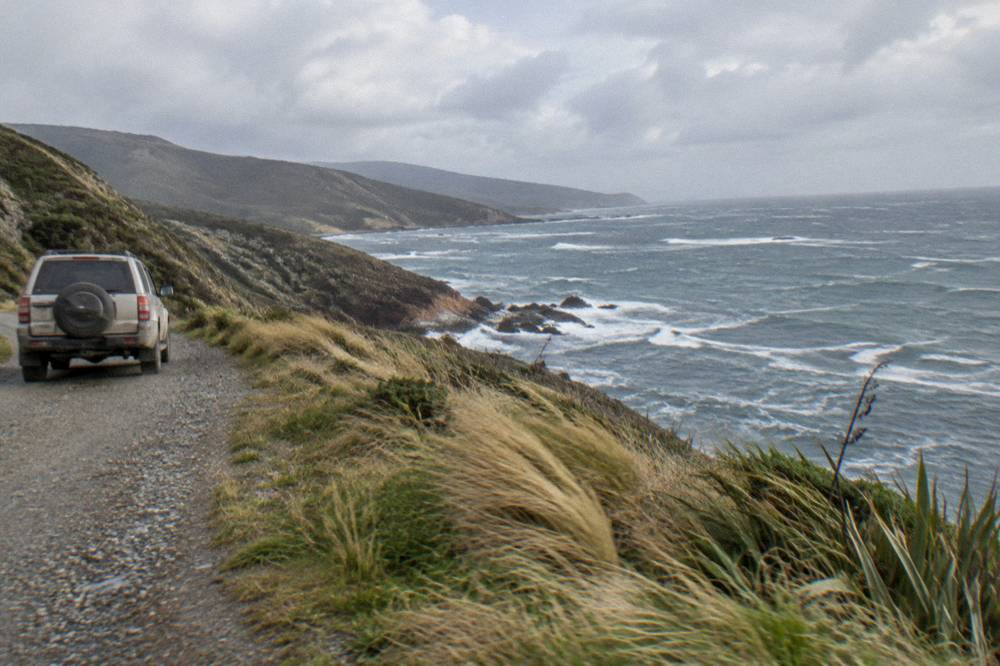
Wind is the Wellington variable that outranks everything. A strong southerly makes the coast cold, spray-laden and hard to scan with binoculars regardless of the time, and a calm overcast day at noon will beat a gale at dawn every time. Since the Wanderlust booking can be moved with 24 hours notice and the featured product offers a different date or a full refund if the operator cancels for poor weather, flexibility is worth more than slot choice.
Food is a small differentiator worth weighing when you pick a slot. The featured safari states no meal at all. Beyond that, the slot decision stays practical: neither page claims better sightings at any hour, the refreshment detail is the only stated difference between them on this front, and the rest comes down to your energy, your camera and the forecast you wake up to.
For day-trippers combining a safari with other plans, the arithmetic of the itinerary does the deciding. A 3 hour 30 minute safari with hotel pickup consumes a solid half-day block, so the slot you can reach from your hotel or ship on time, and that leaves room for the rest of your Wellington plans, is the right one. Visitors working through the options systematically may find the guide to Wellington seal safari prices useful for the budget side of that same calculation.
What About Season And Weather On The Day?
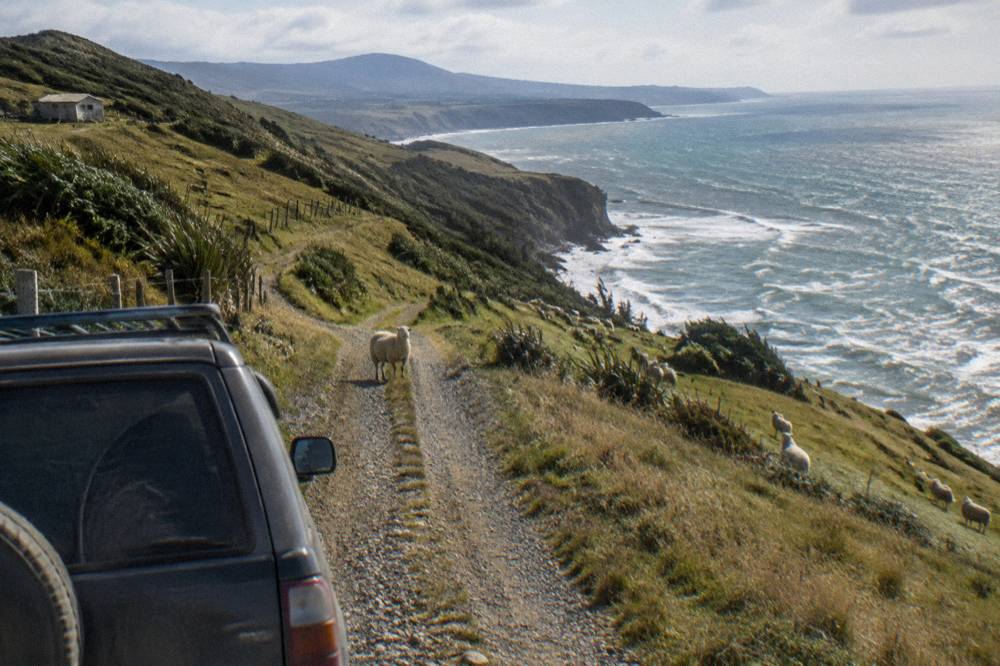
Season matters more than hour on this coast: the council describes Red Rocks as a winter encounter for kekeno. Weather on the day is the strongest factor of all, and both safari bookings allow a move or a refund when conditions force it, each in its own wording.
The seasonal picture splits by source, and honest copy keeps the split intact. Wellington City Council, for the self-guided Red Rocks walk from Owhiro Bay to Te Rimurapa, says you can meet the kekeno in winter.
Daylight is the quiet constraint. New Zealand daylight saving runs from the last Sunday in September to the first Sunday in April, which shapes how many usable hours a day holds outside the safari itself, and winter's short days mean an afternoon-style slot finishes closer to dusk. No clock times are published here because the operators set their own, and the booking page is where your exact slot is confirmed.
The clothing question follows from the wind question, and it has its own treatment in what to wear on a Wellington seal safari. The short version: this is a coast where the forecast deserves a check the evening before, whichever slot you hold.
How Close Can You Get To Seals At Any Time Of Day?
DOC's rule is at least 20 metres from seals onshore where you can, never between a seal and the sea, vehicles no closer than 50 metres where you can, and swimmers at least 5 metres. These distances apply identically at every hour, and harassment of marine mammals carries a maximum penalty of two years in prison or a fine up to $250,000.
The distance rules are the one part of seal watching that comes with exact numbers, and they hold regardless of when you visit. Onshore, keep 20 metres where you can; never get between a fur seal and the sea; keep dogs on a lead and well away; never touch a seal, because they can be aggressive and carry disease. At sea, vessels must keep at least 20 metres from the water's edge where seals may be present, swimmers at least 5 metres, and drones near marine mammals need DOC authorisation. The DOC hotline for harassment, injury or entanglement is 0800 362 468.
| Situation | DOC minimum distance |
|---|---|
| Seals onshore | 20 m where you can |
| Vehicles near a marine mammal | 50 m where you can |
| Vessels near the water's edge where seals may be present | 20 m |
| Swimmers | 5 m |
Tours handle this for you, which is part of what the fare buys. The private full-day sightseeing alternative below includes a Red Rocks stop, alongside Mount Victoria, the Weta Cave, the Cable Car and lunch, from $206.40 per person, 4.8 across 82 reviews.
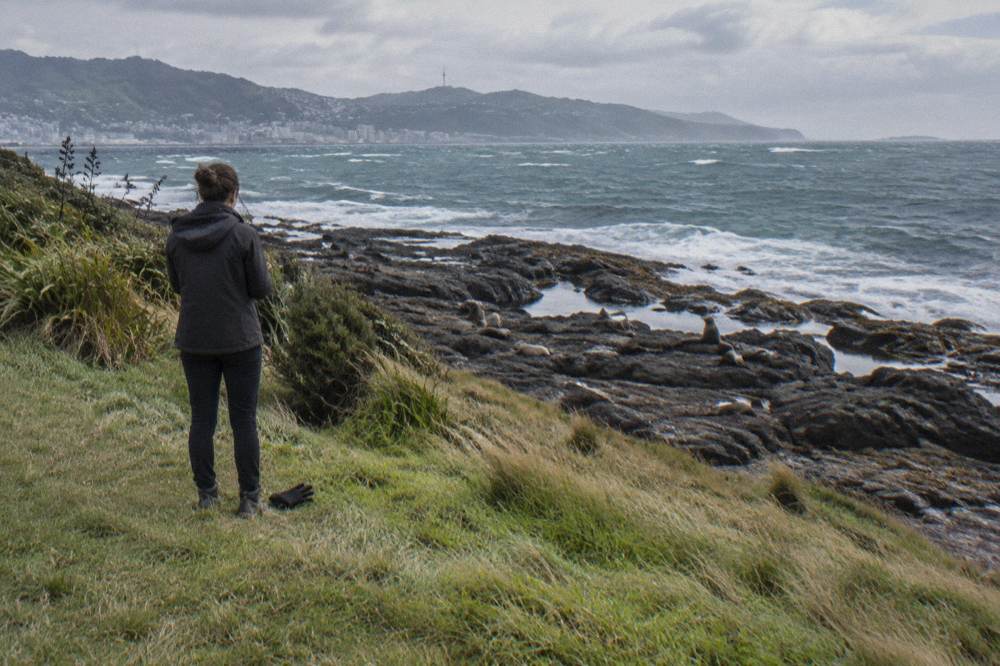
For anyone walking the coast independently, the council's Red Rocks route is 7.4 km, 2 to 3 hours return, an easy flat track from the car park at the end of Owhiro Bay past early-1900s baches to Devil's Gate at Te Rimurapa. The unsealed route is uneven and unsuitable for 2WD; it suits 4WD, walkers and mountain bikers, and the gate is closed to vehicles on Sundays while staying open to walkers and riders. Dogs go on leads, 20 metres from wildlife. Wellington Seal Safari compares every option on this coast so the do-it-yourself walk and the booked safari can be weighed side by side.
Common Questions About The Best Time Of Day To See Seals
What's The Best Time Of Day To See Seals?
There is no documented best time of day. Seals haul out to rest across the whole day, no official source or operator publishes a peak hour, and no Wellington tour promises a sighting at any time. Book the departure slot that suits your schedule and confirm the exact time on the booking page.
Are Seals More Active In The Morning Or Afternoon?
No Wellington source documents a difference. Individual kekeno feed at sea and rest on shore on their own schedules, so the animals present at a colony site change through the day in ways nobody can predict. Conditions like wind, glare and sea state affect viewing far more than the hour does.
Do The Seal Safaris Run In Bad Weather?
It depends on the booking. The Exclusive Access Seal Coast Safari requires good weather and offers a different date or a full refund if cancelled for poor conditions. The Wanderlust half-day product runs in all weather, may change its route, and can be moved to another day at no charge with at least 24 hours notice.
Can I Cancel A Seal Safari If The Forecast Turns?
Both Seal Coast Safari products offer a full refund if cancelled at least 24 hours before the start, each stated in its own booking terms. That 24-hour window is what makes holding an early slot in your trip workable: you can move it once the forecast firms up.
Is Winter Better For Seeing Seals In Wellington?
For the Red Rocks walk, the council describes the kekeno as a winter encounter at Te Rimurapa.
How Close Can I Get To A Seal?
DOC's rule is at least 20 metres onshore where you can, never between a seal and the sea, vehicles no closer than 50 metres where you can, and swimmers at least 5 metres. Never touch or feed a seal, keep dogs on a lead and well away, and keep children back.
The slot you book is the decision you control; the seals decide the rest. Between the featured safari, its same-coast alternative and the private full-day sightseeing option, here are the three products that fit a seal-focused visit to Wellington's south coast.