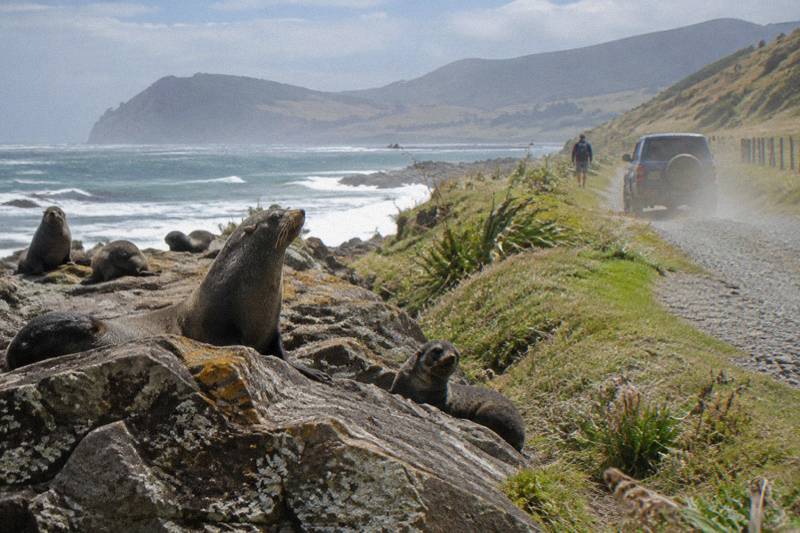
Photographing Seals On A Seal Safari In Wellington
Seal safari photography in Wellington comes down to three things: a 4WD route onto private farmland coast, a strict 20 metre rule around the animals, and changeable light on an exposed shore. Here is how the tours work and how to shoot them.
Short answer
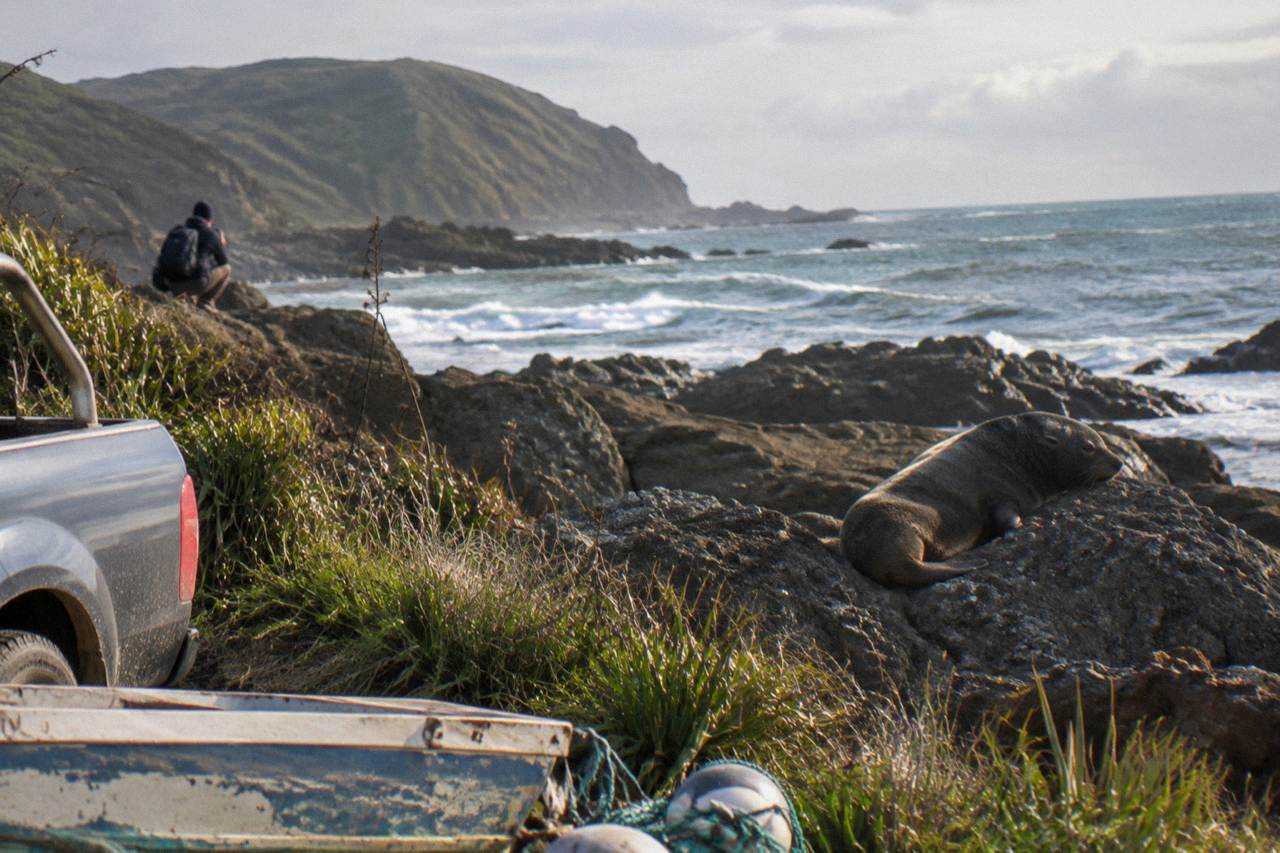
A Wellington seal safari puts a photographer on a 3 hours 30 minutes 4WD trip to Cape Terawhiti via Terawhiti Station, from $110 to $111.80 per person. You shoot from at least 20 metres away under Department of Conservation rules, so bring a long lens, weather protection and patience for wind and fast-changing light.
Wellington's south coast is one of the few places where a capital city, a fur seal colony and a serious wind all share the same frame. The Seal Coast Safari route runs from a city hotel onto Terawhiti Station, private farmland that reaches the water at Cape Terawhiti, and that combination is what makes it interesting for photographers: you arrive at a working coastal landscape by 4WD, with seals named on the itinerary and the whole trip done in 3 hours 30 minutes. Since the safari runs on fixed departure slots, choosing the best time of day to see Wellington's seals comes down to a few practical tradeoffs worth knowing before you book.
This guide is written for the photographer deciding whether that trip suits their plans. It covers what gear earns its place, what the distance rules mean for focal length, which of the available tours fits different shooting styles, and how the coastal weather shapes a day behind the lens. Every price, duration and review figure here comes from the booking pages; the wildlife rules come from the Department of Conservation, which enforces them.
What Camera Gear Works For Wellington Seal Tour Photography?
A long telephoto lens is the single most useful item, because the rules keep you at least 20 metres from any seal onshore, and a weather-sealed body matters more than a second lens, because the south coast is windy and the weather changes quickly. Beyond that, the trip rewards a light kit over an exhaustive one: you are shooting from and around a 4WD with a group of up to 10 people, not working from a hide.
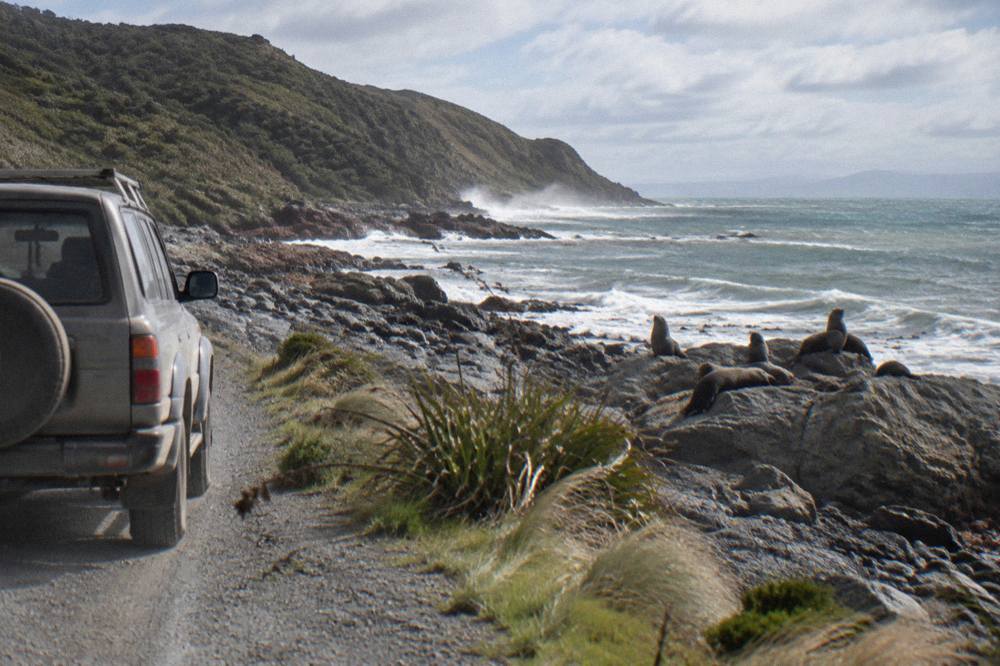
The 20 metre rule is the number that should drive your lens choice. The Department of Conservation's marine mammal rules ask people to stay at least 20 m from seals onshore where you can, avoid coming between a fur seal and the sea, and never touch a seal, which can be aggressive and carry disease. The longer your telephoto reach, the tighter the portrait you can make from that distance; a shorter telephoto still produces usable environmental frames where the greywacke and surf do part of the work. Photographers who shoot both will tell you the environmental frames often say more about this coast than the tight ones.
| Item | Why it matters here | Priority |
|---|---|---|
| Long telephoto lens | The 20 m rule makes long glass the only route to frame-filling shots | High |
| Weather-sealed body and lens | Wind and salt spray are near-constant on the south coast | High |
| Polarising filter | Tames glare off wet rock and open water | Medium |
| Lens cloth, several | Spray and drizzle find every front element | Medium |
| Stable handheld technique | Shooting from a vehicle track limits tripod use | Medium |
| Spare battery | Wind and cold drain batteries faster than usual | Low |
Two smaller points earn their keep. First, no loud noise around the animals, per the same DOC rules, so leave the shutter-release beeps off. Second, drones near marine mammals need DOC authorisation, so plan on ground-level photography only unless you have that paperwork in hand. For more on what the wind does to a day out here, the guide to safari weather and wind on the south coast breaks the conditions down month by month.
Where Does A Seal Safari Take You For Photos?
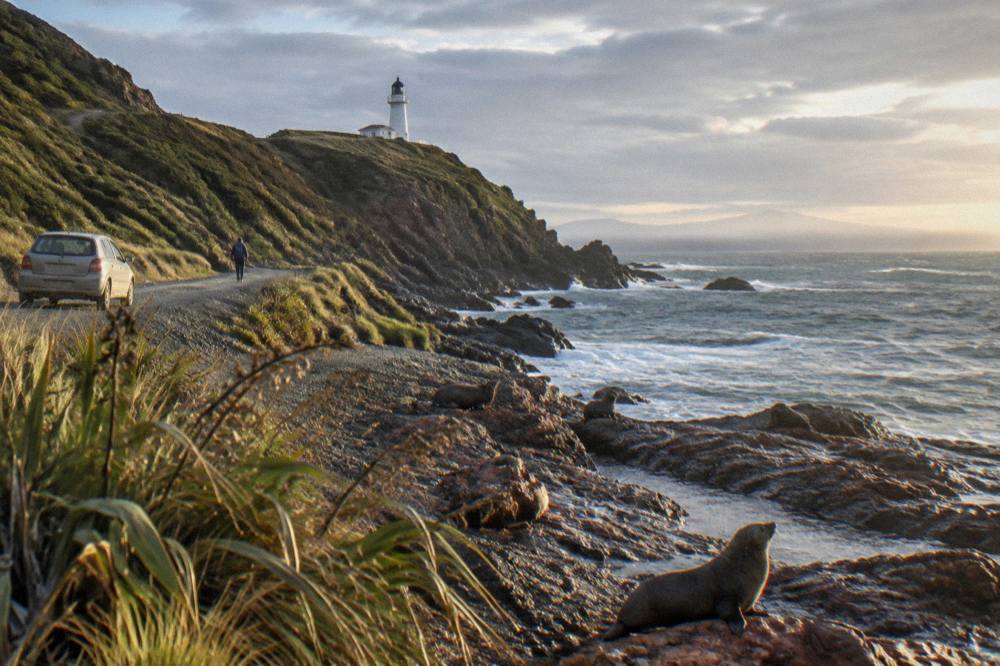
The Exclusive Access Seal Coast Safari runs from a Wellington hotel or cruise ship pickup through Otari-Wilton's Bush and Terawhiti Station, private farmland, to Cape Terawhiti, in 3 hours 30 minutes by 4WD Mercedes, from $111.80 per person, rated 4.9 across 371 reviews with a group capped at 10. That route is the photographic proposition: a native bush stop, a farm track, and a rugged coastal endpoint, all inside a half-day window that still leaves you the afternoon light elsewhere. Once the tour drops you back, the guide to free Wellington walks and seal watching lays out how the no-cost coastal options stack up against the paid safari on cost and time.
Otari-Wilton's Bush, the first named stop, is the only genuinely forested section of the itinerary, and it rewards a wider lens: fern detail, canopy, and possibly native bird life if you move slowly. Terawhiti Station is where the landscape opens up, working farmland running down towards the sea, and Cape Terawhiti is the coastal finish where the seals are named on the itinerary. The vehicle is a 4WD Mercedes, which matters to a photographer mainly as a stability and height consideration: you may be shooting from an elevated position on a track, so a fast enough shutter speed to beat vehicle and wind movement is worth setting before you arrive.
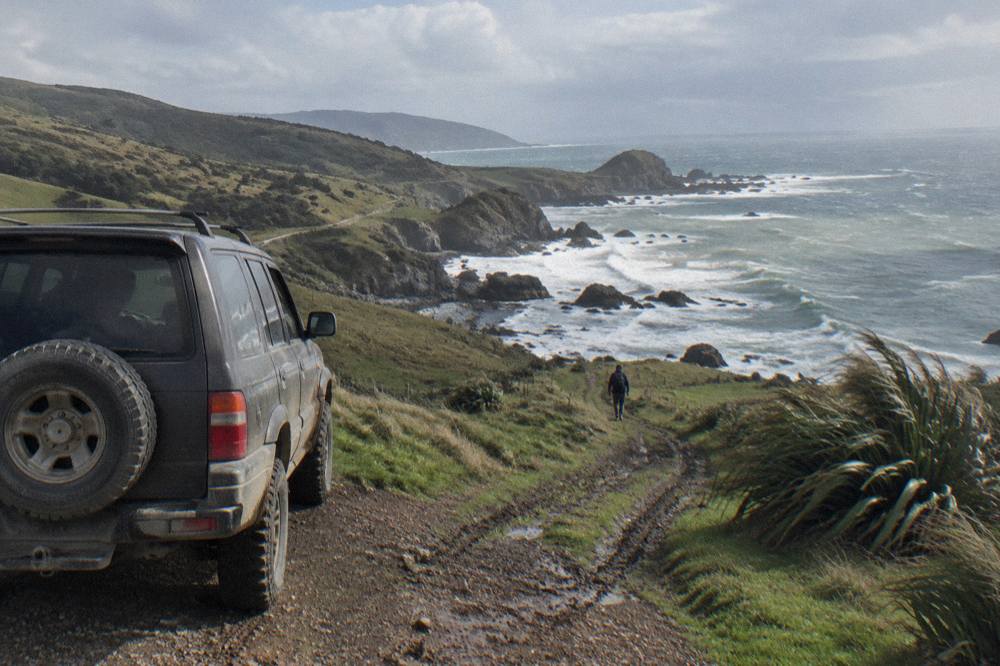
The price of admission to this route is modest by tour standards. The featured trip costs from $111.80 per person, rates 4.9 across 371 reviews, and caps the group at 10. A same-operator alternative exists, the Wanderlust Half Day Seal Safari at from $110.00 per person, 4.9 across 342 reviews, with Wellington central pickup or cruise terminal as its meeting point. Both are 3 hours 30 minutes. Neither booking page promises a seal sighting, and no honest summary should either: the itinerary names the seals, the coast does the rest.
For readers weighing other ways onto the water, the comparison of Wellington seal safari tours side by side covers every tour, and the overview of day tours compared from Wellington places the safari against city and wine alternatives.
How Close Can You Get To Seals For A Photo?
Stay at least 20 metres from seals onshore where you can, never position yourself between a fur seal and the sea, and keep vehicles at least 50 metres from a marine mammal where possible; these are Department of Conservation rules, not courtesy suggestions. For a photographer, they define the entire shoot: your composition starts at 20 m and your respect for the animal's escape route to the water defines where you stand. Even careful photographers occasionally get too close, so the guide to what to do if a seal bites explains how to treat a scratch and when to seek help.
The rules exist because disturbance has real consequences. Pups can be abandoned if disturbed, and the Marine Mammals Protection Act 1978 makes harassing or disturbing seals, whales and dolphins an offence carrying a maximum penalty of two years in prison or a fine up to $250,000. On a safari the operator manages the approach, which is one of the quiet advantages of paying for the trip: the operator's positioning does the compliance work while you concentrate on the frame. Dogs must be kept on a leash and well away, children kept back, no feeding, no loud noise.
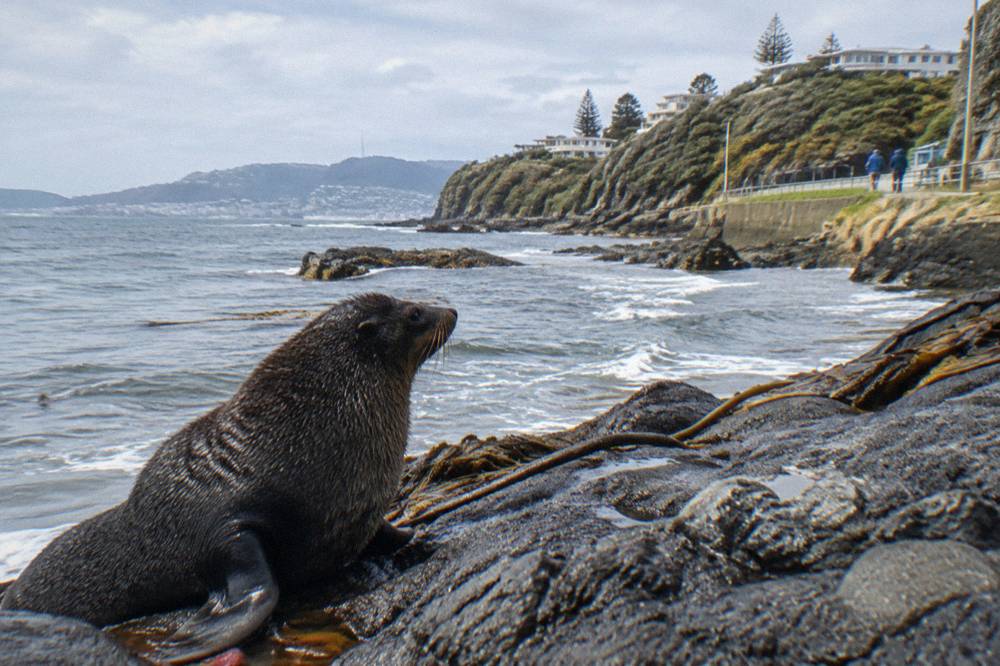
At sea the numbers shift, though they matter less on this trip: vessels keep at least 20 m from the water's edge where seals may be present, and swimmers at least 5 m. The one rule photographers most often trip over unintentionally is the drone rule, since aerial seal footage looks tempting and requires DOC authorisation. If you see harassment, injury or entanglement, the DOC hotline is 0800 DOC HOT (0800 362 468). The full guidance sits on the DOC rules around marine mammals page.
| Situation | Minimum distance | Source |
|---|---|---|
| Person onshore near a seal | 20 m | DOC |
| Vehicle near a marine mammal | 50 m where you can | DOC |
| Vessel near the water's edge | 20 m | DOC |
| Swimmer near a seal | 5 m | DOC |
| Drone near a marine mammal | Not permitted without DOC authorisation | DOC |
What Settings Handle A Moving Vehicle And Coastal Light?
Start with a fast shutter speed to freeze fur and spray, open the aperture wide for subject separation, and let ISO float, because coastal light in Wellington changes faster than most photographers re-meter, and wind on a long lens punishes every slow handheld frame. Beyond that tripod-free baseline, the settings that survive a windy shoreline are the ones you can change without taking your eye from the viewfinder.
The south coast is windy and the weather changes quickly, as DOC itself notes about this stretch of water and shore. Practically, that means two things for exposure. First, dark wet rock plays havoc with matrix metering, so expect to dial in negative exposure compensation to keep a wet seal's fur from blowing out against shadowed stone. Second, the light will move from hard sun to flat overcast within a single 3 hours 30 minute trip, so shoot raw and re-check your histogram at each stop rather than trusting the first good frame. The rest of the planning pages sit on Wellington Seal Safari.
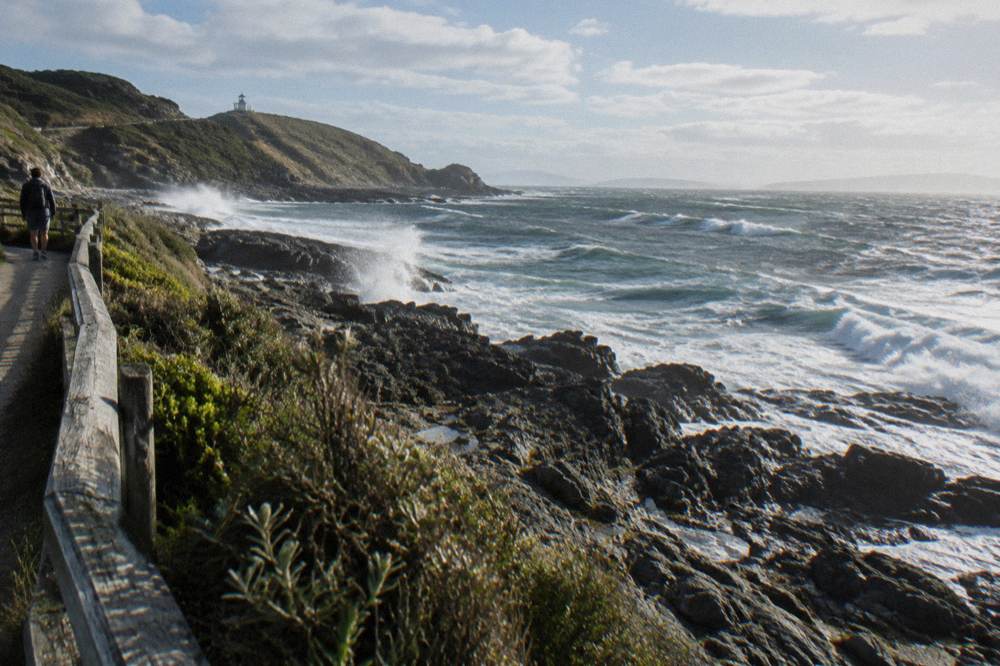
Shutter speed deserves the last word because it is the setting people get wrong. A seal porpoising through surf, or even shaking water off its fur, needs more speed than a resting animal, and wind pushing your long lens turns every handheld frame into a stability test. Brace against the vehicle when the group pauses, tuck your elbows, and if the light is generous, spend it on shutter speed before anything else.
Which Wellington Tour Should A Photographer Pick?
Photographers who want the fastest route to coastal seal frames pick a Seal Coast Safari at from $110.00 to $111.80 per person; photographers building a full day around landscapes, a lighthouse and a longer drive look at the Cape Palliser trips from $219.00, and private tours buy control over pace and stops. The right pick depends on whether your camera is travelling with you or you are travelling with your camera.
The Wanderlust Half Day Seal Safari is the tighter budget option at from $110.00 per person, 4.9 across 342 reviews, meeting at Wellington central pickup or the cruise terminal. It runs the same 3 hours 30 minutes shape as its sister trip. Its weather stance differs in a way photographers should note: the operator says the safari runs in all weather, that weather and other conditions may lead to route changes, and that a confirmed booking can be moved to another day at no charge with at least 24 hours notice. The featured Exclusive Access trip instead requires good weather, and a poor-weather cancellation brings a different date or a full refund. Both read a full refund if cancelled at least 24 hours before the start, each in its own terms.
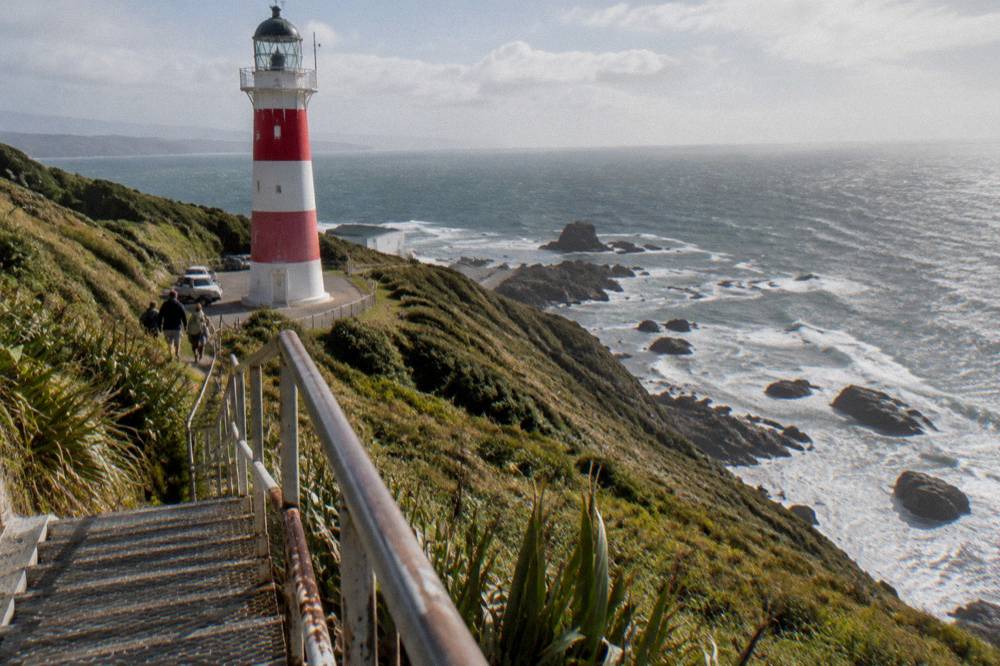
The Martinborough Winery, 10-Hour Day Trip is a different animal altogether: a 10-hour van day from Wellington hotel pickup at from $219.00 per person, 4.8 across 24 reviews, with a Ngawi seal colony stop and the Cape Palliser Lighthouse on the itinerary, plus a tapas or vineyard lunch and dinner at Lake Ferry Hotel or the Royal Hotel. For a photographer, that is a dawn-to-dusk day with two very different subjects, coastal wildlife and a cast iron lighthouse tower from 1897 with 258 steps up the cliff, though there is no public access inside the tower itself. The operator notes guests must climb into the vans unassisted via steps and grab rails, worth knowing if your camera bag is a two-hander.
| Tour | Price from | Duration | Rating and reviews | Best photographic fit |
|---|---|---|---|---|
| Exclusive Access Seal Coast Safari | $111.80 per person | 3 hours 30 minutes | 4.9 across 371 | Fast half-day coastal seal frames |
| Wanderlust Half Day Seal Safari | $110.00 per person | 3 hours 30 minutes | 4.9 across 342 | Same route shape, lower price |
| Martinborough Winery, 10-Hour Day Trip | $219.00 per person | 10 hours | 4.8 across 24 | Full day with a seal colony and lighthouse |
| Private Full Day, Meal Included | $206.40 per person | 7 hours | 4.8 across 82 | Private pace with a Red Rocks stop |
| Scenic Full Day, Meal Included | $359.48 per person | Not stated | 5.0 across 28 | Private full day with lunch |
A close read of the table suggests the real decision hinges on the weather clause rather than the fare. The two booking pages for the safari sit $1.80 apart, and both hold a 4.9 rating, one across 371 reviews and the other across 342, so reputation offers no tie-breaker. Flexibility is what separates them. The Wanderlust runs in all weather, moves a confirmed booking to another day at no charge on 24 hours notice, and meets at Wellington central pickup or the cruise terminal, while the Exclusive Access trip also picks up from Wellington hotels or the cruise ship. The Exclusive Access trip requires good weather and cancels into a different date or a full refund when conditions turn, a reasonable trade for photographers who would rather reschedule than shoot coastal wildlife through rain. Book either one early in your stay so the 24-hour move window stays open.
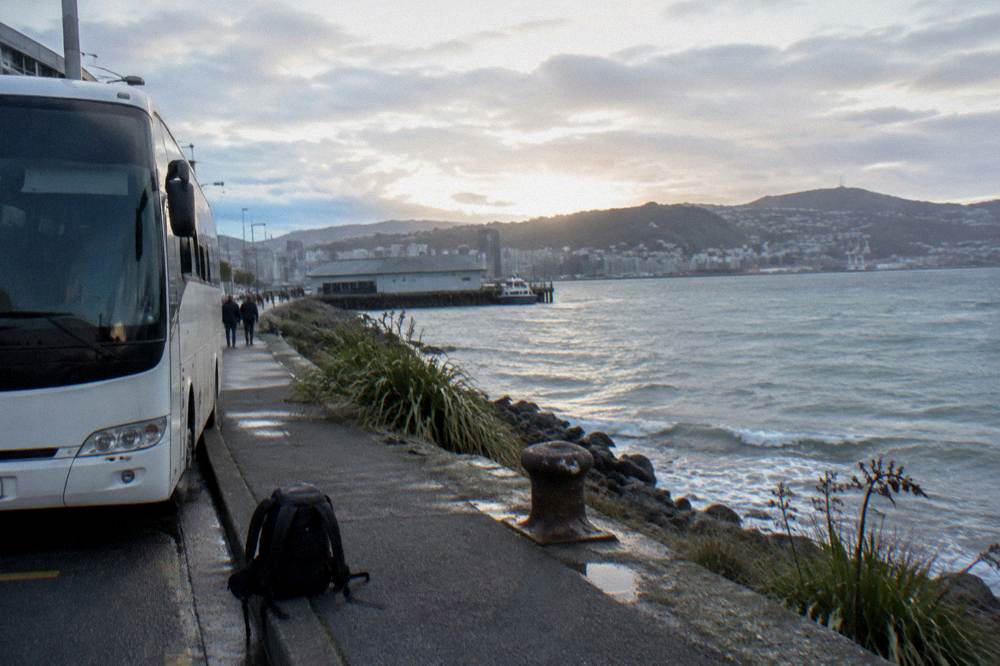
The Martinborough day rewards a different kind of planning. At $219 for ten hours against $110 for three and a half, the long trip spreads its cost across roughly three times the shooting time, and it stacks two subjects that rarely share a frame: a Ngawi seal colony and an 1897 cast iron lighthouse reached by a 258-step climb. Build your kit around that climb. There is no public access inside the tower, so every lighthouse image happens from outside, and boarding the van via steps and grab rails, with no assistance available, argues for a one-body, two-lens setup over a heavy load. Wellington hotel pickup removes a meeting-point scramble at the start, while the tapas or vineyard lunch and the dinner at Lake Ferry Hotel or the Royal Hotel carry you through a schedule that runs from morning to night.
The private rows of the table serve photographers whose priority is pace. At $206.40 per person for seven hours, the Private Full Day option lands $12.60 below the 10-hour trip while adding a Red Rocks stop and control over how long you hold any position, whether that means waiting for a seal to settle into good light or lingering past a standard turnaround. The Scenic Full Day at $359.48 is the premium outlier, pairing a 5.0 rating with lunch and a duration the operator leaves unstated, so confirm the hours before you commit. Note the review base behind that perfect score: 28 reviews against 371 and 342 for the half-day safaris, a small sample for a big promise. Whichever row you pick, the 24-hour refund window across the seal safaris gives you a low-risk way to hold a seat while the forecast firms up.
What Weather Should Photographers Plan Around?
Plan for wind first and rain second: the south coast is windy, the weather changes quickly, and the two safari booking pages treat weather differently, one running in all conditions with possible route changes and the other offering a different date or full refund if poor weather cancels the trip. Wind is the element that reshapes a photography day, not just comfort.
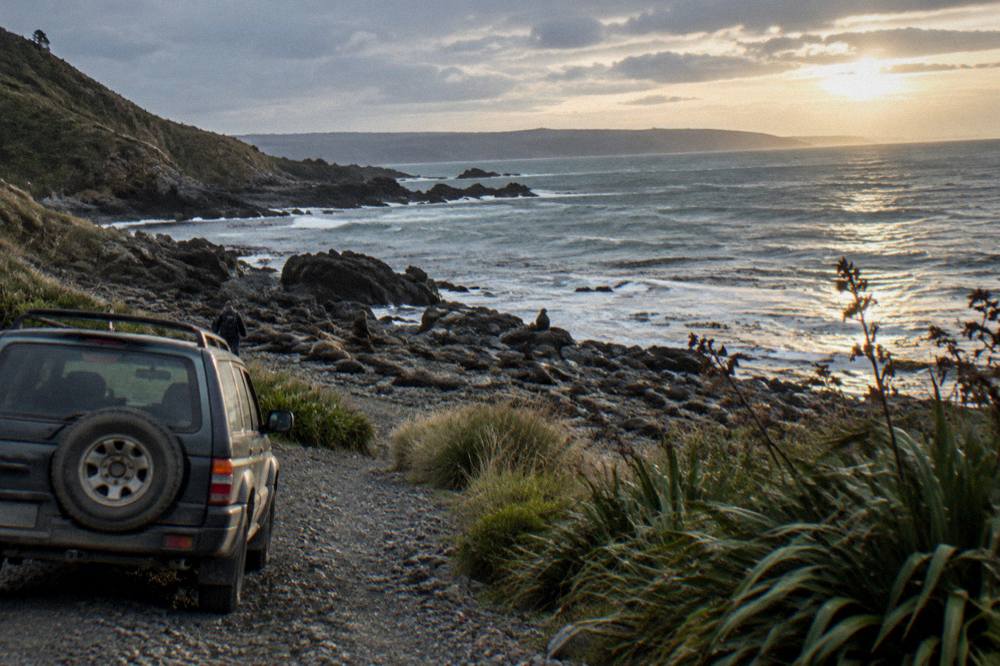
For gear, that means hoods up, straps secured, and no lens swaps in the open if spray is flying. For light, the good news is that overcast coastal conditions flatter wet fur and dark rock, softening contrast that full sun would turn harsh. The bad news is that a windy shoreline will find every weak point in a bag's weather sealing. The seasonal note photographers ask about most, when seals are most visible, has one plain answer: the council describes meeting kekeno in winter just beyond Pariwhero on the Red Rocks walk, and neither safari booking page states a season.
Cancellation terms are per tour, so read them individually. The featured safari and the private Cape Palliser tour say the experience requires good weather and that a poor-weather cancellation brings a different date or a full refund. The Wanderlust half day and the Zealandia day tour run in all weather, and the Wanderlust routes may change. Each booking page states a full refund if cancelled at least 24 hours before the start, worded its own way.
Is A Seal Safari Better Than Red Rocks For Photography?
A seal safari delivers access via 4WD across private farmland to Cape Terawhiti with a guide and a 3 hours 30 minute schedule, while Red Rocks is a free, self-guided 7.4 km return walk where you set the pace, carry everything and follow the same 20 metre rules on foot. Neither is strictly better; they answer different questions about how a photographer likes to work.
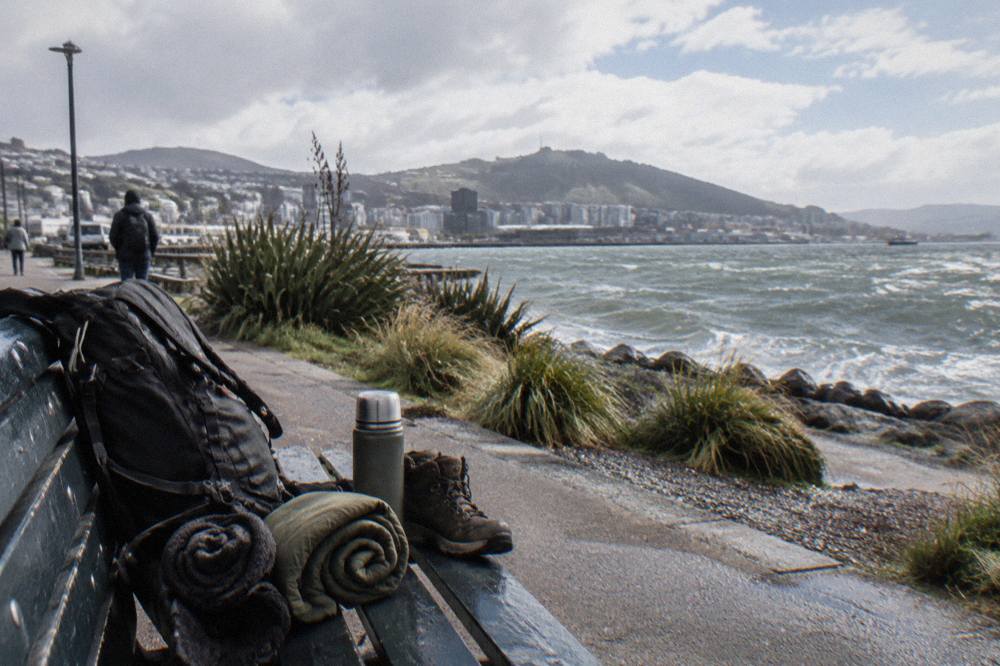
The Red Rocks walk, the Pariwhero Red Rocks Coastal Walk, runs 2 to 3 hours return from the car park at the end of Owhiro Bay, an easy flat track past early-1900s baches toward Devil's Gate at Te Rimurapa. The route is unsealed and uneven, unsuitable for 2WD, and the gate is closed to vehicles on Sundays, though walkers and mountain bikers can still pass. The red rocks themselves are ancient volcanic pillow lava in greywacke, and the reserve dates from 1972, so the geology is a photographic subject in its own right. The council says you can meet the kekeno in winter just beyond Pariwhero at Te Rimurapa. The walk also skirts Taputeranga Marine Reserve, established in 2008, 855 hectares of protected water about 6 km from the city centre, where no fishing or gathering is allowed and the same dog and distance rules apply.
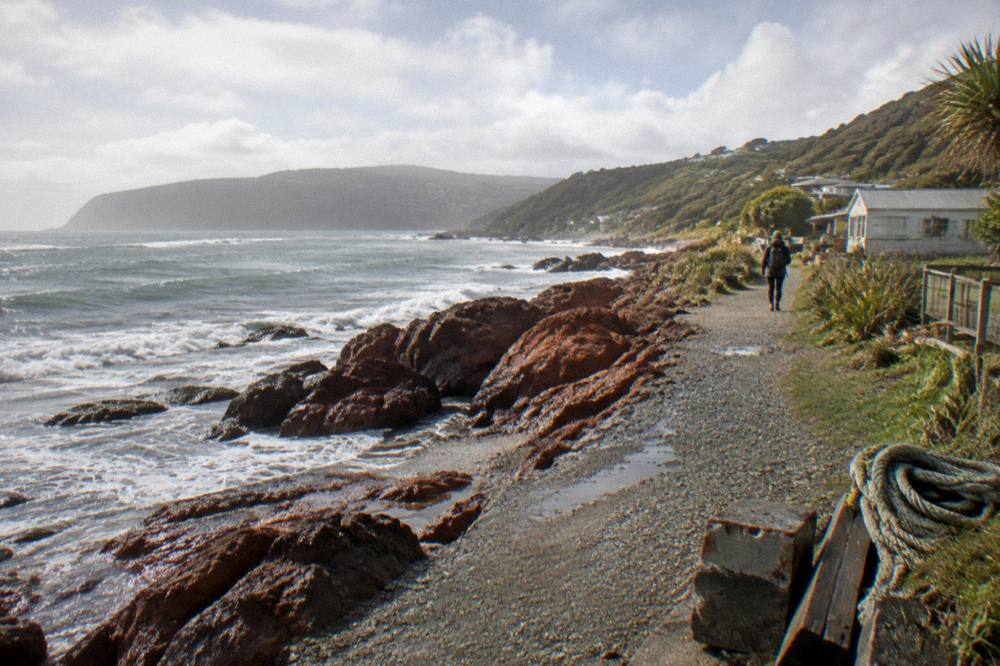
The honest comparison for a photographer is time versus control. On the safari you trade the freedom to wait an hour for the light for a vehicle, hotel pickup and a fixed window. On the walk you trade those comforts for the track itself, carrying your own kit 7.4 km return. The deeper comparison, including how the two routes stack up for visitors without a car, is in Red Rocks walk versus seal safari. One more option belongs in this conversation: the Private Full Day sightseeing tour, from $206.40 per person, 4.8 across 82 reviews, 7 hours with lunch and hotel or port pickup, includes a Red Rocks stop among city highlights, a way to reach the walk's photographic territory without doing the full distance on foot.
The choice, in the end, is about what kind of photographer you are on a given day. Guided access buys efficiency and local knowledge on a tight schedule; the self-guided walk buys time and silence. Some visitors do both across two days, and the photographers who enjoy this coast most are usually the ones who matched the format to their patience rather than their budget.
Common Questions About Photographing Seals On A Wellington Seal Tour
What Lens Do You Need For Seal Safari Photography In Wellington?
Because the Department of Conservation asks you to stay at least 20 m from seals onshore, a long telephoto is the practical choice for tight frames, with a shorter lens handling environmental shots that include the rocks and surf.
Can You Use A Drone To Photograph Seals On Wellington's South Coast?
Not without authorisation. Drones near marine mammals need DOC authorisation, regardless of altitude or intent, so plan on ground-level photography unless you hold that approval.
Do Wellington Seal Tours Guarantee A Seal Sighting For Photographers?
No. Neither Seal Coast Safari booking page promises a sighting, and no tour on this site does. The itineraries name seals and the coast does the rest; bring patience along with the long lens.
How Much Does A Wellington Seal Safari Cost For Photographers?
The two Seal Coast Safari booking pages run from $110.00 and $111.80 per person for 3 hours 30 minutes. Longer days with seal stops start at $219.00 for the 10-hour Cape Palliser trip, and the private full day sightseeing tour is from $206.40 per person.
Is A Seal Safari Or The Red Rocks Walk Better For Photos?
The safari gives you 4WD access across private farmland to Cape Terawhiti in a fixed 3 hours 30 minute window. The Red Rocks walk is free and self-guided, 7.4 km return, letting you wait for the light at your own pace. It depends whether you value access or control.
What Weather Rules Apply To Wellington Seal Safari Photography?
The featured safari requires good weather and offers a different date or a full refund if poor weather cancels it. The Wanderlust half day runs in all weather with possible route changes. Both can be cancelled for a full refund up to 24 hours before the start.