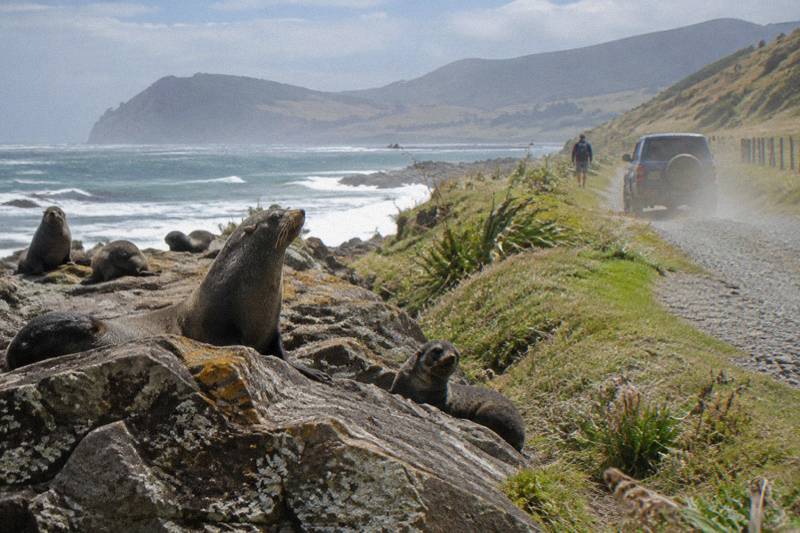
Seal Watching Tours Wellington: Tour Versus On Your Own
Five of the twelve tours on this site name seals in their itineraries. The rest are wildlife trips of a different kind. Here is how the guided options compare with walking the coast yourself, and what each way of watching seals actually costs.
Short answer
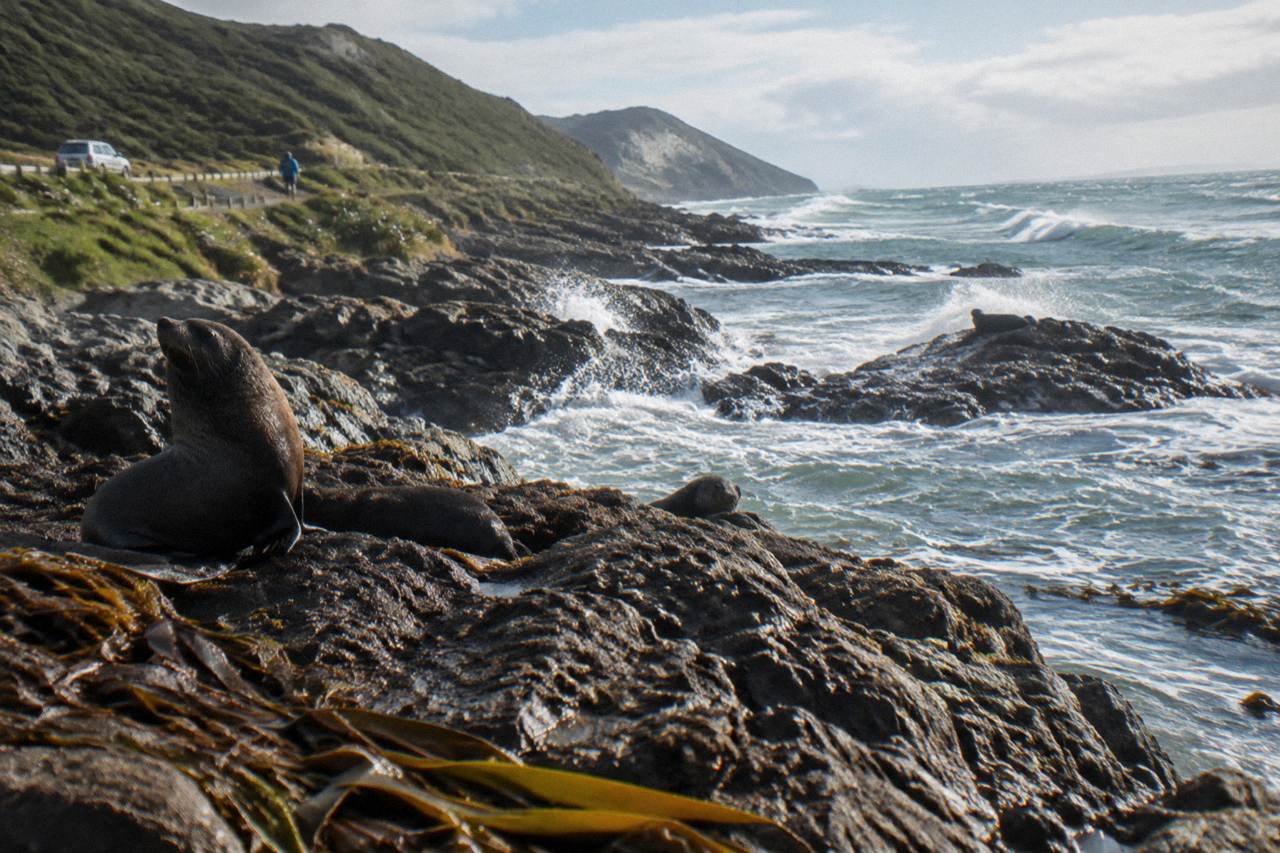
Seal watching tours in Wellington runs from $110 per person for the 3 hours 30 minutes Seal Coast Safari to $359.48 per person for a private Cape Palliser full day. The free alternative is the 7.4 km Red Rocks coastal walk, which the council grades as easy and 2 to 3 hours return.
Wellington's south coast puts a fur seal colony within sight of a capital city, and that shapes the whole decision a visitor faces. Five of the twelve tours compared on this site name seals in their itineraries: the two Seal Coast Safari options, two Cape Palliser day trips with a seal colony stop, and one private sightseeing tour that calls at Red Rocks. The other seven make no seal claim at all, which matters if watching seals is the point of the day. The free alternative, the Red Rocks coastal walk from Owhiro Bay, needs no booking, no vehicle and no guide. This guide works through both routes: what each guided tour says, what it costs, where it starts, and what the rules say about watching seals on your own. Whichever way you lean, the detailed comparison of Red Rocks seal tours shows which trips stop at the colony and how the free walk stacks up against them.
What Does Seal Watching In Wellington Actually Involve?
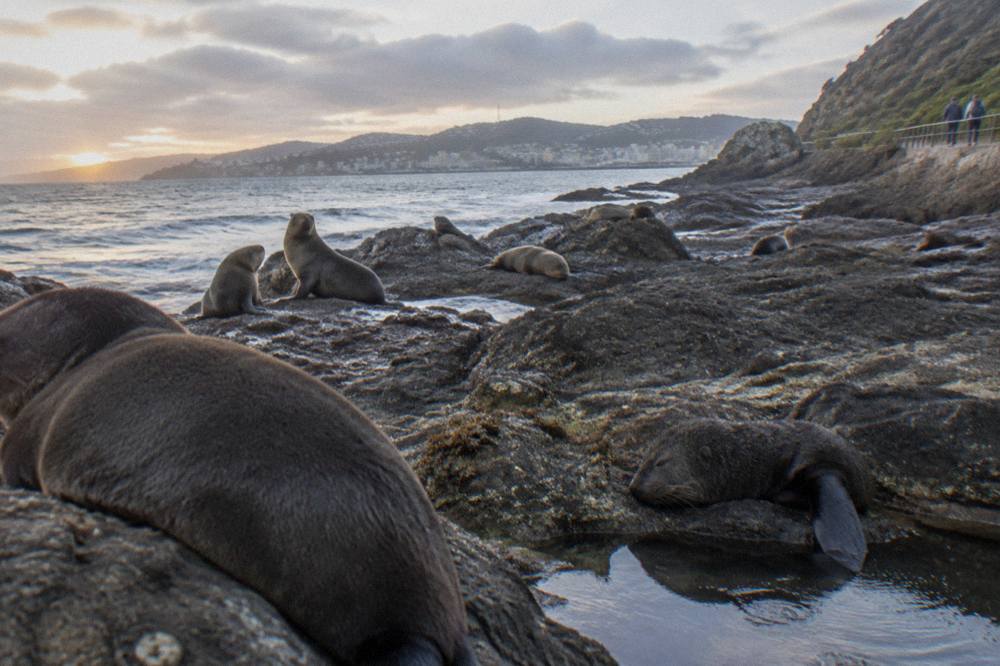
Seal watching in Wellington means either a guided drive along the exposed south coast to private farmland at Cape Terawhiti, a full-day trip around the coast to the Cape Palliser colony in the Wairarapa, or a self-guided walk from Owhiro Bay to the Red Rocks area. The animal in question is the kekeno, the New Zealand fur seal, which the Department of Conservation describes as the most common seal in the country and a growing population.
The kekeno is the species behind every seal claim on this coast. DOC's 2026 nationwide modelled estimate puts the population between 208,536 and 251,644 animals, and a preliminary direct count at Cape Palliser found at least 1,000 pups in the 2025/26 breeding season, a figure DOC itself asks to be treated with caution. Those numbers explain why seals keep turning up along this shoreline at all: the population is expanding, and the south coast's rocky platforms give haul-out animals somewhere to rest.
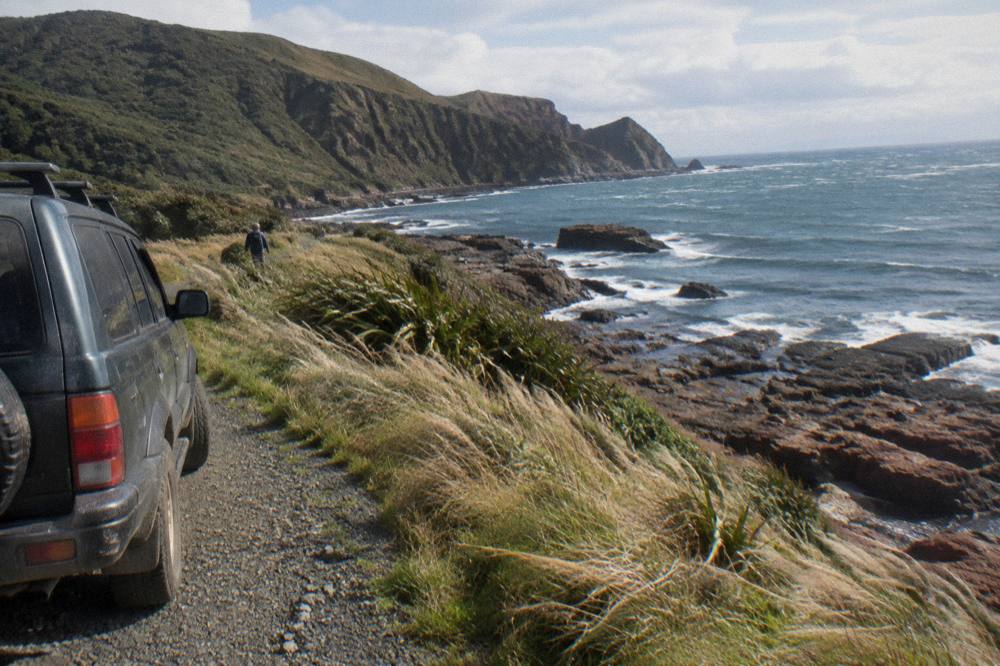
No operator on this site promises a sighting. The itineraries name seals as part of the route, and the sea does the rest. That is a normal and honest arrangement for wild animals, and it is worth holding in mind when comparing a paid tour against a free walk: neither route comes with a guarantee, so the money buys access, interpretation and transport rather than certainty. For a fuller picture of where seals can be seen around the region, see where you can watch seals in Wellington.
The council describes winter as the season when you can meet the kekeno at the Red Rocks end of the coast. Go expecting rock, wind and sea, treat any seal as the highlight rather than the itinerary.
Which Tours Name Seals In Wellington?
Five tours name seals: the Exclusive Access Seal Coast Safari at $111.80 per person, the Wanderlust Half Day Seal Safari at $110.00 per person, the Martinborough Winery and South Wairarapa day trip at $219.00, the Scenic Full Day at $359.48, and the Private Full Day sightseeing tour at $206.40, all per person. The two cheapest are the same operator on two booking platforms, both rated 4.9.
That shortlist is the honest starting point for a seal-focused day. The Seal Coast Safari is one product sold on two booking pages: the same operator, the same 3 hours 30 minutes duration, both rated 4.9, with 371 reviews on the exclusive access page and 342 on the half day page. Both run 4WD vehicles and both pick up from Wellington hotels or the cruise terminal. If you're bringing children along, the family guide to Wellington seal safaris spells out age rules and pickup options before you book.
The Cape Palliser pair works differently. These are long days, 10 hours for the Martinborough trip, and they wrap the seal colony stop inside a wider Wairarapa itinerary that includes wineries and the lighthouse. They suit a traveller who wants a full region in one day rather than a concentrated look at one coastline. The private full day sightseeing tour is the fifth seal-naming option, and it takes a different route again: city highlights first, then Red Rocks, where the itinerary describes seals in their natural environment.
The table below puts the five seal-naming tours side by side on the facts that decide most bookings: price, duration, where the day starts, and how large the review pool is.
| Tour | Price from | Duration | Starts | Rating |
|---|---|---|---|---|
| Exclusive Access Seal Coast Safari | $111.80 per person | 3 hours 30 minutes | Wellington hotel or cruise ship pickup | 4.9 across 371 reviews |
| Wanderlust Half Day Seal Safari | $110.00 per person | 3 hours 30 minutes | Wellington central pickup or cruise terminal | 4.9 across 342 reviews |
| Martinborough Winery, 10-Hour Day Trip | $219.00 per person | 10 hours | Wellington hotel pickup | 4.8 across 24 reviews |
| Scenic Full Day, Meal Included | $359.48 per person | Not stated | Wellington hotel or port pickup | 5.0 across 28 reviews |
| Private Full Day, Meal Included | $206.40 per person | 7 hours | Wellington hotel or port pickup | 4.8 across 82 reviews |
A note on what those ratings can and cannot tell you. A 4.9 across 371 reviews is a strong signal from a large pool. A 5.0 across 28 reviews is a perfect score from a small one, and a 4.8 across 24 reviews is thinner again. Review counts matter as much as the number in front of them, which is why both appear together throughout this site. The deeper comparison of the two Seal Coast Safari products lives in the Seal Coast Safari guide.
Where Does The Seal Coast Safari Actually Go?
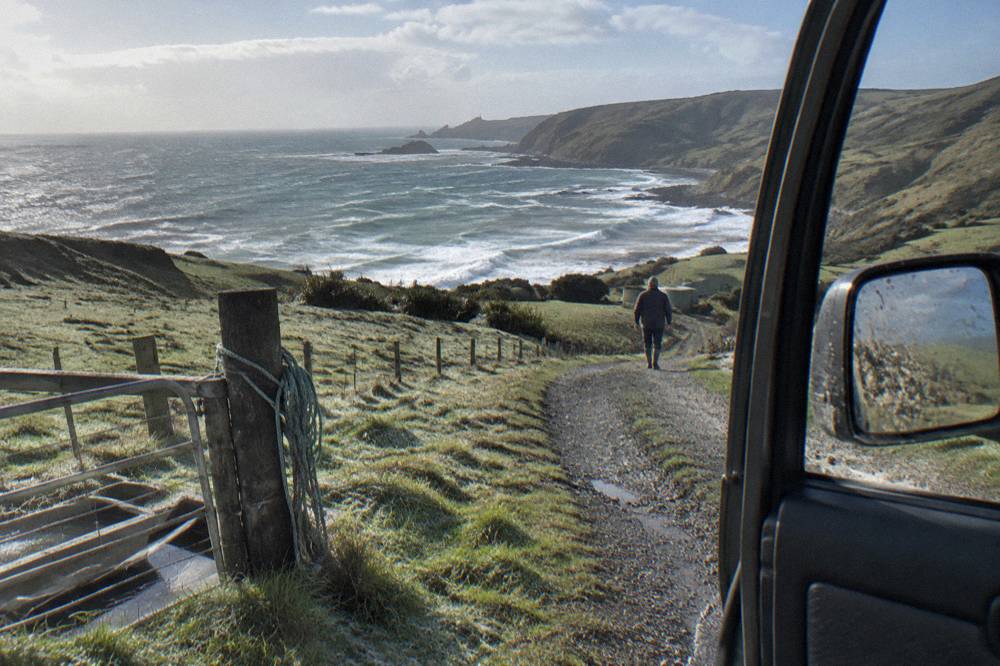
The Seal Coast Safari route runs from Wellington to Otari-Wilton's Bush, then across Terawhiti Station, private farmland on the exposed south coast, to Cape Terawhiti, in a 4WD vehicle over 3 hours 30 minutes. It does not go to Red Rocks or to Sinclair Head; those names belong to the separate council walk.
The itinerary is the thing that separates this tour from every other way of watching seals around Wellington. Terawhiti Station is private farmland, and access is the operator's selling point. Cape Terawhiti is the destination headland, and Otari-Wilton's Bush, a native plant reserve on the city side of the trip, comes first. The exclusive access version caps the group at 10 and picks up from your Wellington hotel or the cruise ship.
Health and mobility terms appear on this booking page, and they are specific to it: the operator says the trip is not recommended for travellers with back, neck or heart conditions or who are pregnant, and that it is not wheelchair accessible. Minimum age is not stated, so families should check age terms on the booking page before reserving. Cancellation on this tour is a full refund if you cancel at least 24 hours before the start. Weather wording is specific too: the operator requires good weather, and a poor-weather cancellation brings a different date or a full refund.
The half day twin differs in one respect worth flagging here. Its operator says the safari runs in all weather, that routes may change with conditions, and that a confirmed booking can be moved to another day at no charge with at least 24 hours notice. That is a genuinely different posture toward the same coastline, and it suits a traveller whose dates are fixed and who would rather roll with the conditions than reschedule. Both versions of the trip are covered in more detail in the dedicated Seal Coast Safari page.
One more practical point. Because both pickups are from central Wellington, neither safari version involves finding a coastal car park or reading a track marker. That convenience is a real part of what the fare buys, and it is the first thing the free alternative asks you to give up.
Can You Watch Seals At Red Rocks Without A Tour?
Yes. The Pariwhero Red Rocks coastal walk is a free, council-managed route of 7.4 km taking 2 to 3 hours return from the car park at the end of Owhiro Bay, graded easy and flat, and the council says you can meet the kekeno there in winter. The gate is closed to vehicles on Sundays, though walkers and mountain bikers can still pass.
This is the honest budget answer to seal watching in Wellington, and it asks more of you than any tour does. The track runs from the Te Kopahou Reserve entrance at Owhiro Bay past early-1900s baches to Devil's Gate at Te Rimurapa. The surface is unsealed and uneven, and the council says it is unsuitable for 2WD vehicles, so the realistic options are walking, cycling or a 4WD. The red rocks themselves are ancient volcanic pillow lava set in greywacke, inside a scientific reserve created in 1972, so the walk has geology to carry it even on a day when the seals stay out at sea.
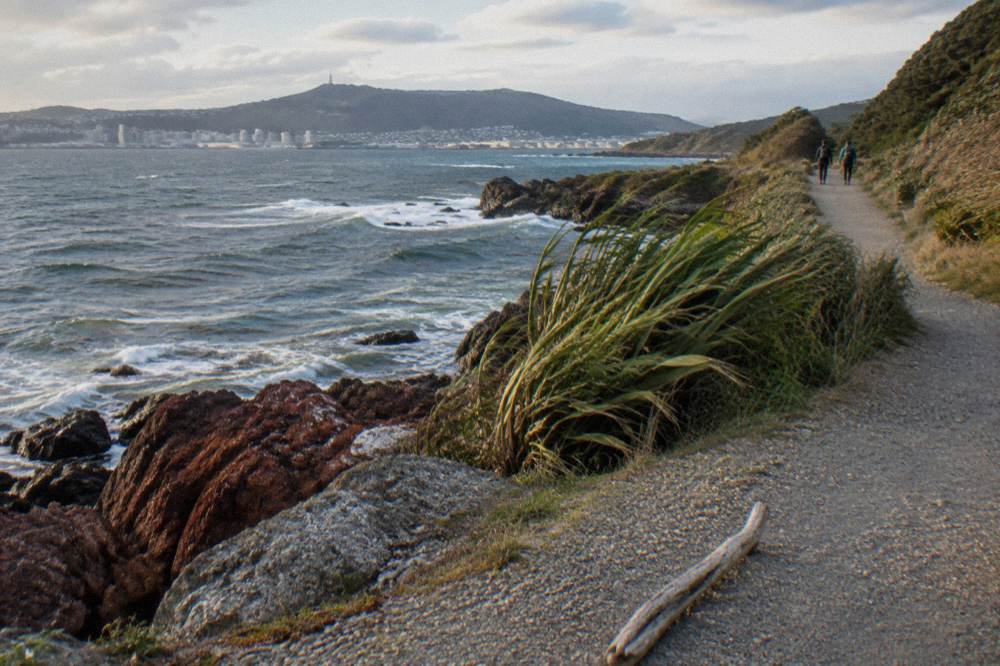
The comparison with the safari is not really about seals, since neither promises any. It is about the coast itself. The walk gives you the shore under your own feet at no cost, with wind and the Sunday gate and a car park to find. The safari gives you private farmland at Cape Terawhiti that the walk cannot reach, and a pickup from your door. The trade-offs are laid out in detail in the Red Rocks walk versus seal safari comparison, and the winter question specifically is covered in whether you can see seals in Wellington in winter.
Dogs are allowed on the walk on a lead, with the council asking owners to keep them well away from wildlife. The Taputeranga Marine Reserve, established in 2008 and covering 855 hectares about 6 km from the city centre, sits along this same stretch of coast: no fishing or gathering of marine life is allowed there.
How Close Can You Get To Seals When Watching?
Onshore, the Department of Conservation asks people to stay at least 20 m from seals where possible, to never come between a seal and the sea, and to keep vehicles at least 50 m away from a marine mammal where possible. In the water, vessels keep 20 m and swimmers 5 m. Touching a seal is never permitted, and harassment carries a maximum penalty of two years in prison or a $250,000 fine.
These distances are DOC guidance, and the Marine Mammals Protection Act 1978, which protects seals, whales and dolphins, covers disturbing or harassing them. They apply on the council walk just as much as on any tour. The Department of Conservation publishes the rules at its marine mammal rules page, and they are worth reading before a first seal encounter anywhere in New Zealand. The reasons are practical, not just legal: pups can be abandoned if disturbed, seals can be aggressive and carry disease, and feeding them changes their behaviour. Drones near marine mammals need DOC authorisation.
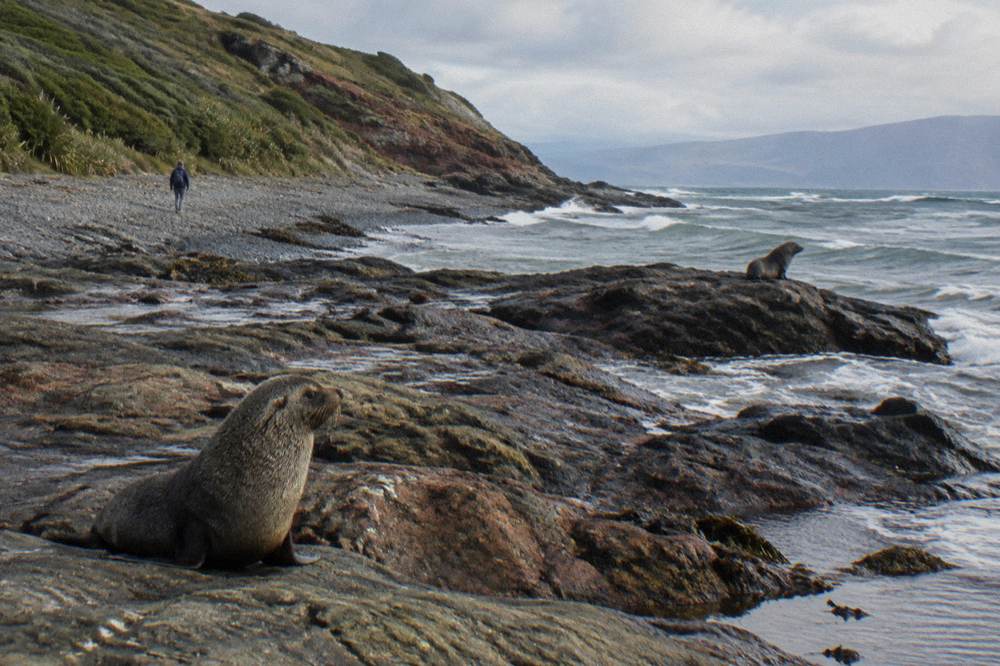
A guided tour and a solo walk handle these rules differently, and that is a genuine point in the tours' favour for a first-time watcher. A guide sets the group's distance and pace, points out animals you would walk past, and knows the local haul-out spots. On your own at Red Rocks, the 20 m rule and the "never between a seal and the sea" rule are yours to judge, with dogs and children to manage beside you. Neither route is wrong. One simply carries the rules for you.
The council's own Red Rocks guidance, including the dog and distance rules for that specific walk, is at the Pariwhero Red Rocks walk page on the Wellington City Council site. If you see a seal harassed, injured or entangled anywhere on this coast, DOC's hotline is 0800 DOC HOT, 0800 362 468.
What Do The Cape Palliser Day Trips Offer A Seal Watcher?
Two Cape Palliser trips include a seal colony stop: the Martinborough Winery and South Wairarapa day trip, from $219.00 per person over 10 hours with hotel pickup, and the Scenic Full Day, from $359.48 per person with lunch, private, from your hotel or the port. Both also visit the Cape Palliser Lighthouse, first lit in 1897, with 258 steps built in 1912 up the cliff.
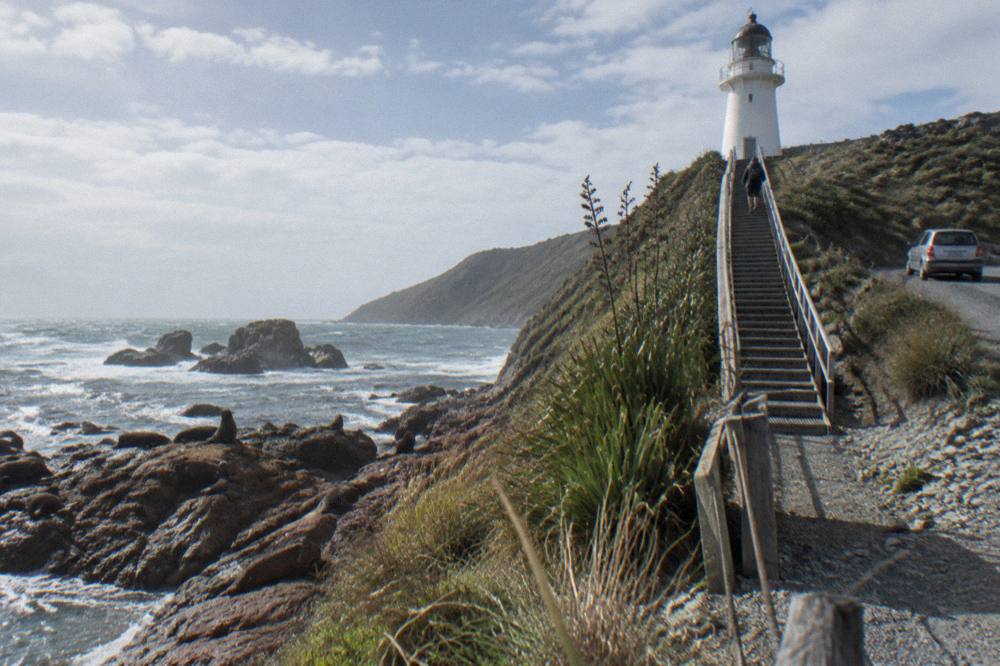
The appeal of the Cape Palliser route is scale. This is the wilder coast of the Wairarapa, reached over the Remutaka Hill on the scenic full day, and the trips combine the colony with wineries around Martinborough and the lighthouse at the end of the road. The 10-hour Martinborough trip includes a tapas or vineyard lunch and dinner at Lake Ferry Hotel, which makes it a full food day as much as a wildlife one. It runs in vans, and the operator notes guests must climb in unassisted via steps and grab rails, a detail worth knowing for anyone with limited mobility. Cancellation is a full refund at least 24 hours before the start.
The Scenic Full Day is the private option, rated 5.0 across 28 reviews, with lunch included and a route that takes in Parliament, Kaitoke, the Remutaka Hill, Martinborough wineries, and the lighthouse and seal colony. Its total duration is not stated on the booking page, so plan for a full day by the nature of the route rather than a printed figure. This is the trip that asks the most money and gives the most structure in return.
One planning caution applies to the whole Cape Palliser idea: check the South Wairarapa District Council road alerts before driving, and before assuming any self-drive version of this day. The full picture is in the Cape Palliser seal colony tours guide.
Do The Zealandia And Kapiti Tours Include Seals?
No. The three Zealandia tours and the three Kapiti Coast tours make no seal claim in their itineraries, nor does the City to Coast sightseeing tour. They are wildlife tours of a different kind: Zealandia's fenced sanctuary in Karori with over 40 native bird species recorded, and Kapiti Island, reached by ferry from Paraparaumu Beach, home to kaka, kokako, takahe and hihi.
The distinction matters because "wildlife tour" and "seal tour" get used loosely in search results. The Zealandia day tour, from $40.13 per person, is the cheapest tour on this entire site and the easiest add-on to a Wellington stay, but it is a forest sanctuary experience, two hours, starting at the Zealandia Visitor Centre in Karori rather than from your hotel. The sanctuary opens every day except Christmas Day, from 9:00 am to 5:00 pm with last entry at 4:00 pm. Tuatara and Hamilton's frog live there alongside the birds, 24 of the recorded species endemic.
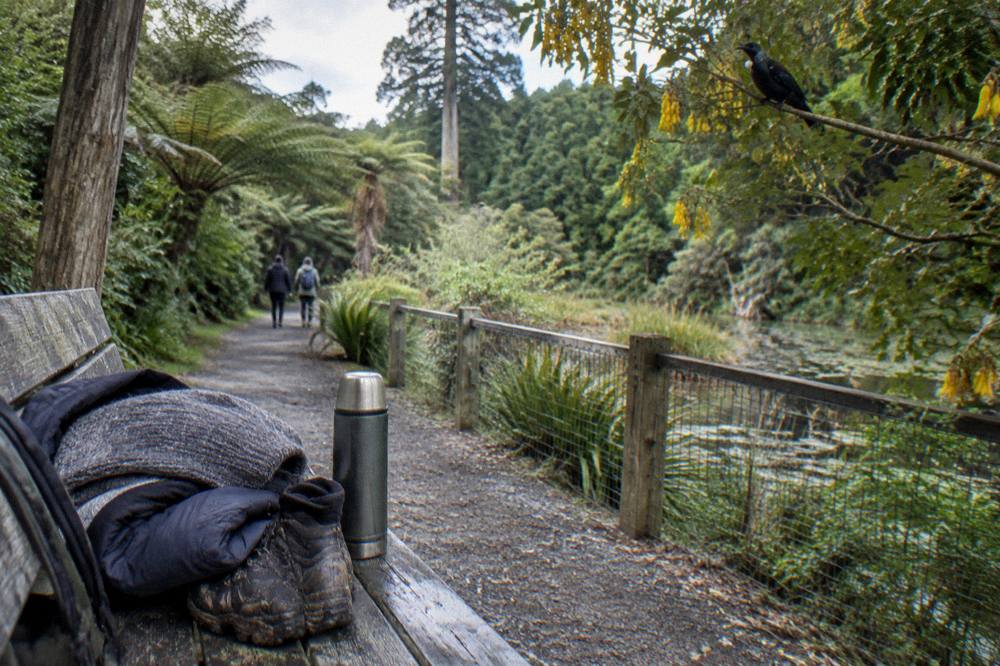
The Kapiti tours start even further afield, on the Kapiti Coast rather than in Wellington. The classic day tour, from $186.34 per person and the most reviewed tour on this site at 4.8 across 576 reviews, includes the ferry to the island, a guided nature and history walk of about an hour, and lunch at The Lodge, over roughly 5 hours from the Paraparaumu Beach departure point. The overnight version, from $400.76 per person for 2 days, is the most expensive product here. Kapiti Island Nature Reserve is reached only with approved tour operators, per the Department of Conservation, which is why there is no free self-guided version of this day the way there is at Red Rocks.
The pattern across all seven non-seal tours is worth stating plainly because it saves wasted research: if watching seals is the goal, five tours on this site name them, and the other seven do not, whatever a search snippet might suggest. Choosing between the two kinds of wildlife day is covered in the Zealandia tour or seal safari comparison.
What Does Seal Watching In Wellington Cost?
A seal-watching day costs from $110.00 per person, the half day Seal Coast Safari, to $359.48 per person, the private Scenic Full Day with lunch. Between those sit the exclusive access safari at $111.80, the private sightseeing tour with a Red Rocks stop at $206.40, and the 10-hour Martinborough trip at $219.00. The Red Rocks walk costs nothing.
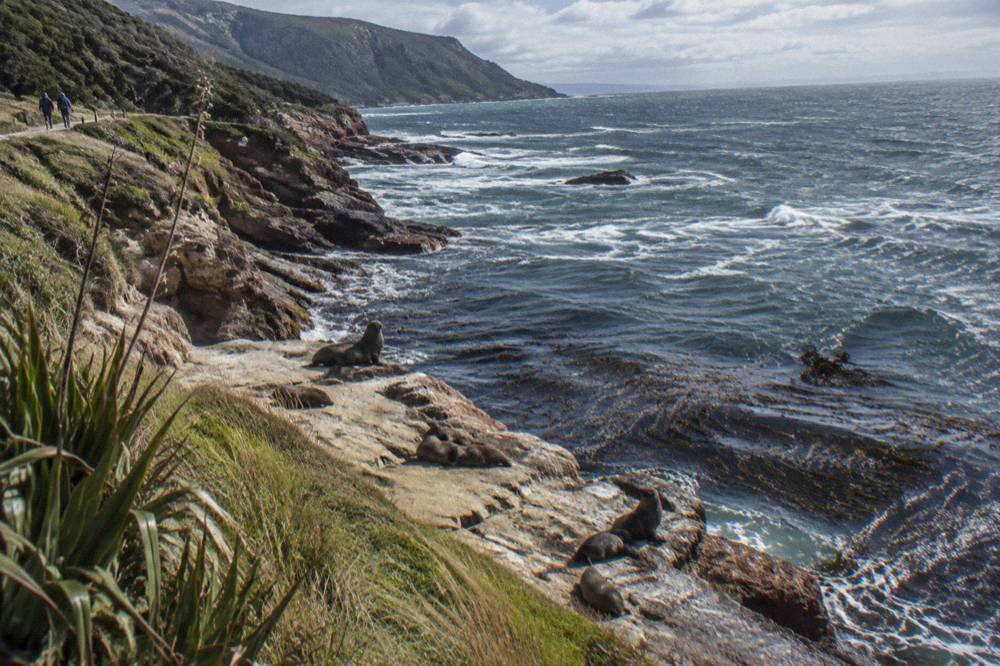
Price alone is a poor way to choose between these, because the days are so different in length and in what is included. The safari, from $110, costs about half the Martinborough day, from $219, and takes about a third of the time. The Martinborough trip includes a vineyard lunch and dinner; the safaris make no food claim at all beyond light refreshments on the half day version. The private tours price per person with the group basis unstated, so treat those figures as per-person fares and check the group terms on the booking page. All figures here are USD, quoted as each operator states them.
| Seal-naming tour | From price | Time | Food | Pickup included |
|---|---|---|---|---|
| Wanderlust Half Day Seal Safari | $110.00 pp | 3 h 30 m | Light refreshments | Yes, central Wellington or cruise terminal |
| Exclusive Access Seal Coast Safari | $111.80 pp | 3 h 30 m | Not stated | Yes, hotel or cruise ship |
| Private Full Day, Meal Included | $206.40 pp | 7 hours | Lunch | Yes, hotel or port |
| Martinborough Winery Day Trip | $219.00 pp | 10 hours | Lunch and dinner | Yes, hotel |
| Scenic Full Day, Meal Included | $359.48 pp | Not stated | Lunch | Yes, hotel or port |
Every one of these five tours states a full refund if cancelled at least 24 hours before the start, each in its own booking terms, which makes early booking low risk across the board. That is a per-tour term, not a site-wide promise, so read the wording on whichever trip you choose. The full price picture for the seal products, including how the two safari twins stack up, is in the seal safari prices guide.
Is A Tour Or Going Alone The Better Choice?
Go on a tour if you want the private farmland at Cape Terawhiti, a pickup from your hotel or ship, and someone else judging the weather and the distances; go alone if your budget is fixed, you can walk 7.4 km return on an uneven track, and you are happy to keep the DOC distances yourself. The tour costs from $110.00 per person, the walk costs nothing and promises nothing either.
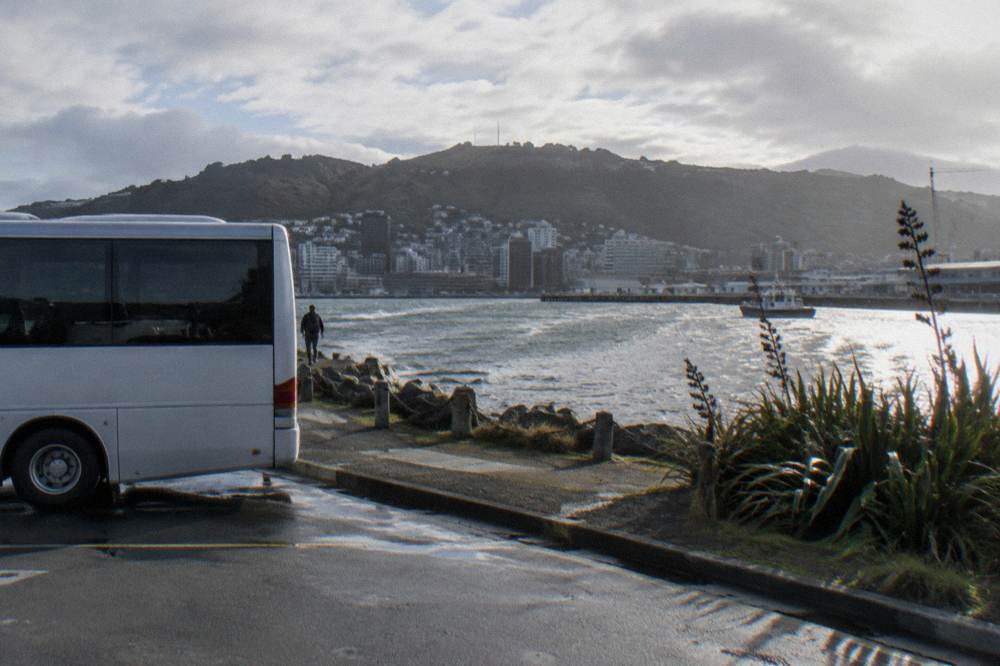
That is the whole decision, and it is more even than the price gap suggests. The safari's exclusive access to Terawhiti Station is genuinely unavailable to the public. The walk, meanwhile, is one of the few free capital-city wildlife experiences in the country, and the council grades it easy. The things that tilt it one way or the other are practical: cruise passengers on a short port call get more from a pickup tour; travellers with a hire car and a spare half day may find the walk, combined with the south coast scenic drive, is the better use of the money.
| Factor | tour | Red Rocks walk |
|---|---|---|
| Cost | From $110.00 per person | Free |
| Time | 3 h 30 m (safaris) to 10 hours | 2 to 3 hours return |
| Getting there | Hotel or cruise pickup | Own transport to Owhiro Bay car park |
| Terrain | 4WD crossing, private farmland | Uneven unsealed track, easy grade |
| Seals | Named on itinerary, no promise | Council says winter, no promise |
| Weather terms | Stated per tour | Your own judgement |
Families should note that minimum ages are only stated on two tours on this site, the Zealandia twilight tour at 5 and the Zealandia night tour at 12, and on none of the seal tours, so the booking page is where age and health terms appear for each. Whether children suit the safari specifically is covered in taking children on a Wellington seal safari. To see what that after-dark walk actually involves, from price and start point to the age limit, the guide to the Zealandia night tour in Wellington covers the details in plain language.
Whichever way you lean, book the paid option with the 24-hour cancellation terms in mind: Wellington's south coast is windy and the weather changes quickly, a fact both the council and the Department of Conservation repeat, and the flexibility to shift a day is worth having on this coastline. Wellington Seal Safari keeps the full twelve-tour comparison, including the Martinborough and Cape Palliser trips, updated as prices and terms change, so it is worth a return visit once your dates are fixed.
Common Questions About Seal Watching Tours In Wellington
What Does Seal Watching In Wellington Actually Involve?
Either a trip along the south coast to Cape Terawhiti or to the Cape Palliser colony, or the free Red Rocks walk from Owhiro Bay. The animal is the kekeno, the New Zealand fur seal, and no tour promises a sighting.
Can You Watch Seals At Red Rocks Without A Tour?
Yes. The walk is 7.4 km, 2 to 3 hours return, graded easy and free, and the council says you can meet the kekeno in winter. The gate is closed to vehicles on Sundays but open to walkers.
How Close Can You Get To Seals When Watching?
Stay at least 20 m from seals onshore where you can, keep vehicles 50 m away, keep vessels 20 m and swimmers 5 m in the water, and never touch a seal. DOC's hotline for injured or harassed seals is 0800 DOC HOT.
Do The Zealandia And Kapiti Tours Include Seals?
No. The three Zealandia tours, the three Kapiti Coast tours and the City to Coast sightseeing tour make no seal claim. They are forest sanctuary and island wildlife experiences instead.
What Does Seal Watching In Wellington Cost?
options run from $110.00 per person for the half day Seal Coast Safari to $359.48 per person for the private Scenic Full Day. The Red Rocks walk is free.
Is A Tour Or Going Alone The Better Choice?
A tour buys private farmland access and hotel pickup; going alone costs nothing and depends on your own legs and judgement. Both come without any sighting promise.