Cape Palliser Seal Colony Tours From Wellington
Two commercial tours from Wellington visit the Cape Palliser seal colony, one a 10-hour day trip with lunch and dinner, the other a private full-day scenic tour of the South Wairarapa. Here is what each one costs, what each itinerary actually names, and what to check before you drive.
Short answer
Two tours from Wellington visit the Cape Palliser seal colony: the Martinborough winery day trip, 10 hours, from $219 per person with lunch, 4.8 across 24 reviews, and the private Scenic Full Day South Wairarapa tour, from $359.48 per person, 5.0 across 28 reviews. Both pick up from Wellington hotels, and both name the seal colony and the lighthouse as stops.
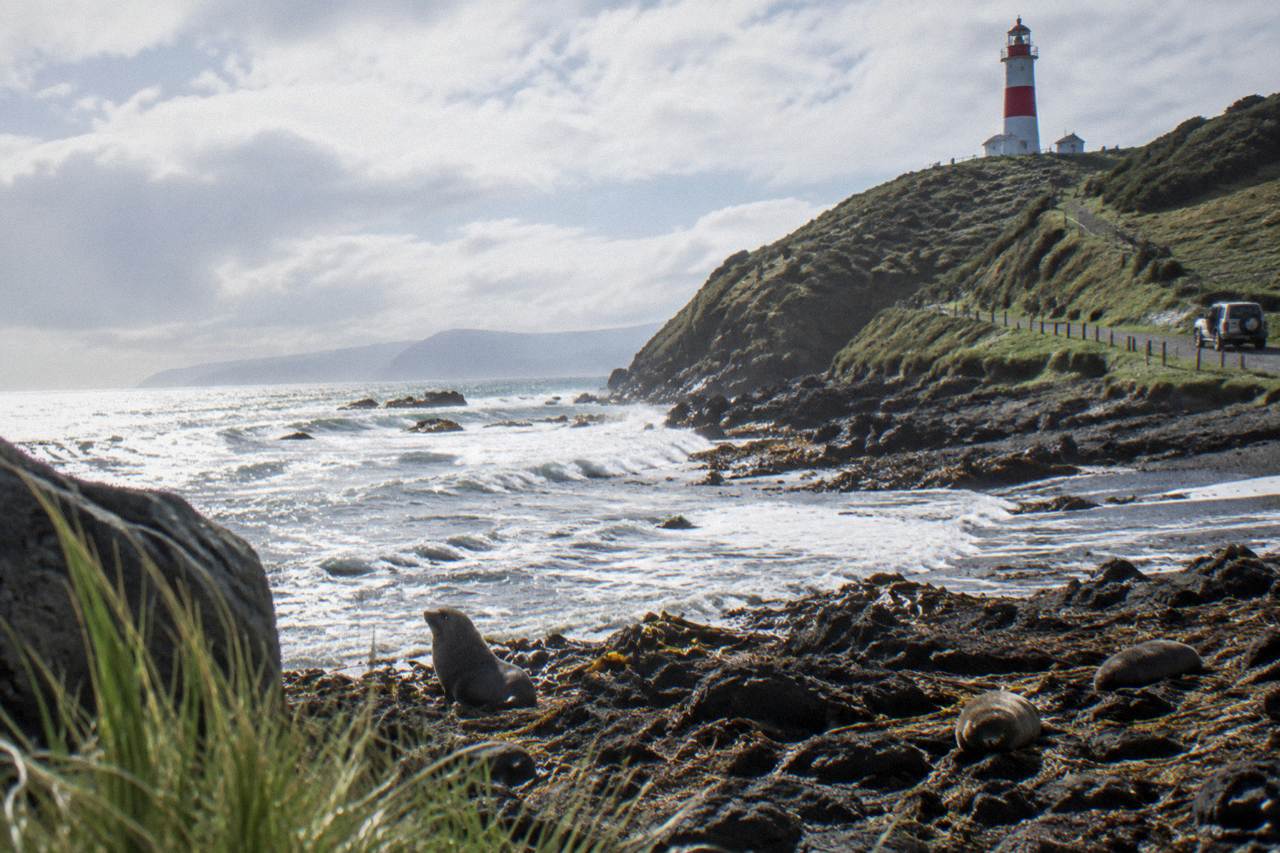
Cape Palliser is the southernmost point of the North Island, a wild headland in the Wairarapa where a fur seal colony rests on the rocks below a cast iron lighthouse first lit in 1897. DOC's nationwide modelled estimate for the New Zealand fur seal, the kekeno, sits at 208,536 to 251,644 animals, and a preliminary direct count at Cape Palliser found at least 1,000 pups in the 2025/26 breeding season, a figure DOC itself asks to be treated with caution. The colony is real, the setting is dramatic, and exactly two commercial tours from Wellington put it on a booked itinerary. Before choosing between those two operators, the Cape Palliser lighthouse and seals day tour guide lays out prices, durations, driving conditions and the seal watching rules that apply on the rocks.
This guide compares those two tours, both listed in the Wellington Seal Safari catalogue, on price, duration, pickup and what each itinerary names. It also covers the drive, the road status question, the seal watching rules, and the lighthouse itself, so a reader choosing a day tour can decide with real numbers rather than marketing copy. Neither tour promises a sighting; the seals are wild animals and no operator on this coast guarantees them.
What Is The Cape Palliser Seal Colony?
The Cape Palliser seal colony is a breeding and resting population of New Zealand fur seals, kekeno, on the rocky shore below the Cape Palliser Lighthouse at the southern tip of the North Island. DOC's preliminary count found at least 1,000 pups there in the 2025/26 breeding season. The colony sits beside the lighthouse, 258 steps up the cliff, at the end of the Cape Palliser Road through the South Wairarapa.
Kekeno are the most common seals in New Zealand and their population is growing, which is why colonies like this one have become a draw for visitors driving out from Wellington. The Cape Palliser colony is unusual in how close it sits to public ground: the seals haul out on rocks near the settlement at Ngawi, and both booked tours that visit the colony stop there by name. What the colony is not is a zoo. Seals come and go with the weather, the season and the food supply, and no tour from Wellington promises an animal on the day.
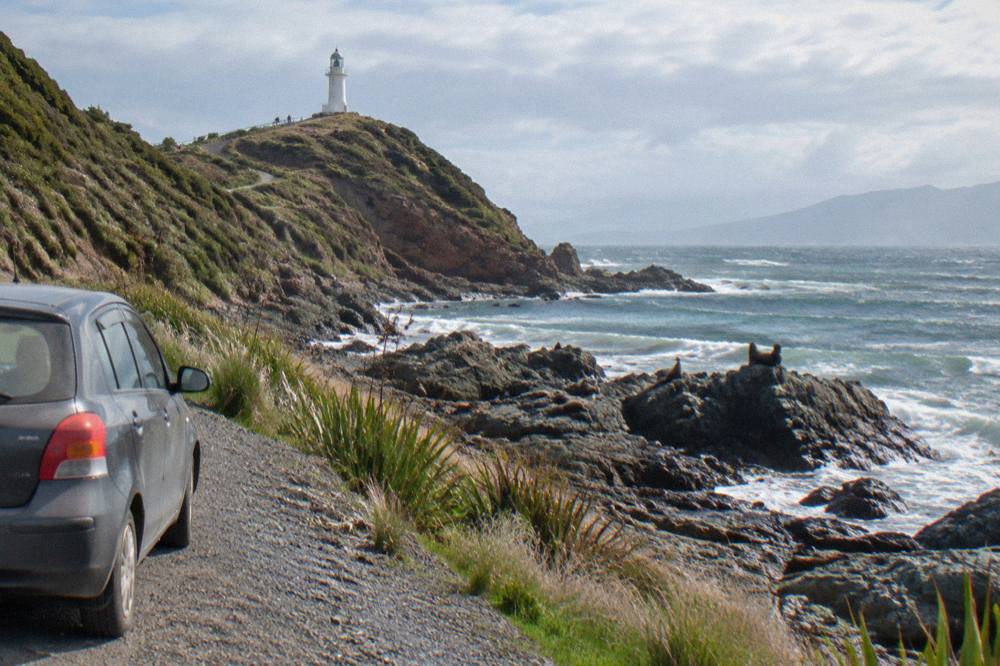
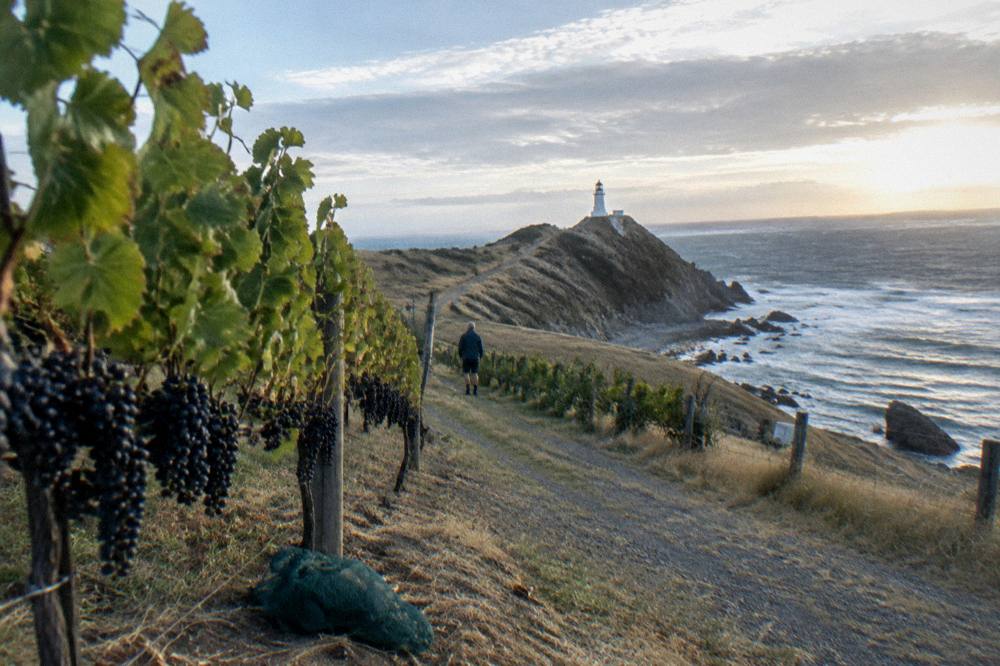
The lighthouse above the colony anchors the visit for most travellers. First lit in 1897, the cast iron tower stands 18 m tall and 78 m above sea level, with 258 steps built up the cliff in 1912. There is no public access inside the tower, so the reward at the top is the view: the colony below, the Pacific to the east, and the South Island on a clear day across the strait.
Which Cape Palliser Seal Colony Tours Leave From Wellington?
Two tours from Wellington put the Cape Palliser seal colony on the itinerary. The Martinborough Winery and South Wairarapa Wild Coast Tour runs 10 hours from $219 per person, rated 4.8 across 24 reviews. The Scenic South Wairarapa Full Day Tour is private, from $359.48 per person, rated 5.0 across 28 reviews. Both pick up from Wellington hotels and both stop at the seal colony and the lighthouse. If seeing seals is the deciding factor, the guide to Wellington day trips that include seals lays out exactly what each option offers.
That is the entire booked category. Everything else in the seal tour space from Wellington stays closer to the city, most notably the Seal Coast Safari, which crosses private farmland to Cape Terawhiti on the west coast rather than driving the Wairarapa. A reader weighing all the seal options should also see the full Wellington seal tour comparison, which covers the coast safaris alongside these two day trips.
The comparison table below holds the two Cape Palliser tours side by side, using only the figures each operator publishes.
| Martinborough Winery, 10-Hour Day Trip | Scenic Full Day, Meal Included | |
|---|---|---|
| Operator | Zozo Travel Limited | Kaewa Tours Ltd |
| Price | From $219.00 per person | From $359.48 per person |
| Rating | 4.8 across 24 reviews | 5.0 across 28 reviews |
| Duration | 10 hours | Not stated |
| Pickup | Wellington hotel pickup | Wellington hotel or port pickup |
| Private | No | Yes |
| Meal | Yes | Lunch |
| Named stops | Kaitoke Regional Park, Ngawi seal colony, Cape Palliser Lighthouse | Parliament, Kaitoke, Remutaka Hill, Martinborough wineries, Cape Palliser Lighthouse and seal colony |
| Cancellation | Full refund if cancelled at least 24 hours before the start | Full refund if cancelled at least 24 hours before the start |
If you would rather make the trip on your own schedule, the guide to driving from Wellington to Cape Palliser Lighthouse covers road conditions, the lighthouse, and the seal colony.
A note on what the two itineraries share: both cross the Remutaka Hill into the Wairarapa and both end the day at the colony and the lighthouse. Both include Martinborough wineries and lunch; the private tour also lists Parliament in Wellington. Neither duration figure should be squeezed into a per-leg breakdown; the day is what it is, a long loop with the coast as its climax.
What Does The Martinborough Winery Day Trip Actually Include?
The Martinborough Winery, 10-Hour Day Trip costs from $219 per person, runs 10 hours, and includes a meal, with pickup from Wellington hotels. It travels by van and names three stops: Kaitoke Regional Park, the Ngawi seal colony and the Cape Palliser Lighthouse. It is rated 4.8 across 24 reviews and is not private.
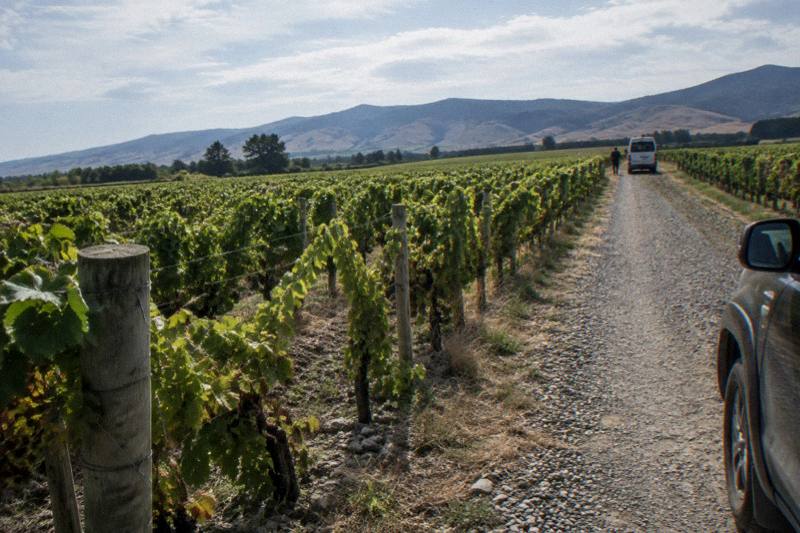
This is the entry point to Cape Palliser for most travellers, and it earns that place on price and pacing. The day begins with hotel pickup in Wellington and heads over the Remutaka Hill, with a stop at Kaitoke Regional Park, before dropping into Martinborough wine country for lunch. The afternoon pushes south through the Wairarapa to Ngawi, and then to the lighthouse steps at the point itself.
The vehicle is a van, and the booking page notes that guests must climb in unassisted via steps and grab rails, which matters for travellers with limited mobility. The tour includes a meal, and the operator's page lists a tapas or vineyard lunch plus dinner at Lake Ferry Hotel or the Royal Hotel on the itinerary. Cancellation terms are the operator's own: a full refund if cancelled at least 24 hours before the start. Readers planning a wider Wairarapa trip can pair this with the Martinborough tour with seals guide, which looks at the wine country half of the day in detail.
The 24-review count is honest and small. The tour is well regarded within that pool, but a reader who weights review volume heavily might prefer the 82-review private full-day sightseeing tour, which reaches Red Rocks on Wellington's south coast instead, or the coast safari with 371 reviews. Review count is not quality; it is sample size, and 24 people have rated this trip.
How Much Do Cape Palliser Tours Cost Compared With Other Seal Tours?
The two Cape Palliser tours sit at the top of the one-day price scale from Wellington: from $219 per person for the 10-hour group trip and from $359.48 per person for the private tour. The cheaper seal experiences are the two coast safaris at $110 and $111.80 per person, both around three and a half hours. Zealandia wildlife tours run from $40.13.
Price alone does not answer value, because the Cape Palliser tours are the only booked itineraries that leave the Wellington region for the day. A coast safari is a half-day on the city's west coast; a Cape Palliser tour is a 10-hour loop through wine country, a regional park, a seal colony and a lighthouse. The table below places the cape tours beside the Zealandia and south coast sightseeing tours; the two Seal Coast Safari booking pages, at $110 and $111.80, and the Kapiti Coast tours are not in it.
| Tour | Category | From (per person) | Duration |
|---|---|---|---|
| Daytime Eco Tour, Small Group | Zealandia | $40.13 | 2 hours |
| Twilight Guided Eco Tour | Zealandia | $63.07 | 2 hours 30 minutes |
| Night Tour, Small Group | Zealandia | $68.80 | 2 hours 30 minutes |
| City to Coast, Lunch Included | South coast sightseeing | $123.27 | About 5 hours |
| Private Full Day, Meal Included | South coast sightseeing | $206.40 | 7 hours |
| Martinborough Winery, 10-Hour Day Trip | Cape Palliser | $219.00 | 10 hours |
| Scenic Full Day, Meal Included | Cape Palliser | $359.48 | Not stated |
Two figures deserve a careful read. The private Cape Palliser tour's $359.48 is per person, and the operator does not publish the group basis, so do not assume it covers a whole vehicle. The Martinborough trip's $219 is likewise per person. Both tours read a full refund if cancelled at least 24 hours before the start, each in its own wording, which takes some of the risk out of committing to a long-weather-dependant day.
Can You Drive To Cape Palliser Yourself, And Should You?
Yes, you can drive to Cape Palliser from Wellington, but check the South Wairarapa District Council road alerts before driving. The booked tours handle the road, the parking and the timing for you.
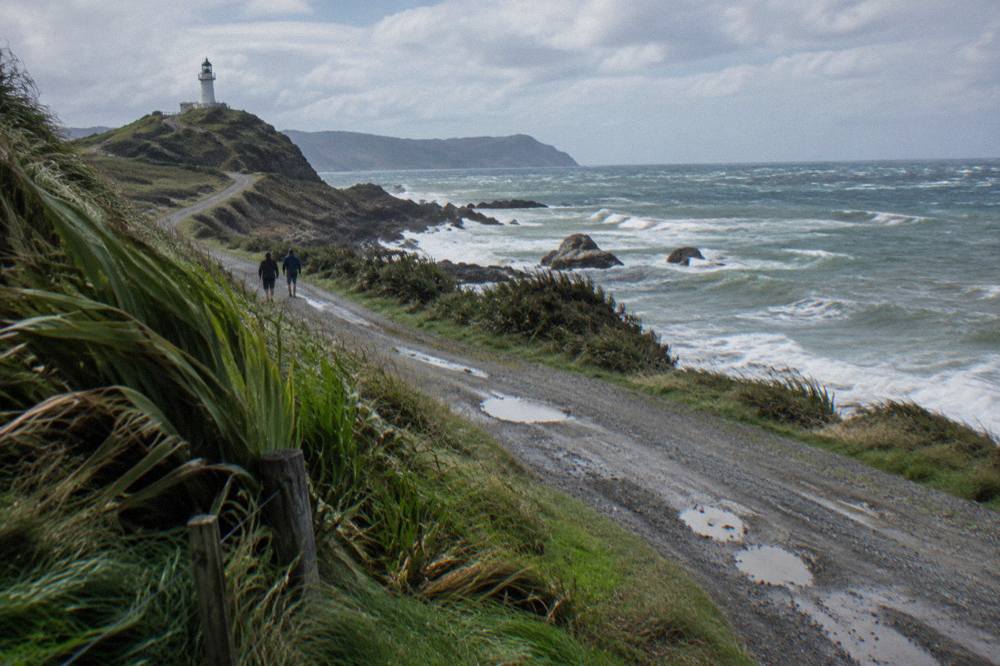
The road question is the single most practical thing to settle before a Cape Palliser day. This guide points to the South Wairarapa District Council's road alerts rather than asserting a condition that could change the week after you read this.
Taking a tour outsources all of that. Both Cape Palliser tours pick up in Wellington, drive the hill and the coast road on their own schedule, and stop at the named points without the reader researching parking at the lighthouse or the settlement. The trade is time and money: 10 hours door to door on the group tour. The site has a fuller treatment of the self-drive question in the seal safari or hire car comparison, which runs the numbers for the closer coast.
For readers set on driving, one rule stands above the rest on this coast: never drive a vehicle closer than 50 m to a marine mammal where you can avoid it, and never position yourself between a seal and the sea. The colony area near the settlement is a working beach with fishing tractors, so keep to the public ground and give the animals the space the law expects.
When Is The Best Time Of Year To Visit The Cape Palliser Colony?
No tour to Cape Palliser publishes a seal season, so no booking can promise a peak month. DOC counted at least 1,000 pups at Cape Palliser in the 2025/26 breeding season, kekeno numbers nationwide are growing, and the south Wairarapa coast is windy with quickly changing weather. Book a date you can move, not a date you believe is peak.
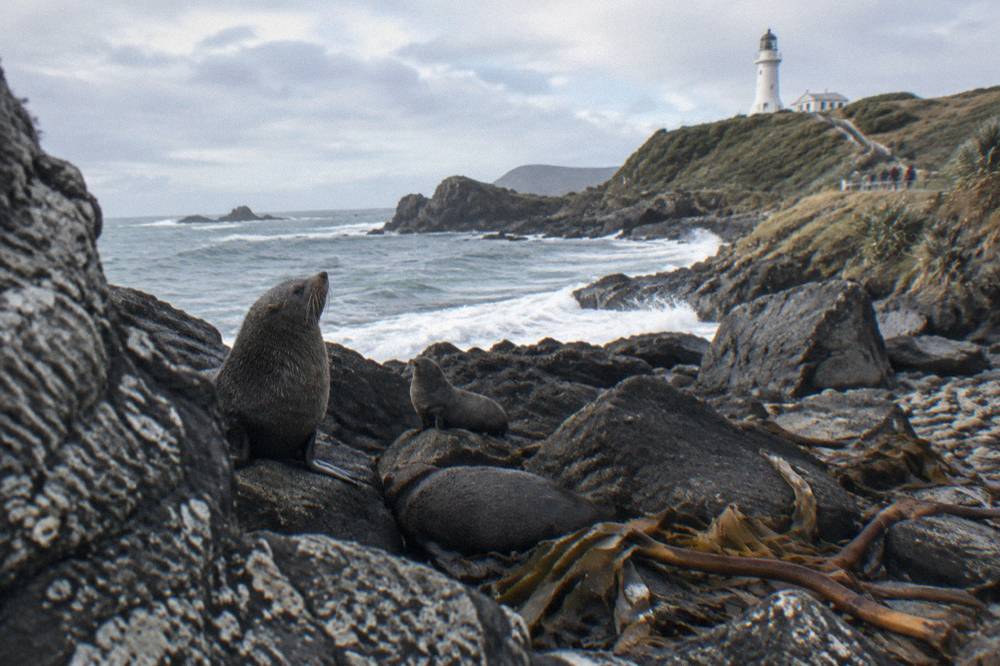
Breeding is the biological anchor for any seal colony. Kekeno breed in colonies where a single bull holds a group of cows, a harem, and the Cape Palliser count of at least 1,000 pups tells you this is an established breeding site rather than a casual haul-out. Pups can be abandoned if disturbed, which is one reason DOC's distance rules matter most around young animals and why drone flights near marine mammals need DOC authorisation.
The practical planning advice is about weather, not calendar. Both the group tour and the private tour run long days in open country, and the private tour's own terms say the experience requires good weather, with a different date or a full refund offered if it is cancelled for poor conditions. The Martinborough trip mentions no weather terms, so check the booking page. Daylight saving runs from the last Sunday of September to the first Sunday of April, which affects how much evening light a 10-hour day returns to Wellington with; in the shoulder months a long tour can come back in the dark.
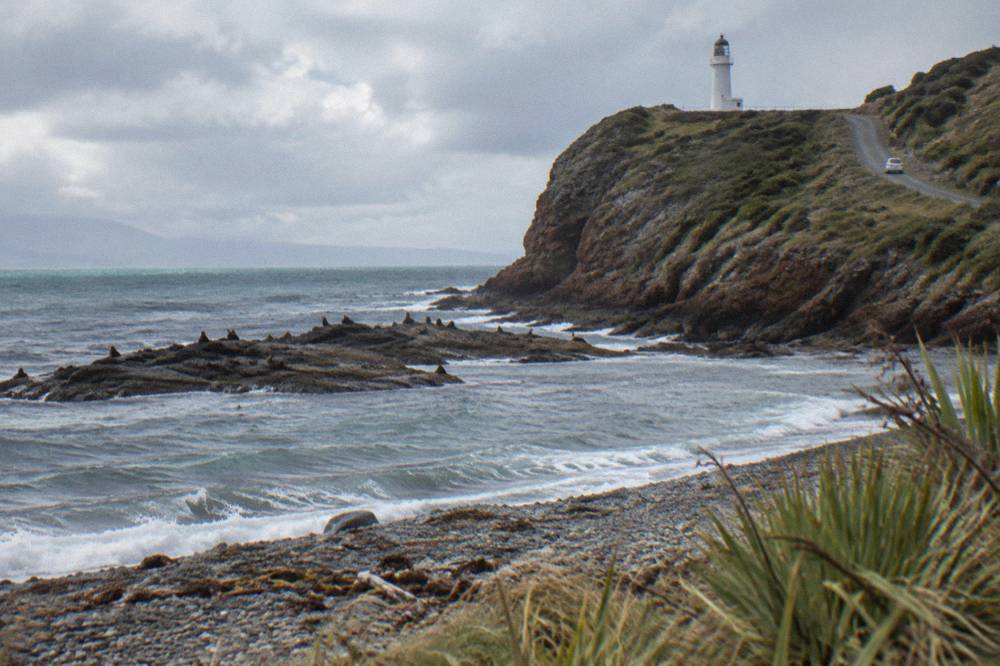
Readers curious about the seasonal question for the closer colony can read when seals appear at Red Rocks, where the council's own winter description applies to that walk specifically. For Cape Palliser, no season is published for the tours, and honesty is the better guide: book the day that suits your Wellington stay and treat any seal encounter as the wild event it is.
How Close Can You Get To The Seals At Cape Palliser?
DOC's rules are specific: stay at least 20 m from seals onshore where you can, do not come between a fur seal and the sea, keep dogs on a leash and well away, and keep vehicles at least 50 m from a marine mammal where you can. Swimmers must stay 5 m away. Harassing a seal is an offence under the Marine Mammals Protection Act 1978 carrying up to two years in prison or a $250,000 fine.
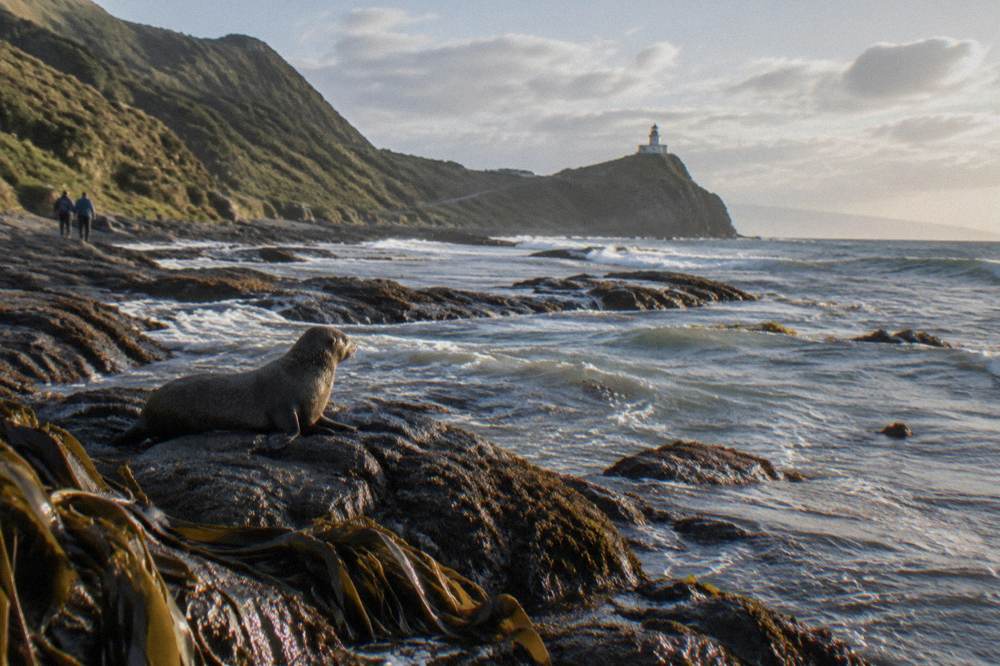
These distances come from the Department of Conservation, which administers protection for seals, whales and dolphins, and they apply on every beach and road edge in New Zealand, with the full rules on the DOC marine mammal pages. The kekeno at Cape Palliser are wild animals that can be aggressive and carry disease, so never touch one, do not feed them, keep noise down and keep children back. If you see harassment, injury or entanglement, the DOC hotline is 0800 DOC HOT, 0800 362 468.
| Situation | Minimum distance | Source |
|---|---|---|
| Onshore, near a seal | 20 m where you can | DOC |
| Vehicle near a marine mammal | 50 m where you can | DOC |
| Vessel near the water's edge where seals may be present | 20 m | DOC |
| Swimmer | 5 m | DOC |
| Drone near marine mammals | Needs DOC authorisation | DOC |
Two more rules of conduct close the set. Do not take selfies with seals, a temptation at a colony this accessible, and do not camp between animals and the water, which cuts off their escape route to the sea. A guided tour handles this well by design: the guides run these stops regularly and know where the public viewing ground ends. Independent walkers at the nearer Red Rocks track are bound by the same 20 m figure, with dogs on leads.
Is The Cape Palliser Lighthouse Worth The Climb?
The Cape Palliser Lighthouse is a cast iron tower first lit in 1897, standing 18 m tall and 78 m above sea level, reached by 258 steps built up the cliff in 1912. There is no public access inside the tower. Both Cape Palliser tours from Wellington stop at the lighthouse, and the climb is the reason most visitors remember the day.
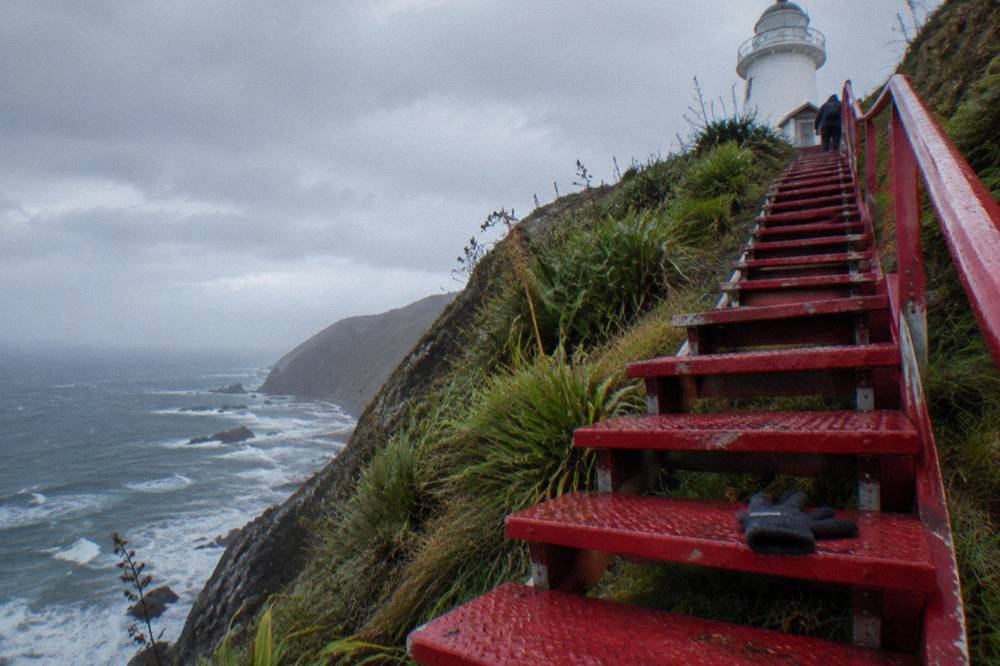
The numbers matter more than they look on paper. Two hundred and fifty-eight steps is a genuine climb, exposed to the wind that this coast is known for, and the tour day does not shrink it. Travellers who cannot manage steps should weigh that before booking. At the top, the reward is the panorama across the strait and down onto the colony coastline.
Maritime New Zealand, which manages the light, allows no entry inside, so plan the stop as an outside visit only. Photographers will want the light and the steps in the same frame; the site's seal safari photography guide covers the camera settings that survive a windy headland.
Cape Palliser Or The Wellington Coast Safari: Which Suits You?
Choose Cape Palliser if you want a full-day loop through the Wairarapa with a winery lunch and a lighthouse climb, from $219 per person for 10 hours. Choose the Seal Coast Safari if you want a shorter, cheaper seal experience closer to the city, from $111.80 per person for 3 hours 30 minutes, 4.9 across 371 reviews, crossing private farmland to Cape Terawhiti by 4WD.
The contrast is sharper than the category names suggest. The Seal Coast Safari, featured on this site's coast safari guide, takes a 4WD Mercedes across Terawhiti Station private farmland to Cape Terawhiti, with a stop at Otari-Wilton's Bush native botanic garden, and picks up from Wellington hotels or the cruise ship terminal. Its maximum group is 10. The Cape Palliser tours go the other way entirely: over the hill, through wine country, down the coast road to the colony and the lighthouse, with meals included on both.
Cruise ship visitors should read the pickup lines carefully. The coast safari names the cruise ship or terminal, the private Cape Palliser tour names hotel or port pickup, and the Martinborough trip names hotel pickup, but a 10-hour day trip only works if your ship is in port long enough; a 3 hours 30 minutes safari fits almost any call. The site's cruise ship tours guide works through that timing question in detail.
Families have a similar decision. No Cape Palliser tour publishes a minimum age, so the booking page is where age terms appear. The coast safari's booking page says the trip is not recommended for travellers with back, neck, heart or pregnancy conditions and is not wheelchair accessible, the only health guidance published anywhere in this category. Zealandia's twilight tour states a minimum age of 5 and its night tour 12, for readers whose real interest is wildlife of any kind rather than the coast.
What Else Should You Know Before Booking?
Four things decide a good Cape Palliser booking day: the road status, the weather clause, the refund window and the start point. The private tour requires good weather and offers a different date or a full refund on poor-weather cancellation; both tours give a full refund if cancelled at least 24 hours before the start; the road status is unknown without checking council alerts.
Booking ahead matters more on the cape run than on the short tours, because a 10-hour commitment rewards a weather window. The blog post on whether to book a seal safari in advance covers the general question; for Cape Palliser the practical version is to book the day you want with the 24-hour refund window in mind and to watch the forecast from 48 hours out.
Solo travellers and couples should also consider the shape of the day. Ten hours in a shared van with a winery lunch is a social experience; the private tour at $359.48 per person buys pace control and a vehicle to yourselves. Neither is the wrong answer, and both end at the same steps above the same colony.
For readers with more than one day in the region, the cape run pairs naturally with a second day closer to town: a Zealandia tour at $40.13 per person, or the Red Rocks walk from Owhiro Bay, 7.4 km and 2 to 3 hours return on foot, where the council says you can meet the kekeno in winter. The site's day tours from Wellington overview lays out the combinations.
Common Questions About Cape Palliser Seal Colony Tours
Are There Seal Colony Tours From Wellington?
Yes, two. The Martinborough Winery and South Wairarapa Wild Coast Tour runs 10 hours from $219 per person with hotel pickup, and the Scenic South Wairarapa Full Day Tour is a private tour from $359.48 per person. Both stop at the Cape Palliser seal colony and the lighthouse.
How Much Does A Cape Palliser Seal Colony Tour Cost?
From $219 per person for the 10-hour group day trip, and from $359.48 per person for the private scenic full-day tour. Both prices are per person as published by each operator. For comparison, the half-day coast safaris in Wellington run from $110 per person.
Can You Drive To The Cape Palliser Lighthouse Yourself?
Check the South Wairarapa District Council road alerts before driving. The booked tours from Wellington cover the driving, the stops and the timing.
Is The Cape Palliser Lighthouse Open To Go Inside?
No. There is no public access inside the tower. The lighthouse was first lit in 1897, stands 78 m above sea level, and is reached by 258 steps built in 1912, so the visit is the climb and the view.
What Is The Best Time Of Year To See Seals At Cape Palliser?
No tour to Cape Palliser publishes a seal season. DOC counted at least 1,000 pups there in the 2025/26 breeding season and the kekeno population is growing nationwide, but sightings depend on the day, the weather and the animals. Book a movable date rather than a supposed peak month.
How Close Can You Get To The Seals At Cape Palliser?
Stay at least 20 m from seals onshore where you can, never come between a seal and the sea, and keep vehicles at least 50 m away where you can. Disturbing a marine mammal is an offence under the Marine Mammals Protection Act 1978 with penalties up to two years in prison or a $250,000 fine.