Can You Drive To Cape Palliser Lighthouse?
A plain answer on driving to Cape Palliser Lighthouse from Wellington, road status advice, lighthouse and seal colony facts, and day tours that make the trip for you.
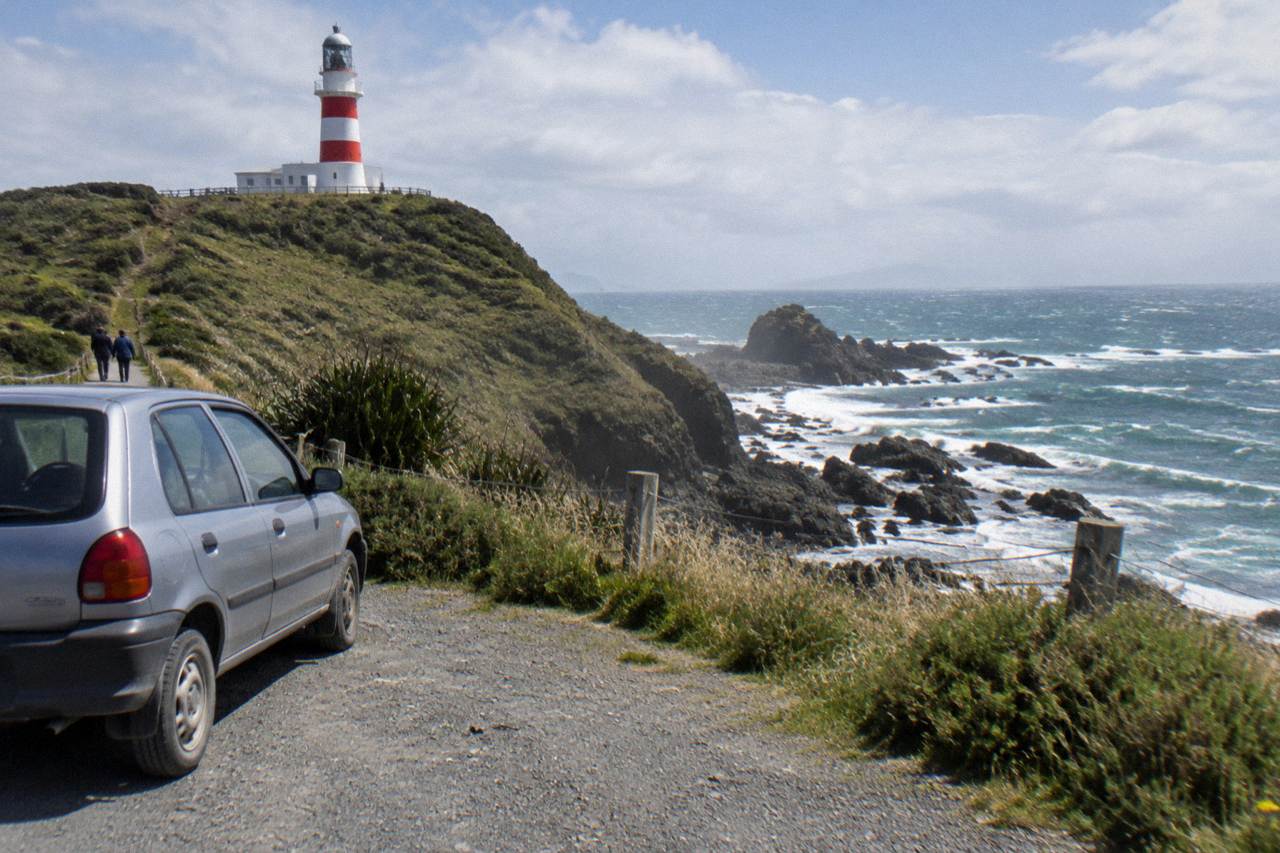
Yes, a road runs the length of the Cape Palliser coast to the lighthouse, and people drive it in their own cars every year, but the final section is unsealed, narrow and slow, and its condition after weather events is not something to assume. The honest answer is to check the South Wairarapa District Council road alerts before you set out, because the council has issued closure notices for this road in the past. If the road is passable on your day, the reward at the end is one of the most dramatic pieces of coastline in the lower North Island: a cast iron lighthouse on the cliff, a fur seal colony along the shore, and the open Pacific on one side nearly the whole way.
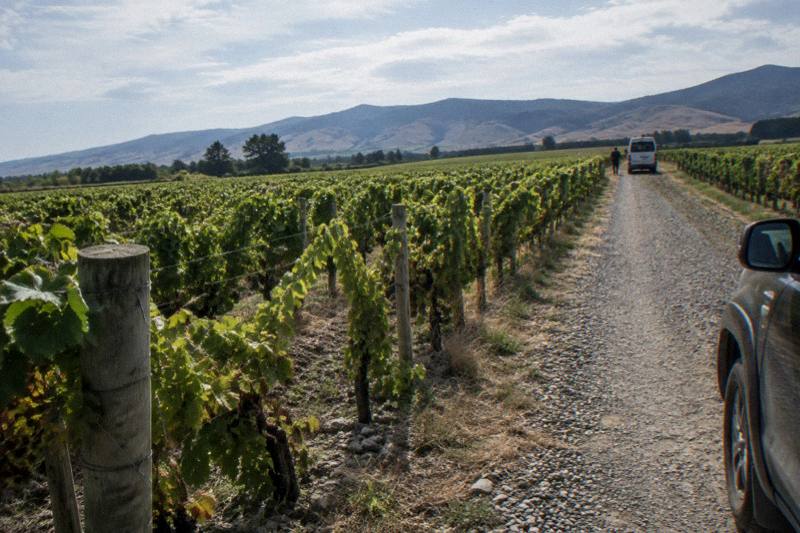
The lighthouse itself sits at the southern tip of the Wairarapa coast. It is a destination people plan around, not a quick roadside stop. The drive has a rhythm to it: Wellington city, the Remutaka Hill crossing, the wine country around Martinborough, then the coast itself where the road narrows, the seal appears and the lighthouse grows larger with every bay.
That combination is exactly why the Cape Palliser day trips on this site exist. The Martinborough winery and wild coast day trip pairs the Wairarapa's food and wine with the coast, and the Cape Palliser tours compared guide walks through both options in detail. Driving it yourself is genuinely doable. Doing it well takes a little planning, which is what the rest of this article is for.
Is Cape Palliser Road Open Right Now?
The honest answer is that road status for Cape Palliser changes and no standing answer applies, and the council that manages it has issued closure notices in the past, so the only reliable move is to check the South Wairarapa District Council road alerts on the day you travel or the day before. Do not rely on an old blog post, a forum comment or a map app for this one. Storm damage, slips and repairs have all affected this coast road before, and a wrong assumption costs you a long detour at the point where detours are longest.
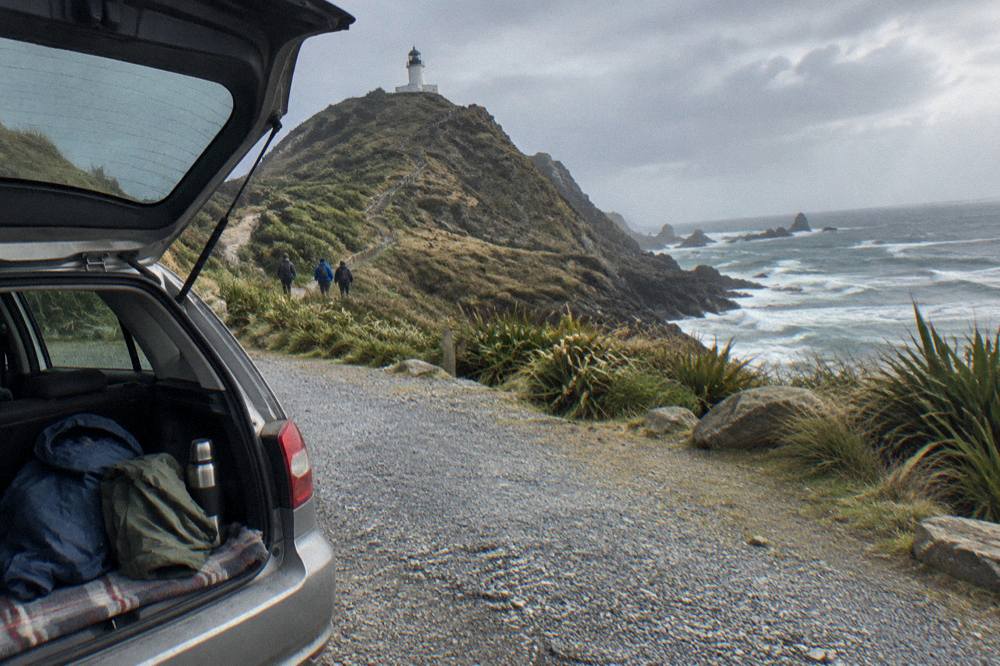
The reason this matters more than on most scenic drives is geography. Cape Palliser Road hugs the shoreline for its final stretch, between the sea and the steep hills above it. Check South Wairarapa District Council road alerts before you set off.
A practical pattern works well. Set your plans, then check the council alerts the evening before and again in the morning. If the road is affected, the Wairarapa still has plenty to fill a day: Martinborough's wineries, the village of Greytown, and the Lake Ferry coast. The reverse is also true. Some travellers drive out expecting a quick look and find the coast deserves most of the day, and they run out of daylight for the wineries. Knowing the road status early lets you shape the day around what is actually open.
How Do You Get To Cape Palliser From Wellington?
From Wellington, you drive over the Remutaka Hill into the Wairarapa, passing Featherston and Martinborough, then follow the coast southeast through the fishing village of Ngawi to the lighthouse at the very end of the road. The trip unfolds in three parts: the hill crossing, the wine country around Martinborough, and a slow coastal run where the road turns to gravel, narrows to a single lane in places, and demands your full attention.
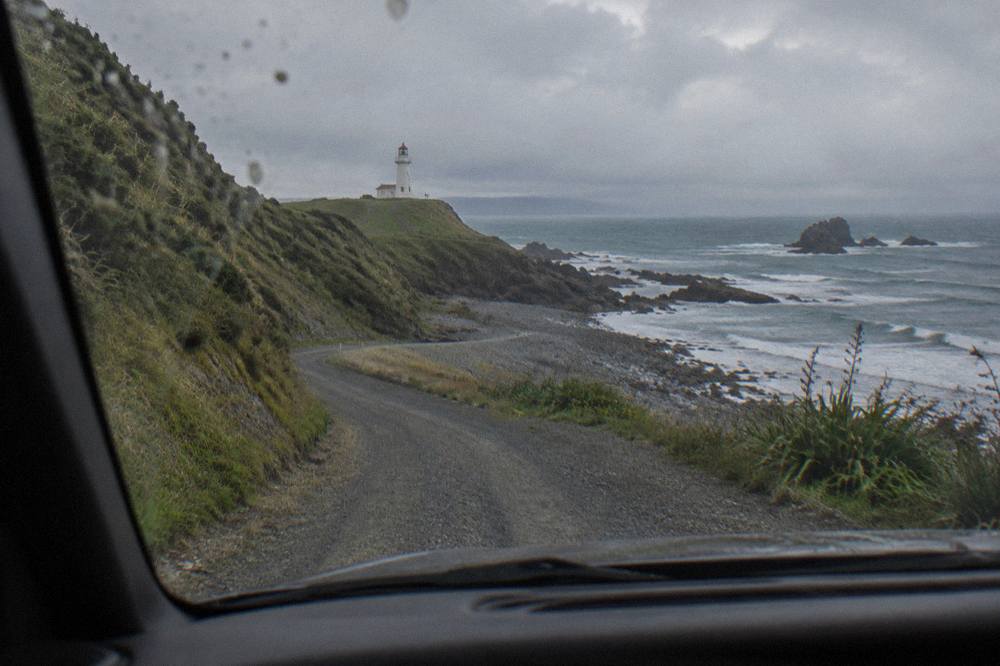
Allow a full day for the round trip, and do not build the schedule around a fixed driving time. The coastal section in particular is slow going: narrow, unsealed in stretches, with oncoming traffic, walkers near the seal colony and stock on the road in places. Treat any time estimate you see online with suspicion and instead plan around what you want to do when you arrive. The lighthouse climb alone is 258 steps.
Fuel and food planning matter too. Martinborough is the last town of any size before the coast, and the settlements beyond it, Ngawi among them, are small fishing villages rather than service centres. Fill the tank in Martinborough, buy lunch there if you are picnicking, and carry water.
The guided alternative covers all of this for you. The Martinborough Winery and South Wairarapa Wild Coast Tour runs 10 hours from Wellington hotel pickup, from $219 per person, with a tapas or vineyard lunch and dinner at Lake Ferry Hotel or the Royal Hotel on the itinerary, and stops at the Ngawi seal colony and the Cape Palliser Lighthouse. It is rated 4.8 across 24 reviews. A full refund applies if you cancel at least 24 hours before the start. For a driver who would rather taste the Wairarapa's wine than stare at a gravel road, that trade is worth a hard look, and it is a fair answer to the question which day trips from Wellington include seals.
What Is At The Cape Palliser Lighthouse?
Cape Palliser Lighthouse was first lit in 1897, a cast iron tower 18 metres tall standing 78 metres above sea level, reached by 258 steps cut into the cliff in 1912, and there is no public access inside the tower itself. The steps are the experience. You climb them for the view, and the view delivers: the open ocean to the south, the seal colony on the rocks below, and the long grey sweep of the coast running back toward Ngawi and the Wairarapa.
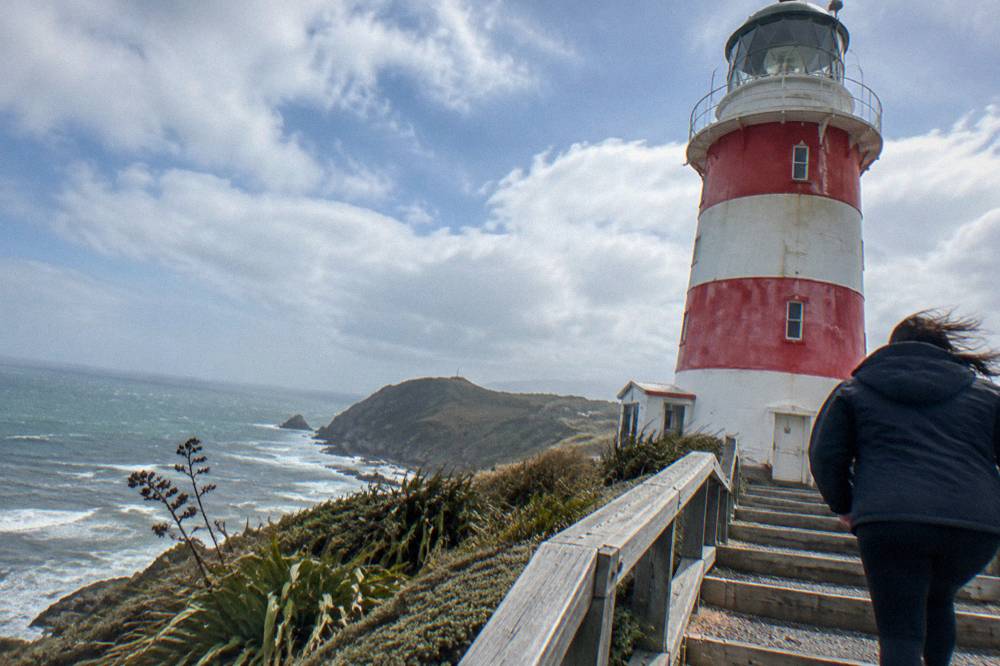
Maritime NZ, the authority responsible for the lighthouse, records those facts, and the no-interior-access point is worth knowing before you promise children a lighthouse to explore. What you get instead is the climb, the platform at the top of the steps and the coastline. In practice most visitors rate that highly. The steps are steep but manageable for anyone with reasonable mobility, with landings to rest on, and the tower itself, striped and photogenic against the sky, is the most photographed structure on this coast.
The lighthouse also anchors the geography of the cape. It marks the southernmost point of the North Island's eastern approach, and from its base the land falls away to the rocks where the fur seals haul out. That pairing, a historic light and a working colony within a few hundred metres of each other, is why the cape draws a full day's drive from Wellington rather than being a footnote to a Martinborough lunch.
Can You See Seals At Cape Palliser?
Yes, New Zealand fur seals, kekeno, live along the Cape Palliser coast and the colony here is real and well documented, with DOC's preliminary direct count recording at least 1,000 pups here in the 2025/26 breeding season, a figure DOC itself asks to be treated with caution. DOC's 2026 nationwide modelled estimate for kekeno is 208,536 to 251,644 animals, and the population is growing.
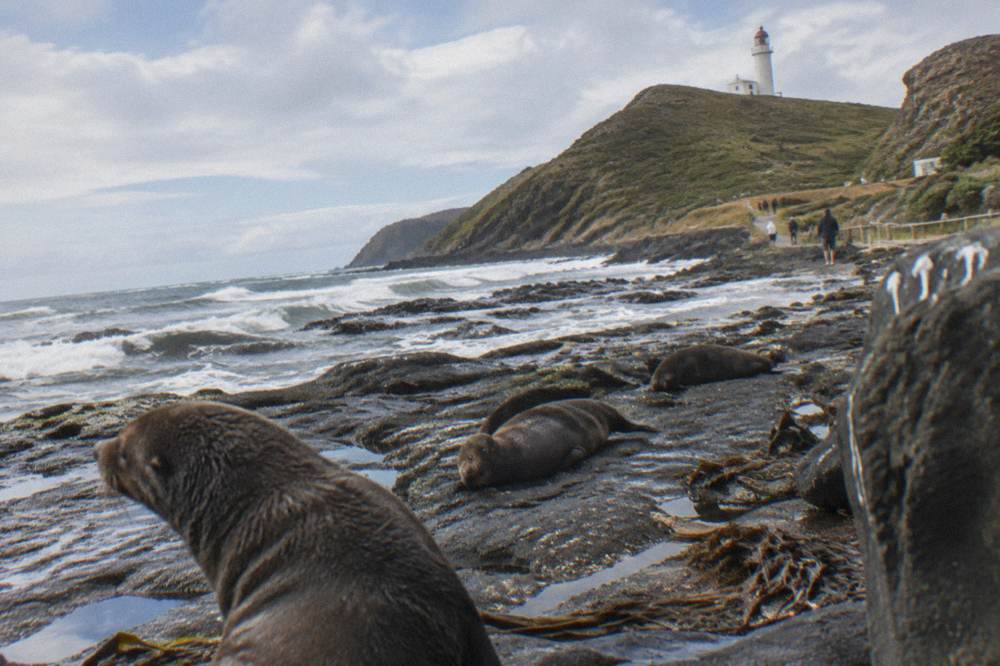
The rules around them are firm and worth repeating, because this is a protected species under the Marine Mammals Protection Act 1978. Stay at least 20 metres from seals onshore where you can, never come between a seal and the sea, keep dogs on a leash and well away, and do not drive vehicles closer than 50 metres to a marine mammal where you can avoid it. Never touch a seal: they can be aggressive and carry disease. Harassing or disturbing a marine mammal is an offence carrying a maximum penalty of two years in prison or a fine up to $250,000. If you see a seal harassed, injured or entangled, DOC's hotline is 0800 DOC HOT, 0800 362 468.
No tour on this site, and no honest operator anywhere, promises a seal sighting. The Cape Palliser trips include the Ngawi seal colony and the lighthouse on their itineraries, which puts you in the right place at a sensible pace, but the seals decide the rest. Bring a camera with zoom rather than a plan to get closer, give the colony time, and let the animals' routine set your schedule. The basics of respectful viewing are covered more fully in how close you can get to seals.
Do You Need A 4WD To Reach The Lighthouse?
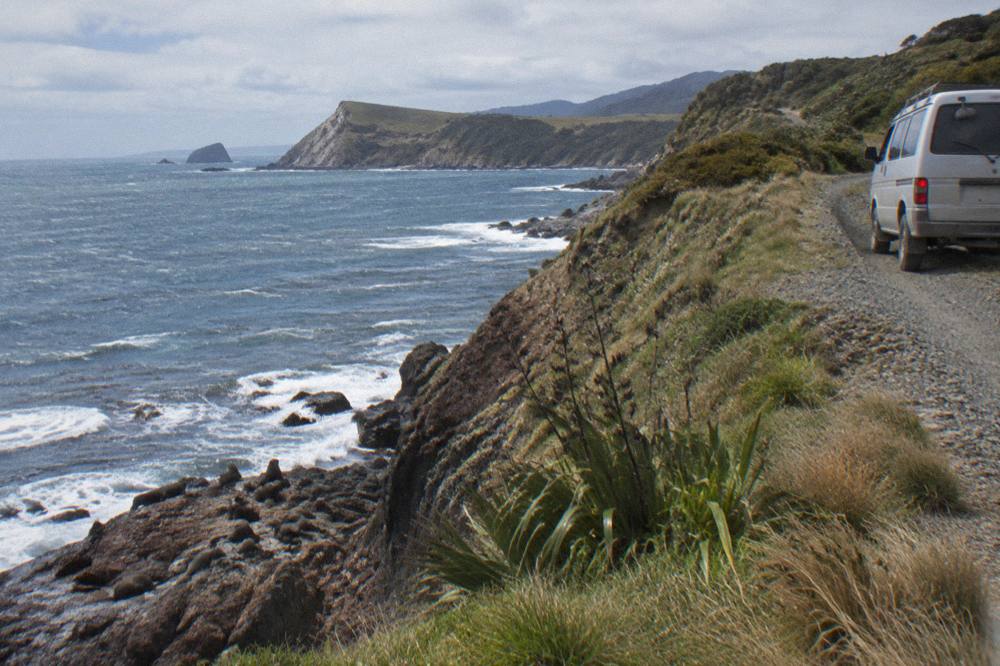
No formal rule requires a 4WD for Cape Palliser, but the final stretch of the coast road is unsealed, uneven and narrow, and ordinary cars do complete it carefully in good conditions while the state of the surface after weather is the real variable, which is one more reason the council road alerts matter. The contrast with Wellington's Red Rocks walkway is instructive: there the council flatly says the unsealed route is unsuitable for 2WD, and the gate is closed to vehicles on Sundays altogether, open only to walkers and mountain bikers. The Cape Palliser road is a public road rather than a reserve track, so the judgment falls to you and the conditions.
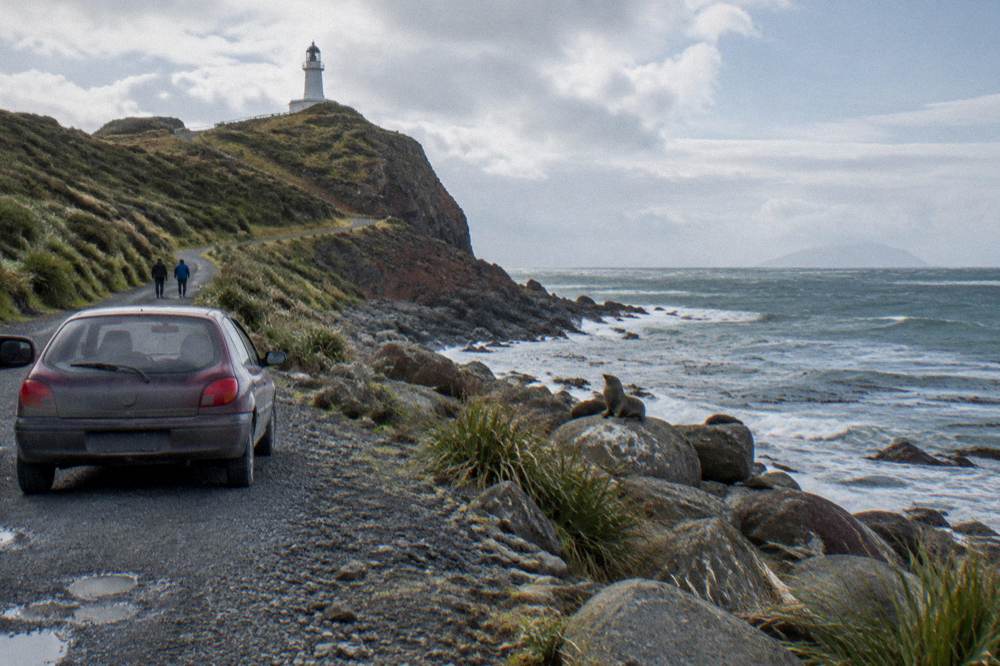
Practical driving advice for the coast section: take it slowly, keep well left on blind corners, expect walkers and parked vehicles near the seal colony, and be ready to reverse to a passing place, of which there are some but not many. Watch for loose gravel on corners, and do not park so close to the shore that you box in other drivers or sit within the 50 metre vehicle distance from any seal where you can avoid it. If you are towing a caravan or driving a low-clearance vehicle, think twice about the final kilometres and consider walking a section instead.
If any of that sounds like a reason to let someone else drive, the two Wairarapa tours handle it in different ways. The Martinborough Winery and South Wairarapa Wild Coast Tour travels by van, and the operator notes that guests must climb in unassisted via steps and grab rails, so mobility matters there too. The Scenic Full Day South Wairarapa tour is private, in the operator's own vehicle, with lunch included, from $359.48 per person, rated 5.0 across 28 reviews, with hotel or port pickup in Wellington. Both include the Cape Palliser Lighthouse and seal colony, and both offer a full refund if cancelled at least 24 hours before the start.
How Does The Cape Palliser Drive Compare With A Seal Coast Safari?
A Cape Palliser day is the long, full-day commitment, from $219 per person for the Martinborough trip and up to $359.48 for the private scenic tour, while the Wellington Seal Coast Safari covers a wild seal coast in three and a half hours from $111.80 per person, rated 4.9 across 371 reviews, a fundamentally shorter and cheaper way to answer the same itch. The two coasts are different animals: Cape Palliser is a Wairarapa expedition, the Seal Coast Safari a half day on Wellington's own back doorstep.
| Trip | Price from | Duration | Pickup | Rating | What the itinerary names |
|---|---|---|---|---|---|
| Martinborough Winery, 10-Hour Day Trip | $219.00 per person | 10 hours | Wellington hotel pickup | 4.8 across 24 reviews | Kaitoke Regional Park, Ngawi seal colony, Cape Palliser Lighthouse |
| Scenic Full Day, Meal Included | $359.48 per person | Not stated | Wellington hotel or port pickup | 5.0 across 28 reviews | Parliament, Kaitoke, Remutaka Hill, Martinborough wineries, Cape Palliser Lighthouse and seal colony |
| Exclusive Access Seal Coast Safari | $111.80 per person | 3 hours 30 minutes | Wellington hotel or cruise ship pickup | 4.9 across 371 reviews | Otari-Wilton's Bush, Terawhiti Station private farmland, Cape Terawhiti |
| Wanderlust Half Day Seal Safari | $110.00 per person | 3 hours 30 minutes | Wellington central pickup or cruise terminal | 4.9 across 342 reviews | Cape Terawhiti coast via the Seal Coast Safari route |
The choice usually comes down to time and appetite. If you have one day in Wellington and seals are the goal, the Seal Coast Safari gets you onto a working seal coast via private farmland at Terawhiti Station in a 4WD Mercedes, with hotel or cruise ship pickup, in under four hours door to door. Its cancellation terms read a full refund up to 24 hours before the start, and the operator says the experience requires good weather, with a different date or a full refund offered if it is cancelled for poor conditions. If you have a full day and want wine, hill country, a lighthouse and a colony in one loop, the Cape Palliser trips earn their longer day. For a closer look at prices, driving conditions and the seal watching rules that apply along that longer loop, the guide to the Cape Palliser lighthouse and seal colony day tour covers the details.
The Wanderlust twin of the Seal Coast Safari deserves one honest note: it is the same operator's trip at $110 per person, 4.9 across 342 reviews, and its weather wording differs, the safari runs in all weather with routes that may change and bookings movable to another day with 24 hours notice. Neither version of the safari promises a seal sighting; both put you on a coast where seals are the wildlife the itinerary is named for. The deeper comparison, including what to wear and when to go, sits in the Wellington seal safari tours compared guide.
When Is The Self-Drive Worth It Versus A Tour?
Self-drive suits travellers with a full day, a comfortable car, a willingness to check road alerts and a desire to set their own pace through the Wairarapa, while a guided tour suits anyone who wants the wine country, the coast and the lighthouse stitched into one itinerary with lunch handled, no gravel-road judgment calls and a fixed from-price of $219 per person. Neither is the wrong answer, and the deciding factors are usually time in Wellington and how much of the day you want to spend behind a wheel.
Count the hidden costs of driving honestly. A rental car for the day, fuel over the Remutaka Hill and back, lunch in Martinborough and dinner somewhere on the route will often land within reach of the tour's price once you add it up, and the tour includes a tapas or vineyard lunch and dinner at Lake Ferry Hotel or the Royal Hotel in its fare. What self-drive buys instead is freedom: an extra hour at a winery, a stop for photographs on the hill, or a slow pass along the colony at your own pace. What it costs is certainty, since the road, the parking and the timing all become your problem.
Weather is the last factor, and the south Wairarapa coast shares its mood with Wellington's: windy, and quick to change. The Martinborough trip's booking page does not mention weather terms, so ask the operator when booking if a stormy forecast is on the cards. The Scenic Full Day runs only in good weather and offers a different date or a full refund if it is cancelled for poor weather. The Seal Coast Safari states its weather terms plainly, as above. For readers planning the wider region, Wellington Seal Safari keeps a full set of south coast and Wairarapa guides, including the Wellington to Martinborough tour with seals rundown.
Common Questions About Driving To Cape Palliser Lighthouse
Can You Drive To Cape Palliser Lighthouse?
Yes, a public road reaches the lighthouse, but the final coastal stretch is unsealed, narrow and slow, and its status changes after weather events. Check the South Wairarapa District Council road alerts on the day you travel before committing to the drive.
Do You Need A 4WD For Cape Palliser Road?
No rule requires one, and ordinary cars do the drive carefully in good conditions. The surface is unsealed and uneven in stretches, so the deciding factors are the current road status, the weather and your comfort on narrow gravel roads.
Can You Go Inside The Cape Palliser Lighthouse?
No. There is no public access inside the tower. The visit is the climb, 258 steps built in 1912 up the cliff to the tower base, and the views over the coast and the seal colony from there.
Are There Seals At Cape Palliser?
Yes, New Zealand fur seals, kekeno, live along this coast, and DOC's preliminary count recorded at least 1,000 pups here in the 2025/26 breeding season. Stay at least 20 metres from seals onshore, never come between a seal and the sea, and never touch one.
How Long Does The Trip From Wellington Take?
Plan a full day. The Martinborough Winery and South Wairarapa Wild Coast Tour runs 10 hours including the Remutaka crossing, winery stops, the Ngawi seal colony and the lighthouse, and a self-drive day with similar stops works out much the same.
Is A Tour Cheaper Than Driving Yourself?
Often it is close. The trip is from $219 per person with hotel pickup, lunch and dinner included, while add up your own costs for a rental car, fuel and any lunches before comparing.